
Introduction
The year 2025 was one of the most consequential in the Philippines in recent memory. The country faced powerful typhoons, earthquakes, social movements, political developments, economic challenges, and rapid digital transformation, while also celebrating achievements in sports and culture. These events tested the resilience of communities, showcased the nation’s creativity, and highlighted its strategic role in regional security and leadership. This blog examines the key events and themes that defined the Philippines in 2025.
Natural Disasters and Climate Challenges
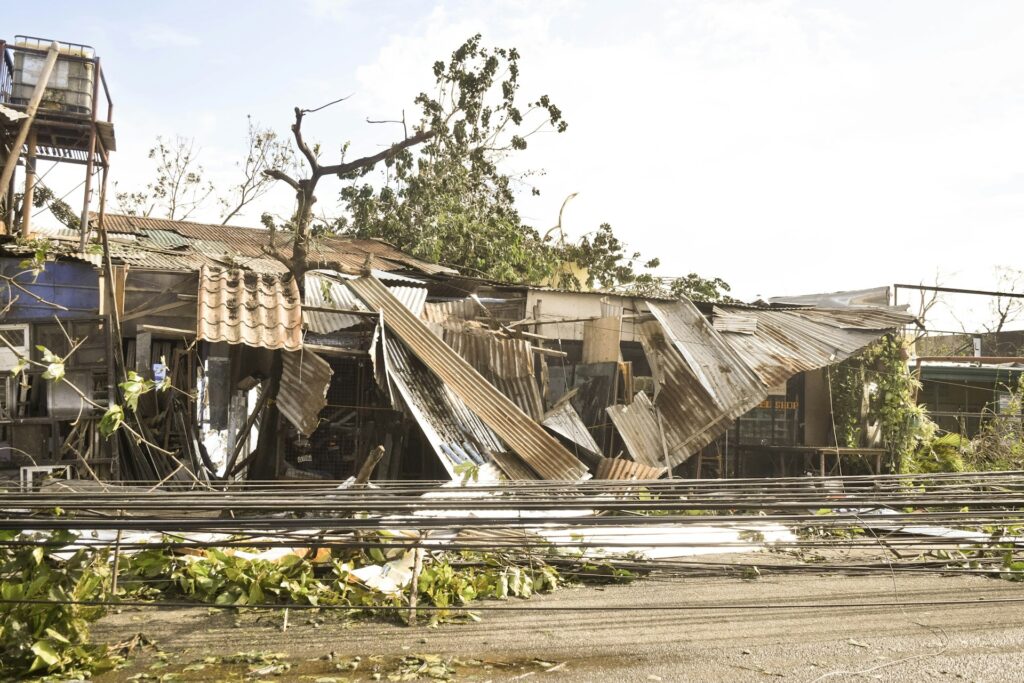
In 2025, the Philippines was struck by multiple extreme weather events that caused loss of life, displacement, and infrastructure damage. Super Typhoon Fung-wong hit in November, bringing flooding, landslides, and power outages across large parts of the country and displacing over a million residents. The typhoon caused at least eight fatalities and left nearly three million people without electricity. Fung-wong followed Typhoon Kalmaegi, which struck earlier in the year, worsening destruction as communities were already vulnerable. These events highlighted the need for long-term climate resilience and disaster preparedness.
In September, a magnitude 6.9 earthquake struck the Visayas region near Cebu, becoming the strongest quake ever recorded in northern Cebu and resulting in dozens of deaths and thousands of injuries. Homes and public infrastructure were heavily damaged. In October, Davao Oriental experienced a doublet earthquake with magnitudes of 7.4 and 6.7, causing additional casualties and widespread shaking. Monsoon rains earlier in the year also caused severe flooding in Luzon, including Metro Manila, Quezon City, and Marikina, forcing evacuations and disrupting it’s daily life.
Public Health Innovations and Awareness
Public health initiatives continued in 2025 with programs to improve health education, particularly for adolescents. Efforts focused on increasing awareness of nutrition, hygiene, and preventive care. Digital and game-based tools were used in classrooms to improve understanding and engagement in health topics. These programs highlighted the importance of technology in delivering public health education to young people.
Education and Classroom Innovation
The education sector also focused on innovation and technology integration. Teachers and administrators explored ways to use artificial intelligence in classrooms to enhance learning and prepare students for future workforce needs. School policies emphasized digital literacy, teacher training, and curriculum updates to accommodate emerging technologies.
Infrastructure Expansion and Public Services
Infrastructure development remained a priority. Projects included improvements to highways, bridges, airports, and public transit systems. Metro rail expansions and flood mitigation infrastructure were also key government initiatives. These programs aimed to improve mobility, reduce disaster vulnerability, and support long-term economic growth.
Energy, Environment, and Climate Initiatives
The Philippines continued to pursue renewable energy projects, including solar and wind power, to address energy needs and environmental sustainability. Programs also focused on reforestation, coastal protection, and urban flood management. Energy and environmental policies emphasized resilience to climate change and sustainable development.
Technology, Digital Banking, and Cybersecurity
The Philippines advanced in digital banking and fintech adoption. New digital banks and mobile financial services expanded access to banking and promoted financial inclusion. Cybersecurity efforts increased in response to rising online threats, disinformation campaigns, and cybercrime. Government agencies and private companies invested in secure digital infrastructure.
Crime Enforcement and Cybercrime Crackdowns
Law enforcement agencies conducted high-profile operations to combat cybercrime, online gambling, and illegal activities. Notable arrests included individuals linked to major cybercrime operations in urban centers. These efforts highlighted the challenges of policing a rapidly digitizing society and emphasized the need for stronger regulations and enforcement.
Anti-Corruption Protests and Social Movements
Widespread protests emerged in response to alleged misuse of public funds in infrastructure and flood control projects. Demonstrations drew tens of thousands of citizens, including students, civil society groups, and religious organizations. Protesters demanded transparency, accountability, and better governance. The movement demonstrated the public’s growing engagement with democratic processes and anti-corruption advocacy.
International Diplomacy and ASEAN Leadership
The Philippines prepared to assume the ASEAN chairmanship in 2026. In 2025, government officials focused on regional cooperation, including climate action, security, trade, and digital transformation. Diplomatic initiatives reinforced the country’s role as a leader in regional policy and economic collaboration.
Economic Growth and Emerging Sectors
Despite natural disasters and political challenges, the Philippine economy showed resilience. Growth remained positive in the first and second quarters, supported by trade, manufacturing, and financial services. The IT-BPM sector continued to expand, employing nearly two million people and contributing significantly to GDP. Analysts noted that investment in infrastructure, logistics, and technology would help sustain long-term economic stability.
Agriculture and Food Security
Agriculture faced pressures from typhoons and flooding. Crop damage and supply chain disruptions led to localized food shortages and price fluctuations. Government programs supported farmers with subsidies, recovery aid, and agricultural innovations. Fisheries and livestock sectors also received attention to ensure consistent supply and prevent food insecurity.
Telecommunications Reform and Digital Connectivity
The government enacted reforms to open the telecommunications market to new players, improve internet access, and reduce service costs. Expansion of broadband and mobile connectivity aimed to bridge urban and rural digital divides. These measures facilitated education, business, government services, and disaster communication.
Security and Defense
The Philippines strengthened defense partnerships with allies, including the United States and Australia. Joint exercises focused on maritime operations and coastal defense. Additional defense systems and advanced naval vessels were introduced to improve national security capabilities. Officials emphasized that these measures were defensive and intended to maintain stability in disputed maritime regions.
Sports Achievements
The country sent a large delegation to the 33rd Southeast Asian Games, achieving strong results across multiple sports disciplines. Filipino athletes excelled in boxing, volleyball, tennis, and swimming. Professional golfer Miguel Tabuena won the International Series Philippines tournament, demonstrating skill and resilience. These accomplishments fostered national pride and highlighted the dedication of athletes.
Global Filipino Music and Cultural Influence
Filipino artists achieved international recognition in 2025. The pop group BINI completed a world tour, selling out venues and introducing Filipino music to global audiences. Local music festivals, award shows, and film events showcased the diversity of Filipino talent. Cultural performances blended traditional and modern influences, strengthening national identity and soft power.
Tourism, Festivals, and Cultural Events
Tourism initiatives included visa-free entry for visitors from key countries, boosting international arrivals. Major festivals such as Sinulog, Panagbenga, and Ati-Atihan continued to attract tourists and celebrate regional culture. Film premieres, museum exhibits, and culinary events emphasized the richness of Filipino heritage and contemporary creativity.
Social Resilience and Community Response
Communities demonstrated remarkable resilience in response to disasters and crises. Volunteers, local governments, and organizations coordinated relief, provided shelter, and distributed food and medicine. International aid supported recovery and preparedness. Communities rebuilt homes, schools, and livelihoods, highlighting the Filipino spirit of cooperation, solidarity, and adaptability.
Science and Research Achievements
Scientific and technological research progressed in areas including agriculture, health, space, and digital innovation. The Philippine Space Agency continued projects in satellite deployment and space monitoring. Research institutions focused on sustainable development, disaster risk reduction, and public health improvements. These efforts strengthened national knowledge capacity and innovation.
Conclusion
The Philippines in 2025 experienced a year of contrasts, marked by adversity and achievement. Natural disasters tested resilience, but communities responded with courage and solidarity. Economic growth persisted, supported by key sectors such as IT-BPM, infrastructure, and agriculture. Political engagement and protests highlighted public demand for transparency and accountability. Defense partnerships and diplomacy enhanced security and regional influence. Sports, culture, and music provided national pride and international recognition. Health, education, and digital initiatives laid the foundation for future development.
Overall, 2025 showcased the Philippines’ ability to adapt, innovate, and celebrate achievements, offering lessons in resilience, governance, and cultural identity. The experiences of this year reflect the strengths, challenges, and aspirations of a nation moving forward with confidence.
Subscribe to our newsletter and get weekly updates on our blogs!