Introduction
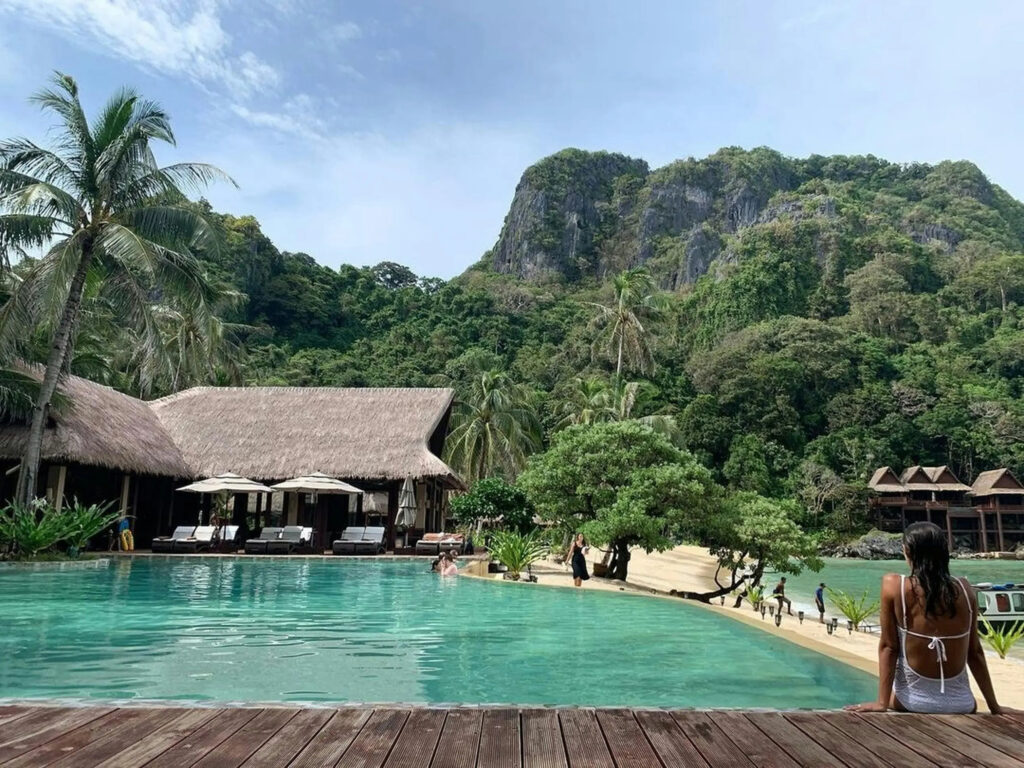
Kalanggaman Island, an uninhabited stretch of paradise off the coast of Palompon, Leyte, has become one of the Philippines’ most photographed natural attractions. Its long, photogenic sandbar extending into turquoise waters has made it a favorite for travelers seeking pristine scenery and quiet seascapes. Yet, what sets Kalanggaman apart from other tourist spots is not only its beauty but also its commitment to eco-tourism and sustainability. Managed by the local government unit (LGU) of Palompon, the island operates under strict visitor limits and conservation rules to ensure that this fragile ecosystem survives for future generations.
The Sandbar that Draws the World
The sandbar of Kalanggaman Island is its defining feature. Fine white sand stretches out into shallow seas, creating a breathtaking natural walkway surrounded by clear waters. Visitors often describe it as walking on a ribbon of sand in the middle of the ocean. The fun fact that Kalanggaman is uninhabited and has a population of 0 makes it even more appealing to those who want to disconnect from busy city life and immerse themselves in untouched nature.
However, this same beauty is also fragile. Strong tides and overuse can damage the sandbar and nearby marine life. This is why the island’s managers have put sustainability at the heart of its tourism model.
Responsible Management by the Palompon LGU
The Palompon LGU took control of Kalanggaman’s management to prevent overdevelopment and environmental degradation. Unlike other islands that were leased to private operators, Kalanggaman remains under public stewardship. The LGU enforces strict visitor caps, limiting the number of tourists allowed per day. This reduces overcrowding, prevents stress on the natural environment, and ensures a more serene visitor experience.
Local caretakers monitor activities on the island, assist with tourist needs, and educate visitors about responsible behavior. Income from entrance fees and boat rentals is reinvested into the island’s maintenance, including the hiring of staff, preservation projects, and safety measures.
Conservation Efforts and Waste Management
One of the biggest threats to small islands is waste left behind by visitors. Kalanggaman enforces a “take your trash with you” policy, requiring guests to bring back all non-biodegradable waste to the mainland. This keeps the island free from piles of garbage and prevents plastic from reaching the sea.
Facilities on the island remain minimal-basic comfort rooms, open huts, and a few cottages-because overbuilding would harm the natural environment. There is no electricity, running water, or permanent housing, which helps limit human impact. Visitors are encouraged to use reusable containers, avoid single-use plastics, and respect designated swimming and picnic areas.
The LGU also works with environmental groups to monitor marine life and coral reefs around the island. Snorkeling and diving activities are regulated to minimize damage to coral beds, which serve as nurseries for fish and protect the coastline.
Tourism with Community Benefits
Eco-tourism on Kalanggaman does not only focus on protecting the environment but also supports the livelihood of local communities in Palompon. The boatmen, guides, and small vendors who facilitate trips benefit directly from tourism income. Instead of profits going to outside investors, the system ensures that residents see the rewards of protecting their environment.
This approach fosters community pride. Locals become active stewards of the island, teaching visitors about its history, natural features, and the importance of conservation. For many, Kalanggaman represents a shared responsibility between the government and its people.
Visitor Experience and What to Expect
A trip to Kalanggaman offers a balance of enjoyment and mindfulness. Visitors can:
- Swim and snorkel in crystal-clear waters
- Relax on the sandbar during low tide for iconic photos
- Picnic under palm trees in rented cottages or bring their own mats
- Camp overnight with tents for a back-to-nature experience
Because the island is off-grid, travelers are advised to bring sufficient water, food, and sun protection. Cellular signal is limited, which adds to the digital detox atmosphere.
How to Get There & Around
- From Tacloban City: Travel by van or bus to Palompon (3–4 hours).
- From Ormoc: Vans and buses reach Palompon in about 2 hours.
- From Cebu (via Malapascua): Some tours include Kalanggaman in island-hopping packages, combining it with snorkeling and diving stops.
At Palompon’s municipal tourism office, visitors pay entrance fees and arrange boat transfers. The ride to the island takes about one hour, depending on sea conditions.
Best Time to Visit & Weather
The ideal months to visit are December to May, when seas are calm and skies are mostly clear. Daytime temperatures average 28°C to 32°C, making it perfect for beach activities. During the rainy season (June to October), rough seas and storm warnings may lead to canceled trips. Checking the weather and confirming bookings with the tourism office is highly recommended.
Travel Tips for Sustainable Visits
To fully embrace eco-tourism on Kalanggaman Island:
- Bring your own snorkeling gear to avoid renting plastic-based equipment.
- Use reef-safe sunscreen to protect marine life.
- Avoid standing on or touching corals while swimming.
- Limit drone use, as the noise may disturb birds and other wildlife.
- Always follow the rules set by boat operators and caretakers.
These practices not only preserve the island but also enrich the experience for every visitor.
Conclusion
Kalanggaman Island is more than just a picture-perfect sandbar. It is a model of how eco-tourism and community-led management can protect a destination while allowing people to enjoy it. By enforcing visitor limits, practicing waste management, and involving local communities, the Palompon LGU has ensured that Kalanggaman remains pristine despite its growing popularity.
For travelers, a trip to Kalanggaman is both a chance to enjoy stunning natural beauty and a reminder of the responsibility that comes with visiting fragile ecosystems. Respect the rules, tread lightly, and you will be rewarded with an unforgettable experience on one of the Philippines’ most unique islands.
Subscribe to our newsletter and get weekly updates on our blogs!