Metro Manila is a bustling region where millions of people move daily for work, school, and family obligations. For newcomers, the idea of navigating its crowded routes can seem daunting. Yet with the right knowledge, commuting in the capital can become manageable and even efficient. This guide is crafted as a starter kit for commuters-expats settling in, returning Filipinos reacquainting themselves with the city, and first-time workers or students beginning their routine.
The focus is practical: routes, payment cards, safety, and handling rush-hour timing. By understanding these elements, commuters can minimize stress and maximize time in one of Asia’s most dynamic urban centers.
Understanding the Routes
Metro Manila offers a patchwork of transport options. Each comes with its own rhythm, advantages, and limitations.
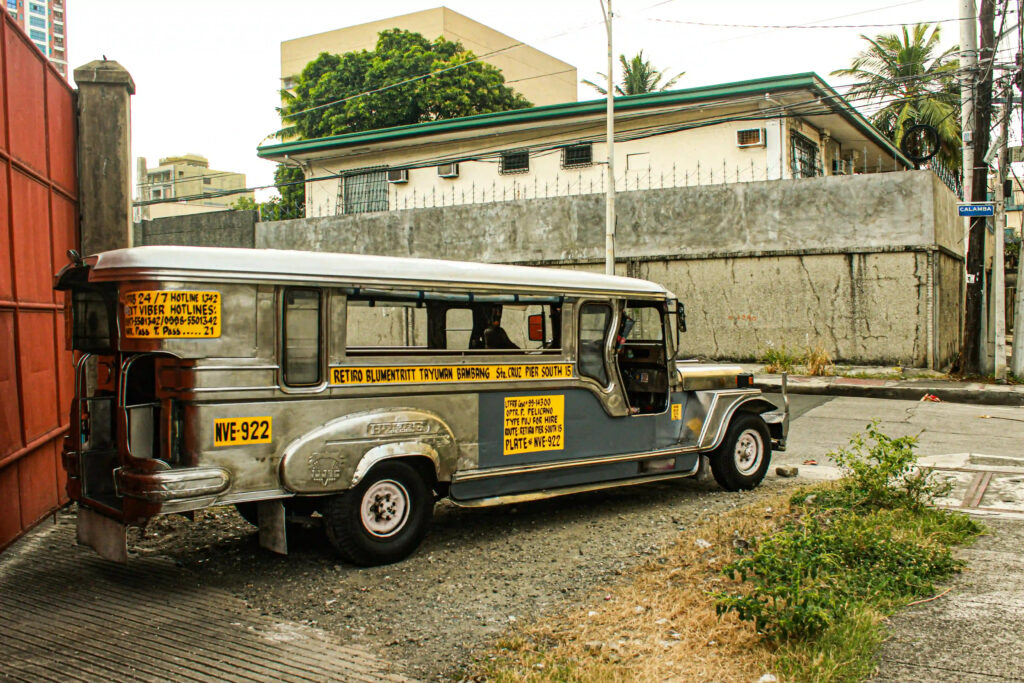
- Jeepneys: The most recognizable and affordable option. They follow fixed routes, marked on their sides. Payment is made directly to the driver.
- Buses: Ideal for longer stretches and major thoroughfares. Routes cover EDSA and other key arteries.
- Trains: Metro Rail Transit (MRT) and Light Rail Transit (LRT) lines cut through high-traffic areas, making them faster than road-based transport at peak times.
- UV Express vans: Shared vans operating on semi-fixed routes, offering faster travel but with less predictability in departure times.
- Tricycles and pedicabs: Common for short last-mile trips within barangays or local neighborhoods.
The combination of these modes creates a system that requires some trial and error. New commuters should begin by mapping common destinations and learning which mix of routes best fits their needs.
Cards and Payment Basics
Electronic payment systems have grown in use but coexist with traditional cash-based transactions.
- Stored-value cards: Train systems often rely on reloadable cards that can be topped up at stations. These reduce queueing time and allow for smoother transfers.
- Cash: Jeepneys, tricycles, and many buses still require cash. Exact change is appreciated, and passing the fare forward is a norm among passengers.
- E-wallet links: Some modern services experiment with digital wallet payments.
For daily commuters, having both a stored-value card and small cash denominations on hand prevents delays and confusion.
Safety and Security Practices
Crowded transport hubs and vehicles require vigilance. Safety is not only about accidents but also about personal belongings.
- Keep valuables secure: Bags should be worn in front in crowded areas. Wallets and phones are best kept out of sight.
- Avoid risky hours: Late-night travel in certain areas may pose safety concerns .
- Choose visible stops: Waiting in well-lit, busy areas reduces the chance of petty theft.
- Respectful behavior: Courteous interactions with drivers and co-passengers help avoid conflict in tight spaces.
Preparedness, rather than fear, is the best strategy for safer commuting.
Rush-Hour Timing
Timing is the single biggest factor shaping commuter experience in Metro Manila.
- Morning rush: 6:00 AM to 9:00 AM sees the heaviest flow of workers and students. Leaving earlier or later can save significant time.
- Evening rush: 5:00 PM to 8:00 PM is equally congested, with queues at stations and bus stops stretching long.
- Midday and late evening: Travel between 10:00 AM and 4:00 PM is generally smoother.
Understanding these rhythms allows commuters to adjust schedules. Flexibility, when possible, is the ultimate tool against stress.
Costs, Tools & Step-by-Step
Commuting is not only about knowing the routes but also managing costs and creating habits.
Typical Costs:
- Jeepneys: Affordable fares, usually within ₱10–15.
- Train rides: Slightly higher, but faster during congestion.
- Buses: Mid-range depending on distance.
Step-by-Step Starter Plan
- Identify your main destinations: Home, work, school, and recurring errands.
- Test multiple routes: Try both bus-train combinations and direct jeepneys to compare time and cost.
- Secure a stored-value card: This simplifies train use.
- Carry change: Always keep coins and small bills.
- Map rush-hour windows: Plan departures at least 30 minutes earlier to anticipate queues.
- Set safety routines: Decide how you will carry your bag and phone daily.
- Review weekly: Adjust routes as you gain experience.
Practical Tips for Newcomers
- Carry water, especially during hot months when waiting outdoors can be exhausting.
- Learn common Filipino phrases for commuting such as “para” (stop).
- Use apps or station maps when available, but expect patchy information in some routes .
- Practice patience; delays and congestion are part of the landscape.
Conclusion: Commuting as a Skill
Navigating Metro Manila as a commuter is not merely about reaching a destination. It is about mastering timing, observing etiquette, and finding the routes that best suit individual needs. With a starter kit mindset-routes mapped, cards ready, safety in mind, and rush-hour patterns understood-commuting transforms from a source of stress into a manageable routine.
For expats, returning Filipinos, and first-time city workers alike, the path to confidence begins with small adjustments and consistency. Over time, these habits build resilience in one of Southeast Asia’s most dynamic urban environments.
Subscribe to our newsletter and get weekly updates on our blogs!