Introduction
Nestled on the northern coast of Bohol, the municipality of Talibon may not be as widely known as Tagbilaran or Panglao, but it offers something equally rewarding: a gateway to pristine, lesser-visited islands. With a population of about 71,272, Talibon is a vibrant fishing town and commercial hub. Its proximity to small island communities such as Jao, Guindacpan, and Hambongan makes it an ideal base for island-hopping adventures. These islands provide unspoiled beaches, clear waters, and glimpses into a way of life that has remained closely tied to the sea.
Visiting Talibon also means engaging with local Boholano traditions, exploring marine biodiversity, and supporting communities that balance livelihood with environmental care. For travelers seeking off-the-beaten-path experiences, Talibon’s island-hopping tours are a hidden treasure worth uncovering.
The Allure of Talibon and Its Coastal Heritage
Talibon is historically tied to fishing and maritime culture. For centuries, its people have relied on the sea not only for food but also for trade and cultural exchange. Unlike more developed tourist areas of Bohol, Talibon remains relatively quiet, which allows for authentic interaction with locals and a slower pace of exploration.
The fun fact about Bohol-that it is home to the Chocolate Hills and the Philippine tarsier-often overshadows Talibon’s coastal riches. Yet these islands near Talibon serve as a reminder that Bohol’s natural wonders extend far beyond its inland attractions. Island-hopping here offers both recreation and cultural immersion, making it a valuable complement to more popular destinations.
Jao Island: Small but Scenic
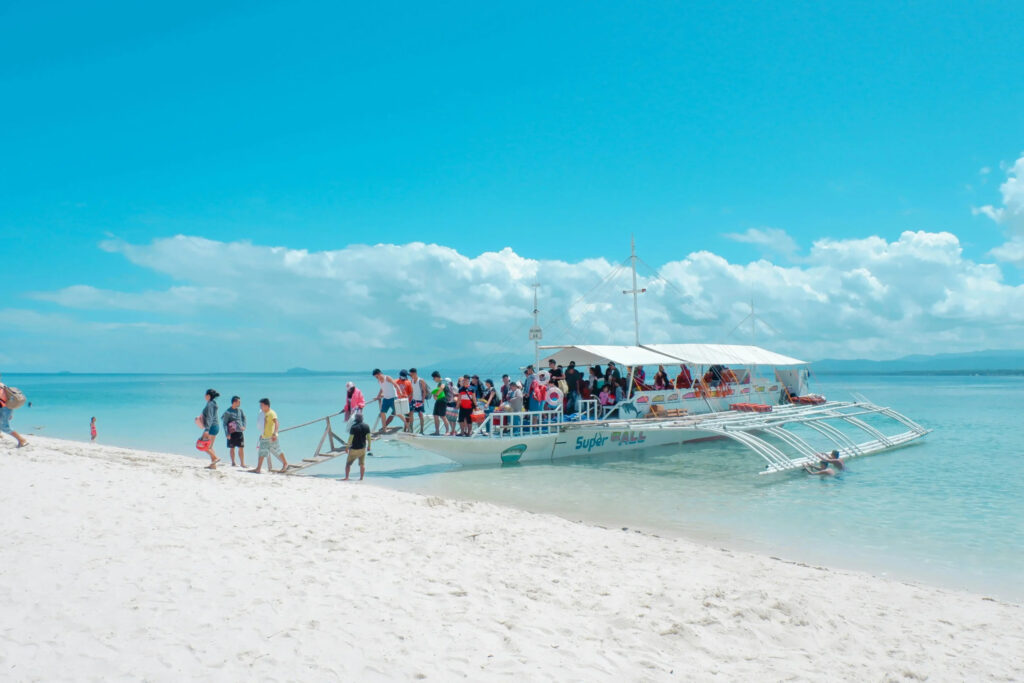
Jao Island is often the first stop in Talibon’s island-hopping circuit. Just a short banca (outrigger boat) ride away, Jao is known for its fine white sand, mangroves, and shallow coastal waters. The beaches here are peaceful, with clear turquoise seas that invite both relaxation and snorkeling.
Snorkelers may find small coral gardens with schools of fish weaving in and out of the reefs. Local residents often welcome visitors, offering fresh seafood meals or guiding them around the island. The simplicity of Jao highlights the essence of rural island life, where hospitality and the sea define the rhythm of daily living.
Guindacpan Island: Fishing Villages and Community Spirit
Guindacpan Island is larger and more populated, with fishing villages spread across its coast. It is not a typical resort-style stop but a place to observe and experience local life. Visitors can see children playing by the shore, fishermen mending nets, and women preparing dried fish or weaving mats.
The island’s charm lies in its community spirit. Guests who are curious and respectful will likely be invited to share meals or join in conversations about the sea and livelihood. For travelers interested in culture as much as scenery, Guindacpan provides an authentic encounter with Boholano coastal traditions.
Snorkeling is also possible here, though it is best to ask local guides about safe and interesting spots. Supporting small businesses, such as buying dried fish or handicrafts, directly helps the residents who maintain the island’s character.
Hambongan Island: Beaches and Tranquility
Hambongan Island is often considered the highlight of Talibon’s island-hopping trips. Known for its powdery white sand beaches and crystal-clear waters, Hambongan is perfect for swimming, snorkeling, or simply relaxing under the shade of coconut palms.
The underwater scenery around Hambongan is richer than in some of the smaller islands, with colorful corals and marine life visible close to shore. Many visitors bring picnic lunches and spend a full day here, enjoying the combination of beach leisure and quiet seclusion.
Compared to Panglao’s bustling beaches, Hambongan offers a sense of exclusivity without high costs. Boatmen from Talibon typically charge reasonable rates for day trips, making it an affordable yet memorable adventure.
Practical Tips for Island-Hopping
- Hiring a Boat: Local boat operators in Talibon’s port area offer island-hopping packages. Prices depend on group size and distance but generally range from ₱2,000–₱3,500 for a day trip that covers multiple islands.
- Bring Essentials: Sunscreen, hats, and plenty of drinking water are necessary, as many of the islands have limited facilities.
- Food Options: Some tours include fresh seafood meals cooked by locals. Alternatively, visitors can bring their own packed lunches and enjoy them picnic-style on the islands.
- Responsible Travel: Dispose of trash properly, avoid touching corals when snorkeling, and respect local customs. Simple gestures like greeting residents in Cebuano with “Maayong buntag” (Good morning) go a long way.
How to Get There & Around
- From Tagbilaran City: Talibon is about 100 kilometers away. Buses and vans bound for Talibon leave from Tagbilaran’s integrated bus terminal, with travel times averaging 3 to 4 hours. Fare is around ₱150–₱200.
- From Cebu City: Travelers can take a ferry to Tubigon, Bohol (1.5 hours), then a bus or van to Talibon (about 2 hours).
- Getting Around Talibon: Tricycles are the most common local transport within the town. To reach the port and arrange island-hopping tours, most visitors simply walk or take a short tricycle ride.
Best Time to Visit & Weather
The dry season from December to May is the best period for island-hopping, as seas are calmer and skies are clearer. Average daytime temperatures range from 27°C to 32°C, with plenty of sunshine.
Travelers should avoid scheduling trips during strong monsoon months (June to September), when waters may become rough. Always check weather conditions with locals before departure to ensure safety.
Conclusion
Island-hopping from Talibon to Jao, Guindacpan, and Hambongan is an experience that combines natural beauty with cultural depth. It offers pristine beaches, snorkeling opportunities, and a closer look at the everyday lives of island communities. Unlike heavily commercialized destinations, Talibon’s island-hopping feels personal and authentic, reminding visitors that Bohol’s treasures are as diverse as they are plentiful.
For travelers seeking to move beyond the well-worn paths of Panglao or Loboc, Talibon provides a refreshing escape into the sea, where unspoiled nature and warm people await.
Subscribe to our newsletter and get weekly updates on our blogs!