Introduction to Larena
Larena, a town on the northern coast of Siquijor Island, serves as one of the province’s busiest hubs. With a population of around 14,454, it is smaller than many Philippine towns, yet its role is significant. Larena is a gateway for commerce, education, and transport, linking the island to nearby destinations like Dumaguete and Cebu. While Siquijor is often remembered for its mystical associations as the “Island of Witches,” Larena highlights a different story-one rooted in heritage, community faith, and landmarks that stand as witnesses to history.
Exploring Larena’s historic churches and landmarks allows travelers to understand how faith, culture, and colonial influences shaped the community. These sites are not just attractions, but vital parts of the town’s living identity.
Faith and Community Heritage
In Larena, as in much of the Philippines, Catholicism plays a central role in daily life. Churches are more than places of worship-they are spaces for community gatherings, festivals, and rites of passage. The churches of Larena, while not as monumental as those in Lazi or Siquijor town, hold deep meaning for residents. They reflect the faith that has been passed from generation to generation, anchoring the community in a shared sense of belonging.
Fiestas and processions tied to these churches bring locals together and create opportunities for visitors to witness faith in action. Attending such events reveals how heritage is not static but continually practiced and renewed.
Key Churches and Religious Sites
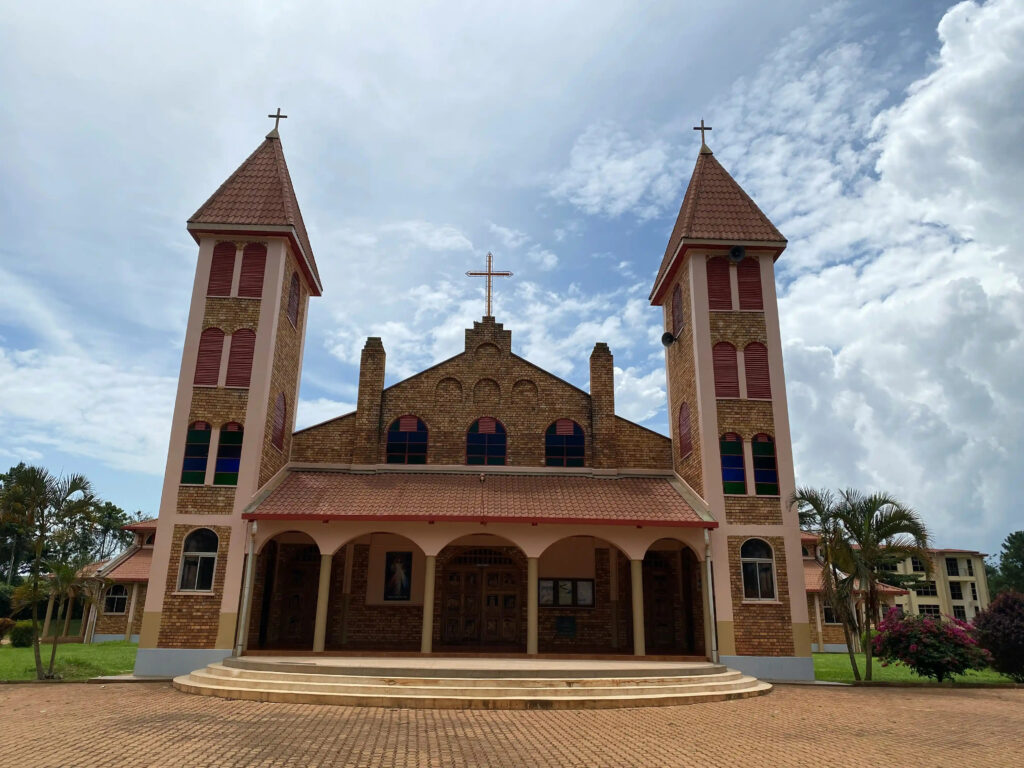
The main church in Larena serves as the spiritual center of the town. While not as grand as San Isidro Labrador Church in Lazi, it is no less important to residents. Its coral stone walls and modest yet sturdy design reveal the influence of Spanish-era architecture. Inside, religious icons and images provide insight into local devotion.
Religious sites in Larena are not limited to its parish church. Small roadside chapels and crosses mark different parts of the town, serving as daily reminders of faith. These shrines, maintained by families or barangays, add to the spiritual landscape of Larena and highlight the community’s close-knit character.
Civic Landmarks and Heritage Structures
Beyond churches, Larena has other landmarks that speak to its role in Siquijor’s history. As a trading and educational center, the town hosts the province’s main campus of Siquijor State College, which has educated generations of island residents. While not as old as Spanish-era churches, this institution is part of Larena’s modern heritage, representing the town’s importance in education and progress.
The Larena port is another landmark of both historical and practical value. As the primary entry point for many travelers, it connects the town to Dumaguete, Cebu, and Bohol. The port is not only a transport hub but also a witness to centuries of trade and movement. For visitors arriving by sea, it is often their first introduction to Siquijor’s charm.
Everyday Heritage and Local Culture
Heritage in Larena is not limited to buildings. It is found in the town’s traditions, food, and marketplaces. The Larena Public Market is an essential stop for those who want to see everyday life. Vendors sell fresh seafood, fruits, and local delicacies that reflect the island’s bounty. Dishes like kinilaw (marinated raw fish) and budbud (sticky rice wrapped in banana leaves) carry cultural significance and remain staples of family celebrations.
During festivals, the streets come alive with parades, music, and dancing. Visitors can experience the warmth of the community and observe how faith-based traditions extend into cultural expression.
How to Get There & Around
Larena is accessible by ferry, with regular routes from Dumaguete and Cebu. The ferry ride from Dumaguete takes about an hour, while trips from Cebu typically last 4–5 hours. Upon arrival, tricycles and habal-habal (motorcycle taxis) are the main forms of local transport. For more independence, visitors can rent scooters for ₱350–₱500 per day, a practical option for exploring not only Larena but also neighboring towns.
Within Larena, the main church, port, market, and civic landmarks are located close to one another, making walking a feasible way to experience the town’s heritage.
Best Time to Visit & Weather
The best time to visit Larena is during the dry season, from November to May, when the weather is most suitable for exploring. Average temperatures range from 25°C to 32°C. Religious fiestas and town celebrations often occur in the summer months, providing opportunities for cultural immersion. The rainy season, from June to October, may affect travel schedules, particularly ferry crossings, so visitors should plan accordingly.
Costs and Practical Tips
- Accommodation: Larena offers a few budget guesthouses, but many travelers prefer to stay in San Juan or Siquijor town. Prices range from ₱600 to ₱1,500 per night.
- Food: Meals at local eateries cost around ₱50–₱100, while restaurants near the port or town center may charge slightly higher.
- Transportation: Tricycle rides within town are usually ₱20–₱30, while trips to nearby towns may cost ₱200–₱300.
Visitors should dress modestly when entering churches and behave respectfully during Mass or religious events. Supporting local vendors, guides, and small businesses helps ensure that tourism benefits the community directly.
Responsible Travel
Larena’s churches and landmarks are not only historical sites but living spaces of worship and community. Travelers should avoid disruptive behavior, refrain from littering, and be mindful when taking photos inside religious areas. Participating in local traditions respectfully fosters genuine cultural exchange.
Conclusion
Larena’s historic churches and landmarks may not always appear in glossy brochures, yet they form the backbone of the town’s identity. They reflect the faith, heritage, and resilience of a community that has balanced tradition with modern roles as a hub for trade and education. For travelers, exploring Larena offers a chance to connect with the quieter but equally meaningful side of Siquijor’s story.
Visiting these sites is not only about history but about experiencing how faith and heritage continue to guide the daily lives of the people.
Subscribe to our newsletter and get weekly updates on our blogs!