Introduction to Naujan
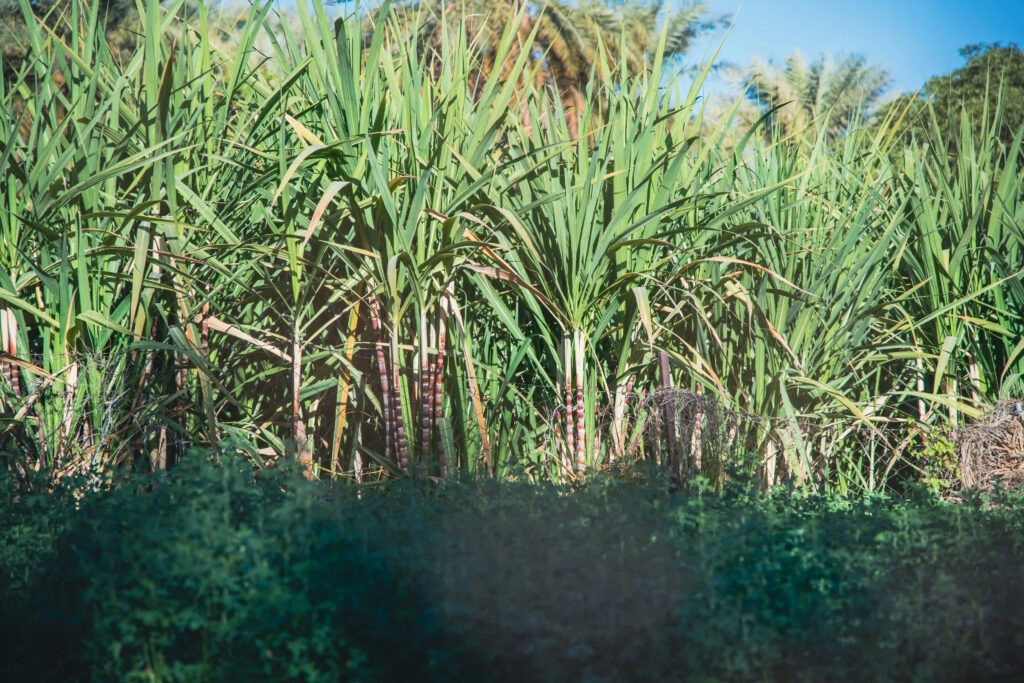
Naujan, a municipality in Oriental Mindoro with a population of about 109,122 people, is one of the largest towns on the island. Unlike bustling cities, Naujan is defined by its vast rice fields, coconut plantations, and farming communities that keep traditional livelihoods alive. The town has built its identity on agriculture and eco-farming, where the connection between people and land remains strong. For travelers who want to see the Philippines beyond its beaches and dive sites, Naujan offers a genuine picture of rural life.
Mindoro is also globally recognized as the home of Apo Reef, the world’s second-largest contiguous coral reef system after the Great Barrier Reef. While the reef highlights the island’s marine wealth, Naujan showcases the equally important agricultural side that sustains communities and complements the natural ecosystem.
The Agricultural Backbone of Naujan
Rice farming dominates Naujan’s landscape. The town is often described as a rice bowl of Oriental Mindoro, with expansive paddies that stretch across its plains. Planting and harvest seasons define the rhythm of life, with families working side by side in the fields. Traditional practices, such as transplanting rice seedlings by hand, remain common, although modern techniques are also being introduced to improve yield.
Coconut plantations are another cornerstone of the local economy. The tall palms that dot Naujan’s landscape provide coconuts for fresh consumption, copra for oil production, and materials for household items. Coconut-based products often appear in local markets and serve as an important source of both food and income.
Farming in Naujan is not only about production. It is about preserving traditions and fostering a culture of cooperation. Shared labor, community planting days, and reciprocal exchanges of produce strengthen ties among neighbors. These practices reveal how eco-farming supports both the economy and the social fabric of the town.
Eco-Farming and Sustainable Practices
Eco-farming is gaining importance in Naujan as communities recognize the need to balance productivity with sustainability. Organic fertilizers, crop rotation, and reduced use of chemicals are increasingly adopted by local farmers. These practices not only protect the soil but also help preserve the health of nearby rivers and lakes.
The presence of Naujan Lake National Park, one of the largest freshwater lakes in the Philippines, makes sustainable farming even more vital. Farmers in the area understand that their agricultural practices affect water quality, fish habitats, and biodiversity. By pursuing eco-friendly methods, they help ensure that both the land and waterways remain productive for future generations.
Travelers who visit Naujan can often observe eco-farming initiatives, whether in small family-run farms or larger community projects. While organized tours may be limited, casual visits and conversations with farmers can provide valuable insight into how eco-farming is shaping rural life.
Cultural and Social Life in a Farming Town
Agriculture in Naujan shapes not only the economy but also culture and tradition. Festivals and community gatherings often align with the agricultural calendar. Harvest celebrations, thanksgiving masses, and town fiestas reflect gratitude for the land’s abundance.
Markets are central to Naujan’s daily life. Early morning stalls are filled with rice, coconuts, fresh fruits, vegetables, and dried fish. For visitors, markets offer a colorful and lively glimpse into how farming sustains the community. Eating in carinderias (local eateries) is also a way to taste agricultural products transformed into traditional dishes such as coconut-based stews, rice cakes, and seasonal fruit desserts.
Naujan’s cultural identity is also tied to the resilience of its people. Farming requires hard work and adaptation to weather patterns. This resilience is reflected in everyday conversations, traditions, and the strong family values that continue to anchor the town.
Experiences for Travelers
For those who want to explore Naujan, the experience is less about grand landmarks and more about immersion in rural life. Walking through rice fields, visiting coconut plantations, or observing fishing communities near Naujan Lake provides authentic encounters.
Nature lovers can combine agricultural visits with ecological exploration. Naujan Lake National Park is a protected area where migratory birds can be observed, and the connection between farming and the lake’s ecosystem is evident. Travelers can see how agriculture and nature coexist, providing livelihoods while supporting biodiversity.
How to Get There and Around
Reaching Naujan usually starts with a trip to Calapan City, the capital of Oriental Mindoro. From Manila, buses head to Batangas Port, where ferries cross to Calapan in about two hours. From Calapan, Naujan is accessible by van or jeepney, with a travel time of around one hour.
Within Naujan, tricycles are the most common means of transport for short distances. For exploring farms or reaching the lake, vans or jeepneys provide affordable options. Walking around local markets and barangays is easy and rewarding for those who wish to see daily life up close.
Best Time to Visit and Weather
Naujan has a tropical climate with average temperatures ranging between 25°C and 32°C. The dry season, from November to May, is the best time to visit for exploring rice fields, coconut plantations, and Naujan Lake. These months provide clear skies and safe travel conditions.
The rainy season, from June to October, brings heavy rains that are essential for farming but may limit outdoor exploration. For visitors interested in agricultural life, harvest season offers the most engaging opportunities, as fields come alive with activity and local celebrations.
Practical Tips and Responsible Travel
When visiting Naujan, respectful interaction with locals is essential. Asking permission before entering farms or taking photographs is polite, and modest clothing is recommended. Supporting local farmers by buying produce or crafts directly from markets helps strengthen the community economy.
Meals are inexpensive, with budget-friendly dishes available for under ₱100 at local eateries. Accommodations in Naujan are basic, with inns and homestays offering simple but comfortable stays. Mid-range options are available in nearby Calapan City for travelers seeking more amenities.
Travelers should also practice responsible tourism by minimizing waste and supporting eco-friendly initiatives. Choosing reusable containers, avoiding single-use plastics, and respecting protected areas contribute to both community well-being and environmental conservation.
Conclusion
Naujan in Oriental Mindoro is a town where rice fields, coconut plantations, and eco-farming define the landscape and community life. It provides a meaningful glimpse into how agriculture sustains both livelihoods and culture, while efforts in sustainable practices protect vital ecosystems such as Naujan Lake. For travelers seeking authenticity, Naujan offers not luxury but genuine experiences rooted in land, tradition, and resilience. Visiting Naujan is an invitation to discover the rural heartbeat of Mindoro and appreciate the balance between people, farming, and nature.
Subscribe to our newsletter and get weekly updates on our blogs!