Introduction
Valencia City, located in the province of Bukidnon on the island of Mindanao, is often referred to as the City of Golden Harvest. With a population of 216,546, it is not only the most populous city in Bukidnon but also the agricultural heart of the province. Nestled on fertile highlands with a cool climate and volcanic soil, Valencia has become a powerhouse for producing rice, corn, sugarcane, and other crops that sustain both local markets and national food supplies. While Mindanao is home to natural icons such as Mount Apo and the critically endangered Philippine eagle, Valencia stands out for a different reason: its ability to feed a nation and embody the richness of the land.
The Golden Harvest Identity
Valencia’s title as the City of Golden Harvest is not just symbolic. The city is surrounded by sprawling plains and plantations that dominate its landscape and economy. The golden hues of rice ready for harvest, the tall stalks of sugarcane, and the endless rows of cornfields reflect both the fertility of Bukidnon’s soil and the hardworking spirit of its people.
This agricultural abundance is central to the city’s identity. Farming is a way of life for many residents, with entire families engaged in planting, tending, and harvesting crops. Agricultural success has also shaped Valencia’s festivals, community pride, and economic progress, reinforcing its reputation as the beating heart of Bukidnon.
Agriculture and the Local Economy
Valencia plays a key role in the province’s agricultural production. Rice is one of its most important crops, with irrigation systems supporting vast fields that provide staple food not only to Bukidnon but also to nearby provinces. Corn, another major product, supports livestock feed industries, while sugarcane fuels mills and contributes to the city’s economy.
Beyond these staples, Valencia is also known for bananas, pineapples, coffee, and vegetables that thrive in its cooler climate. This diversity ensures that the city’s agricultural sector remains resilient and adaptable. Local cooperatives and markets provide platforms for farmers to sell their goods, while agribusiness companies contribute to large-scale production and processing.
Agriculture does not only sustain Valencia economically but also defines its social fabric. Many residents take pride in their connection to the land, viewing farming not just as livelihood but as heritage.
Festivals and Community Spirit
The city celebrates its agricultural identity through festivals that highlight the importance of farming and the richness of the harvest. While details may vary year to year, Valencia’s celebrations often include parades, cultural shows, and street dancing that feature crops and farming motifs.
These events are more than entertainment. They reinforce the community’s gratitude for the land’s bounty and the collective effort of farmers. Visitors who join these festivities witness how agriculture shapes not just Valencia’s economy but also its traditions, art, and everyday life.
Everyday Life and Local Markets
In Valencia, agriculture flows naturally into daily living. Public markets brim with fresh produce-from rice and corn to fruits and vegetables grown in surrounding farms. These markets are lively spaces where farmers and traders meet, and where visitors can sample local delicacies.
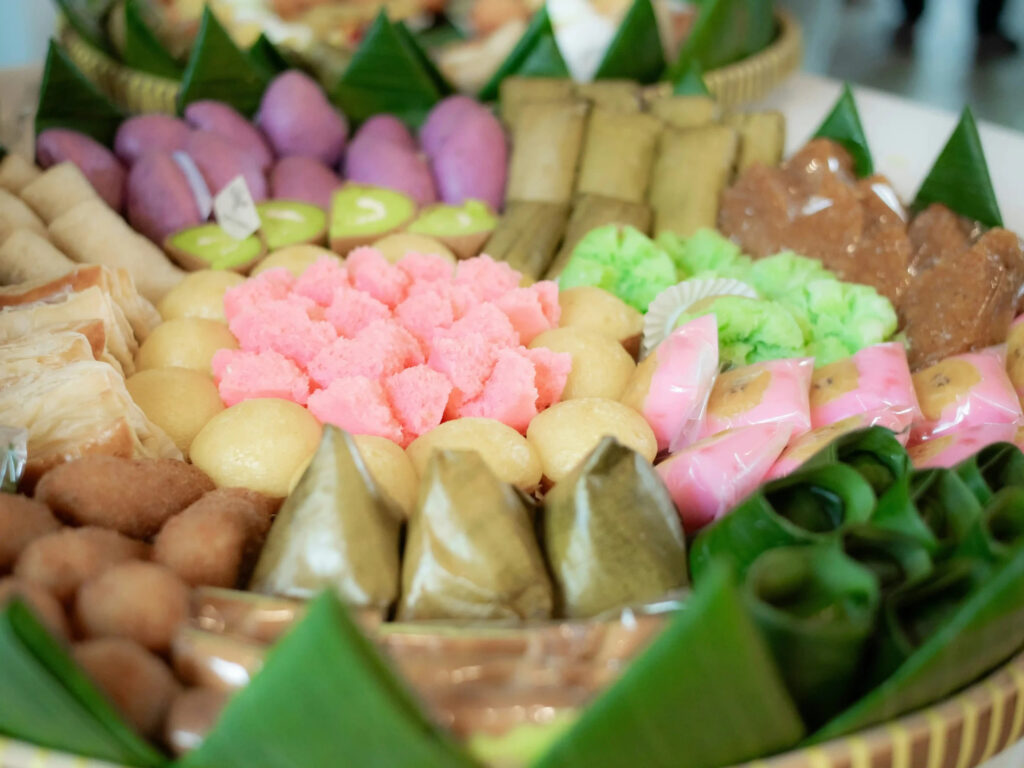
Food culture in the city is tied to the land. Simple meals often feature rice and corn alongside vegetables, meats, or fish, seasoned with traditional flavors. Local delicacies such as corn-based snacks or rice cakes wrapped in banana leaves reflect the city’s agricultural roots. For travelers, tasting these foods offers a direct connection to the harvests that define Valencia.
Attractions Around Valencia
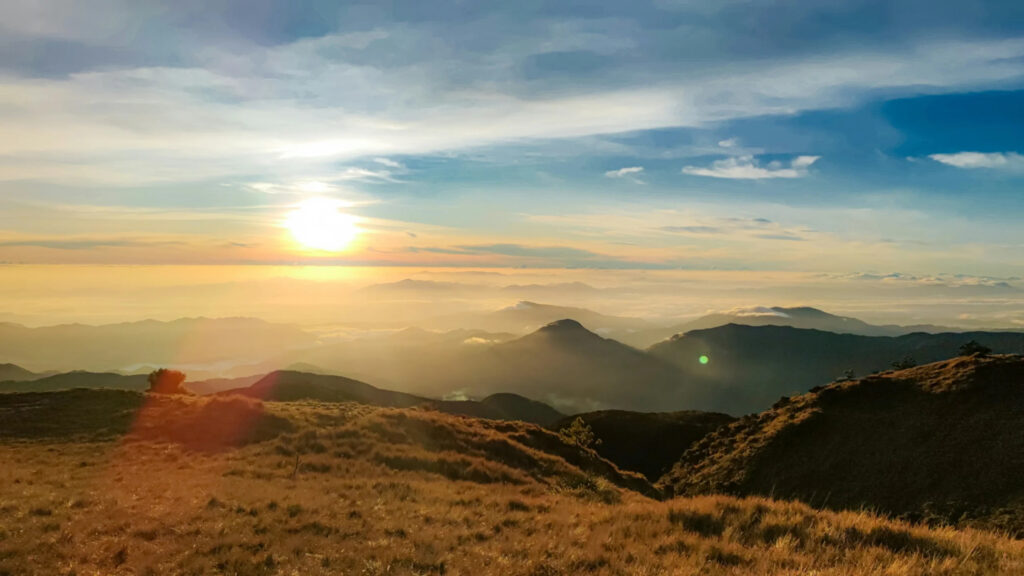
While agriculture is central, Valencia is also a gateway to natural and cultural attractions in Bukidnon. The highlands of Bukidnon are known for rolling landscapes, cool weather, and panoramic views of farms and mountains. Travelers passing through Valencia often use it as a base for exploring nearby sites such as Mount Kitanglad, mountain resorts, and eco-parks.
The rural scenery itself is an attraction. Driving or walking through Valencia’s countryside reveals endless green and golden fields, giving travelers a sense of peace and grounding. For those who want to understand the city deeply, visiting a local farm or joining in small-scale harvesting activities can be a memorable experience.
How to Get There & Around
Valencia is accessible by land from major cities in Mindanao. From Cagayan de Oro, the provincial capital, the drive takes around three to four hours by bus or private vehicle. From Davao City, it takes roughly five to six hours. Regular bus routes connect Valencia to neighboring cities, making it a well-linked hub in Bukidnon.
Within the city, tricycles and jeepneys provide affordable transportation. For travelers wishing to explore the countryside and plantations, hiring a private vehicle or arranging tours with local operators is more convenient.
Best Time to Visit & Weather
Valencia’s climate is cooler compared to lowland cities, with average temperatures ranging from 22–28°C. The best time to visit is during the dry season from December to May, when the fields are most accessible and festivals often take place.
Harvest seasons are especially rewarding times to visit, as markets overflow with fresh produce and the countryside comes alive with activity. Travelers during the rainy months of June to November should expect lush landscapes but also occasional downpours that may affect travel.
Responsible Travel in Valencia
As an agricultural hub, Valencia depends heavily on the health of its land and environment. Travelers can practice responsible tourism by minimizing waste, avoiding plastic, and supporting local farmers through direct purchases at markets. Respect for farming communities-such as seeking permission before entering fields or taking photos-ensures positive interactions.
By valuing both the land and the people, visitors contribute to sustainable tourism that uplifts the community while protecting the resources that make Valencia thrive.
Conclusion
Valencia City truly lives up to its title as the City of Golden Harvest. Its fertile soil, hardworking people, and agricultural abundance have made it the heart of Bukidnon and a vital contributor to Mindanao’s food supply. From rice and corn to sugarcane and beyond, Valencia’s fields tell the story of a community deeply tied to the land. For travelers, it offers not only a chance to witness productive landscapes but also to experience the spirit of gratitude, resilience, and hospitality that defines its people. A visit to Valencia is an invitation to celebrate the richness of the harvest and the culture it sustains.
Subscribe to our newsletter and get weekly updates on our blogs!