Introduction
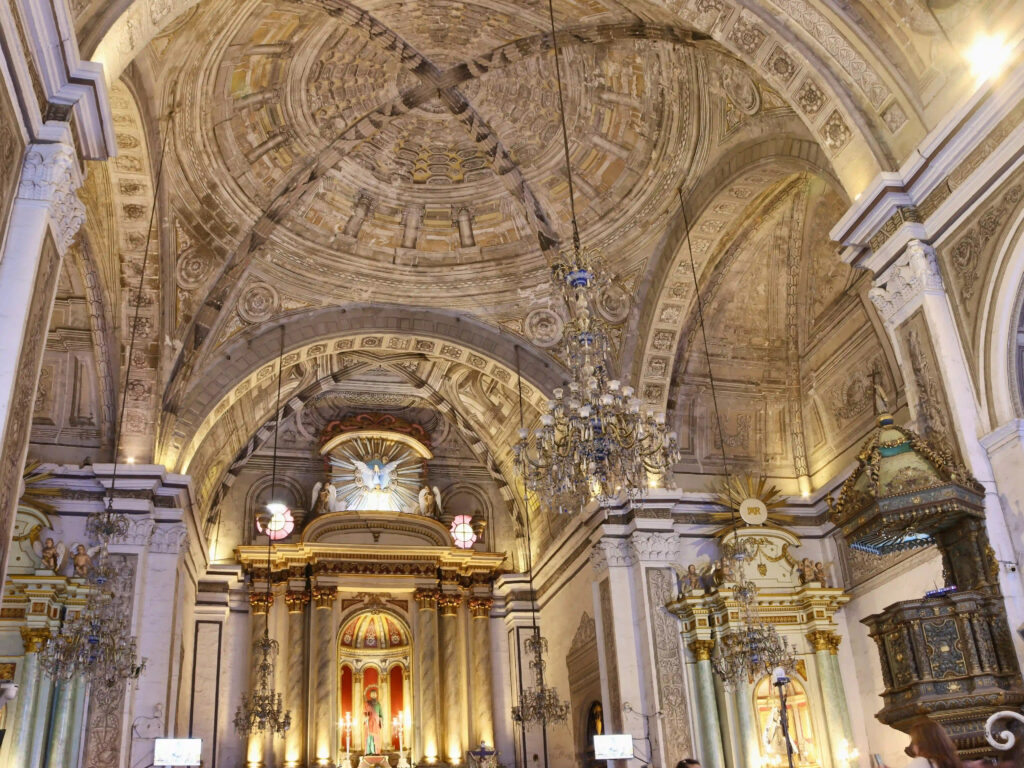
Pilar, a small town on the island of Siargao with a population of 10,374, is best known for its coastal beauty and fishing traditions. Yet beyond its mangroves and beaches lies another cornerstone of community life: the St. Joseph Parish Church. While Siargao has gained global recognition for surfing, Pilar stands out for its quiet devotion and strong faith that binds its people together. The parish church is more than just a place of worship. It is a gathering point, a symbol of resilience, and a reflection of the heritage that continues to shape Pilar’s identity.
The Role of Faith in Pilar’s Community
Catholicism has long been woven into the fabric of life in Pilar, as it is throughout much of the Philippines. The St. Joseph Parish Church serves as a focal point for religious practice, marking milestones in the lives of residents through baptisms, weddings, and community masses. Its presence offers stability in a town where daily life often depends on the sea, with fishing and farming shaping the rhythm of work.
Religious celebrations are not only spiritual but also cultural, with town fiestas honoring the parish’s patron saint, St. Joseph. These events are deeply rooted in tradition, blending faith with food, music, and a spirit of generosity that extends to both locals and visitors.
St. Joseph Parish Church as a Heritage Landmark
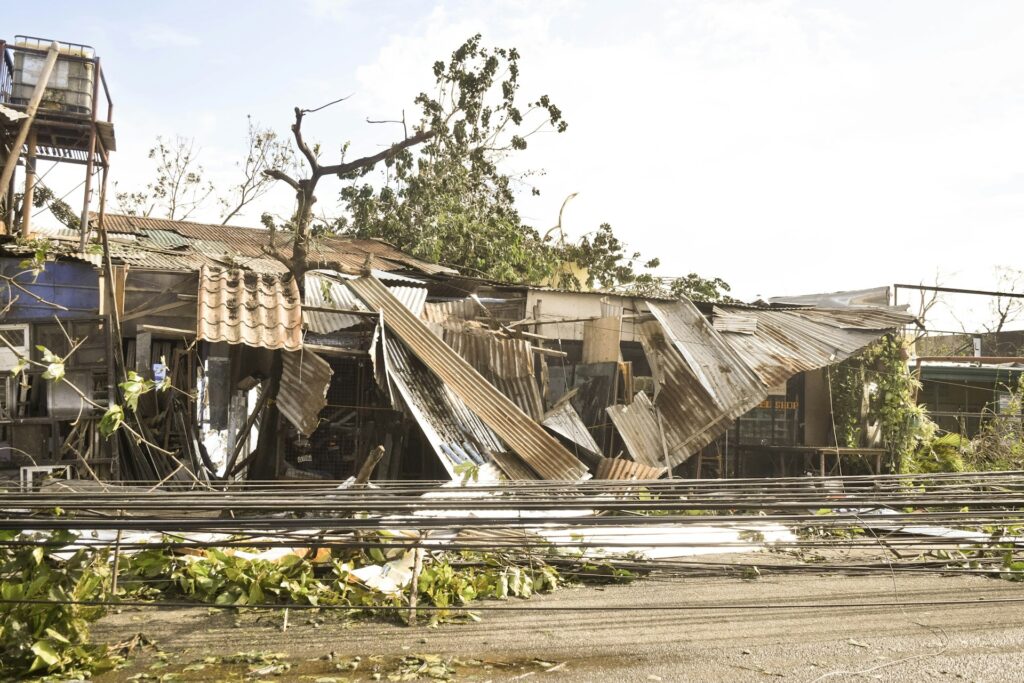
While Pilar may not have centuries-old stone churches like those found in larger Philippine cities, its parish church represents heritage in a different form. It reflects the resilience and devotion of a coastal community that has faced storms and changes but kept its faith at the center of life.
The church’s simple yet meaningful architecture, often with local design influences, emphasizes functionality and community use over grandeur. It is a reminder that heritage does not always mean elaborate monuments. Instead, it can be found in living traditions, collective memory, and the enduring importance of shared spaces.
Celebrations and Traditions
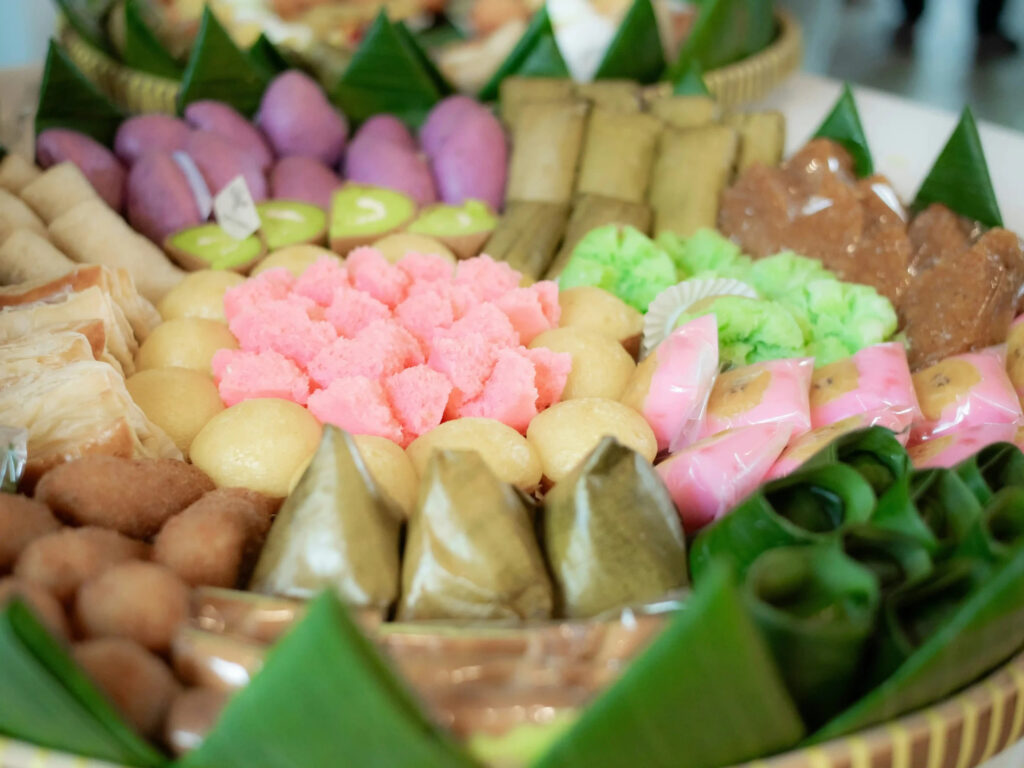
Every year, the parish celebrates its fiesta in honor of St. Joseph. During this time, Pilar transforms into a hub of activity, with streets filled with music, parades, and shared meals. Families prepare special dishes such as lechon (roast pig), kinilaw (vinegar-marinated raw fish), and rice delicacies made from coconut.
The fiesta is more than a religious observance. It also reinforces community bonds and showcases the warmth of Pilar’s hospitality. Visitors who arrive during these celebrations are often welcomed to join in the feasts, a tradition that underscores the town’s sense of unity and openness.
Attractions Around Pilar
While the parish church is the main cultural landmark in town, travelers often combine a visit with nearby eco-tourism attractions. Pilar is home to Mangrove forests, rivers, and fishing villages that allow visitors to experience Siargao beyond surfing. Coastal tours, often guided by locals, cost between ₱300–₱700 and support community livelihoods.
For those who want to balance spiritual reflection with adventure, Pilar offers both: quiet moments in the parish church and natural landscapes waiting just outside its town center.
How to Get There & Around
Pilar is located on the eastern side of Siargao and can be reached by van, tricycle, or motorbike from General Luna in about one hour. Motorbike rentals cost around ₱300–₱400 per day, while shared vans or tricycles are available for ₱150–₱300 depending on distance.
Once in town, the St. Joseph Parish Church is easy to access on foot, as it sits near Pilar’s small commercial and residential areas. Travelers visiting during fiesta season should plan ahead, as transportation and accommodations can be busier than usual.
Best Time to Visit & Weather
The ideal time to visit Pilar is during the dry season from December to May, when the weather is more stable and events such as fiestas are often celebrated. Average temperatures range from 27–32°C, with clear skies making travel comfortable. The rainy season, from June to November, brings heavier showers but also showcases the resilience of both the church and the community that gathers within it.
Responsible Travel and Respect
Visitors to the St. Joseph Parish Church are encouraged to observe respectful practices. Modest attire, quiet behavior during masses, and asking permission before taking photographs inside are all ways to show cultural sensitivity. Supporting local eateries and small shops around the town also ensures that tourism contributes positively to the community.
Conclusion
The St. Joseph Parish Church in Pilar may not appear in glossy travel magazines, but its importance cannot be overstated. It represents heritage, faith, and the resilience of a community that thrives on both the sea and its traditions. For travelers seeking to go beyond Siargao’s surf scene, a visit to Pilar offers a chance to connect with the cultural and spiritual life of the island.
In the pews of St. Joseph Parish Church and in the laughter of its fiesta celebrations, visitors will find the soul of Pilar: steadfast, welcoming, and deeply rooted in faith.
Subscribe to our newsletter and get weekly updates on our blogs!