Introduction
Torrijos, a quiet municipality on the eastern coast of Marinduque, has a population of 30,476 and is best known for its landscapes shaped by rice fields, coconut plantations, and small-town simplicity. Unlike the larger towns of the island, Torrijos offers visitors a slower pace of life, where agriculture drives the local economy and traditions remain deeply connected to the land. While Marinduque as a whole is celebrated for its heart-shaped geography and the colorful Moriones Festival during Holy Week, Torrijos highlights another essential side of island life: the rhythms of farming, family, and rural community.
A Farming Town at Heart
Agriculture is the lifeblood of Torrijos. Rice paddies stretch across the countryside, changing with the seasons from lush green to golden yellow at harvest time. For many families, rice farming provides both food and income, with farmers following age-old practices that continue to sustain local life.
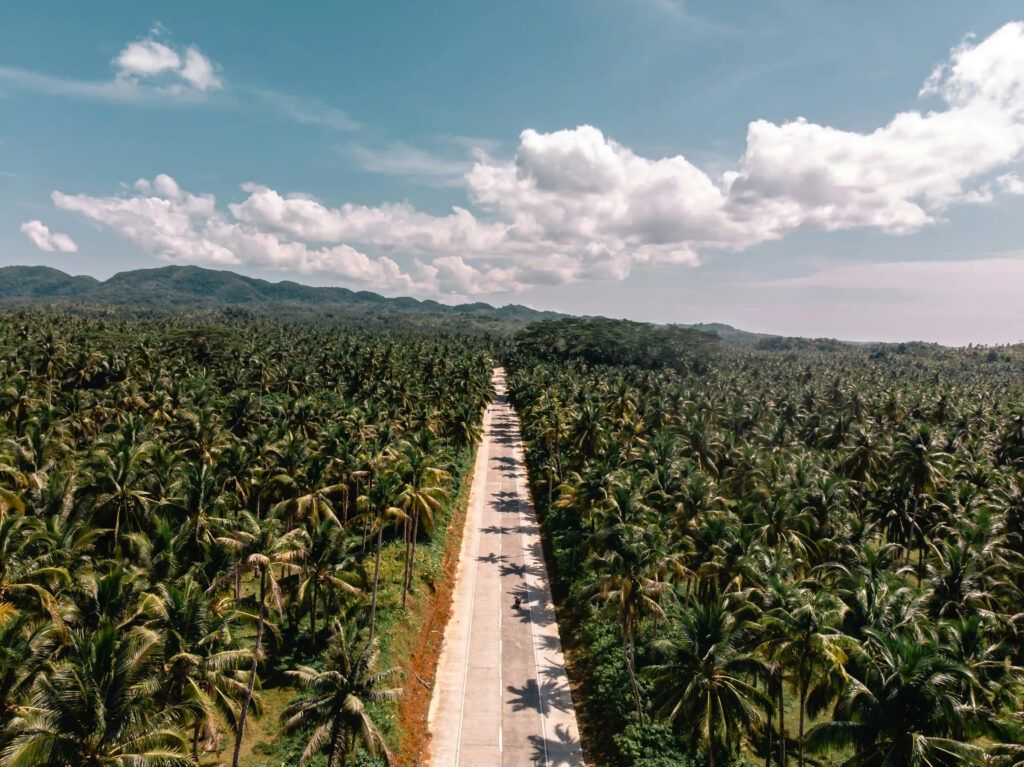
Coconut plantations are equally significant. Marinduque is one of the many provinces in the Philippines where coconut farming plays a vital role, and Torrijos contributes its share to this long-standing industry. Copra production, coconut oil processing, and the use of husks and shells for crafts or fuel reflect the versatility of this crop. The coconut tree, often called the “tree of life,” supports livelihoods and symbolizes resilience in rural areas like Torrijos.
The Character of Small-Town Living
Life in Torrijos is simple and centered on community. Mornings begin with farmers heading to the fields, while children prepare for school. Markets come alive with the day’s harvest, where neighbors trade vegetables, rice, and fish. The pace is unhurried, and connections between people remain strong. Families still gather for communal meals, fiestas, and church activities, weaving together the social fabric of the town.
Visitors who spend time in Torrijos quickly notice how closely life is tied to the natural cycle of planting and harvest. Seasonal changes shape not only the economy but also cultural practices and daily routines. This deep bond between land and livelihood creates an authenticity that appeals to travelers seeking more than just tourist attractions.
Agricultural Landscapes and Natural Beauty
Beyond being sources of livelihood, the rice fields and coconut groves of Torrijos create striking scenery. Travelers riding through the countryside by tricycle or motorbike are treated to endless green expanses, punctuated by water buffalo grazing or farmers working with hand tools. During harvest, the fields glow gold under the tropical sun, offering views that feel timeless.
Coconut plantations also offer opportunities for visitors to learn about local farming. Farmers may demonstrate how coconuts are harvested by climbing tall palms, or how copra is dried in the sun. These experiences provide insight into the hard work and resourcefulness that sustain rural families.
Nearby, the coastline adds another layer of beauty. While Torrijos is less tourist-heavy than other Marinduque towns, its mix of agricultural and coastal landscapes makes it uniquely appealing for those who wish to balance relaxation with cultural immersion.
Food, Markets, and Traditions
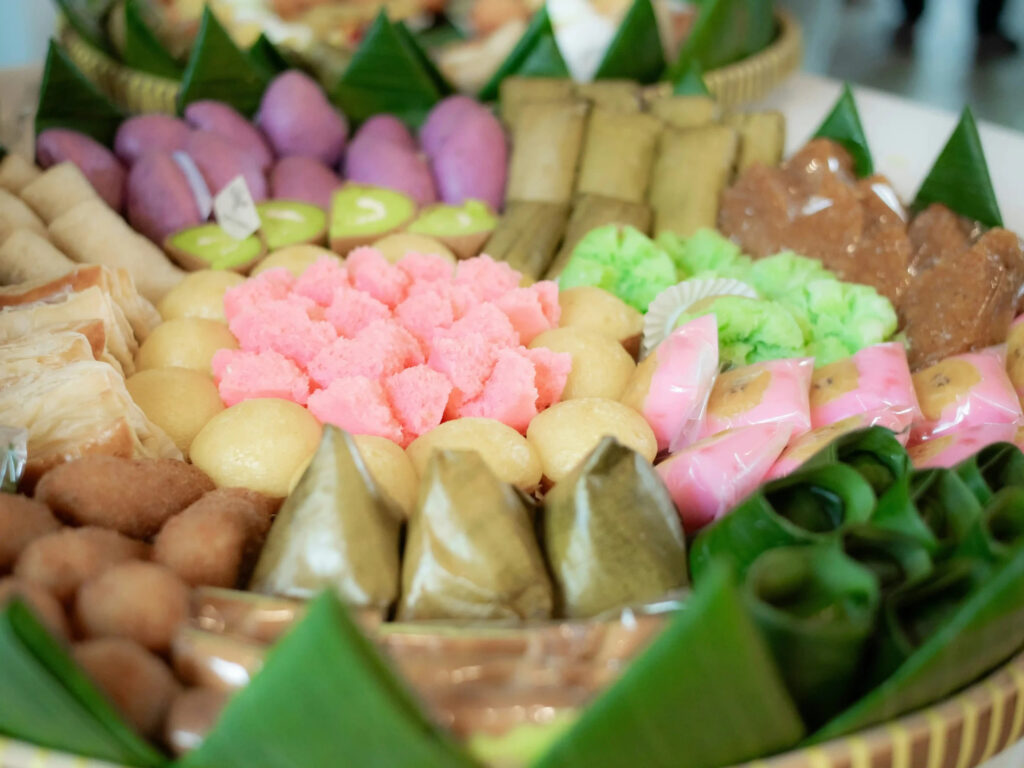
The influence of agriculture is clear in local cuisine. Rice is the staple of every meal, paired with fish from the nearby sea or vegetables grown in backyard gardens. Coconut milk enriches many dishes, from savory stews to sweet kakanin (rice cakes). Markets in Torrijos highlight these ingredients, with stalls full of fresh produce, dried fish, and homemade delicacies.
Traditional celebrations often center around harvests and religious events. Fiestas bring together neighbors with shared meals, music, and dancing. Visitors who happen to join these events will experience genuine hospitality, with families often inviting outsiders to share in their food and festivities.
How to Get There & Around
Torrijos is accessible by land and sea. From Manila, travelers typically take a bus to Lucena in Quezon Province, then board a ferry to Marinduque. Once on the island, jeepneys and vans connect to Torrijos, located on the eastern coast. The journey requires patience, but the reward is an immersion into authentic rural life far from crowded tourist centers.
Within Torrijos, tricycles are the main form of transport. For those wishing to explore more independently, renting a motorbike from larger towns in Marinduque is a practical choice. This allows travelers to roam freely through rice paddies, plantations, and quiet barangays.
Best Time to Visit & Weather
The dry season, from December to May, is the best time to visit Torrijos. The weather during these months ranges from 27–32°C, making it pleasant for outdoor travel and exploration. Visitors during harvest months can witness fields at their most vibrant, while Holy Week in March or April brings Marinduque’s island-wide Moriones Festival, adding a cultural dimension to the visit.
Rainy months, from June to November, are less ideal for travel but reveal another side of Torrijos. The land turns lush and green, and farming families adapt their routines to the season’s demands. Travelers who prefer fewer crowds may find this period appealing, though they should be prepared for heavy rains.
Responsible Travel in Rural Communities
Torrijos is a working town, and respectful travel is essential. Visitors should support local farmers by buying directly from markets, avoid disrupting agricultural work, and treat communities with sensitivity. Reducing waste, particularly plastic, is important in farming areas where disposal options are limited. Travelers should also remember that photography in fields or villages should always be done with permission, as these are private and personal spaces.
Conclusion
Torrijos represents the quiet, agricultural soul of Marinduque. With its rice fields, coconut plantations, and small-town atmosphere, it offers visitors a chance to see a way of life shaped by the land. The town may not have the spectacle of a major festival or the crowds of a tourist hotspot, but its authenticity and warmth are its greatest strengths. For those who want to experience the rural heart of the Philippines, Torrijos is a destination worth exploring, one that invites travelers to slow down, observe, and connect with the rhythm of the land.
Subscribe to our newsletter and get weekly updates on our blogs!