Introduction to Nueva Valencia
Nueva Valencia is one of the most vibrant towns on Guimaras Island, with a population of 42,771. Known for its strong connection to both the sea and the land, the town is shaped by the daily lives of fishing families, farming communities, and the cultural traditions that unite them. The fun fact that Guimaras produces some of the sweetest mangoes in the world, so exclusive that their export is restricted, sets the tone for understanding how deeply agriculture influences both the economy and the celebrations here.
Festivals in Nueva Valencia are more than just entertainment. They are living traditions that highlight the resilience, creativity, and pride of the people. Through music, food, and community rituals, visitors can see how both coastal and farming cultures blend to form the town’s unique identity.
The Role of Festivals in Community Life
For residents, festivals are an opportunity to pause from work and celebrate together. Fishing families and farmers often join forces to prepare feasts, decorate streets, and take part in parades. These celebrations are rooted in gratitude for the land and sea, which sustain livelihoods throughout the year.
Nueva Valencia, like the rest of Guimaras, embraces festivals as community-wide events where even small neighborhoods create programs, dances, and exhibitions. Local schools often participate, ensuring that traditions are passed on to younger generations. For visitors, attending a festival here provides a rare chance to witness a small-town community working together in joy and unity.
The Mango Connection
Guimaras is synonymous with mangoes, and Nueva Valencia is no exception. Mango farming is central to the town’s economy and culture. During mango season, the fruit appears in every celebration, from parades featuring mango-themed costumes to food stalls offering mango delicacies.
The broader island hosts the Manggahan Festival, a province-wide celebration of mangoes. While centered in the capital, Jordan, Nueva Valencia also participates by organizing local events that showcase mango-related crafts, dishes, and performances. Visitors during this period can expect to sample fresh mangoes, buy sweet preserves, and see how the community honors the crop that has made Guimaras globally recognized.
Coastal Traditions and Seaside Celebrations
Nueva Valencia’s coastal setting means that the sea also plays a central role in local festivals. Fishing communities often hold thanksgiving events to honor safe journeys and abundant catches. Boats are decorated with colorful flags and sails, while processions head toward the shoreline or out into the water.
One example of this is the fluvial parade, where boats carry images of saints or community leaders across the bay. Such processions blend religious devotion with maritime tradition, showing how faith and livelihood intersect in daily life. Street dancing that mimics fishing movements, and culinary fairs featuring seafood dishes, are also part of the cultural calendar.
Farming and Inland Culture
While fishing shapes coastal life, farming traditions are equally important inland. Families that cultivate rice, coconuts, and vegetables often contribute to festivals by preparing harvest displays or joining agricultural fairs. Traditional dances and folk songs sometimes incorporate imagery of planting and harvesting, keeping the rhythm of rural life visible in celebrations.
Nueva Valencia’s smaller barangay fiestas often feature carabao races, vegetable displays, and games that highlight farming culture. These are not staged for tourists but are genuine parts of local life, making them authentic experiences for those who happen to visit during these times.
Food, Music, and Community Gatherings
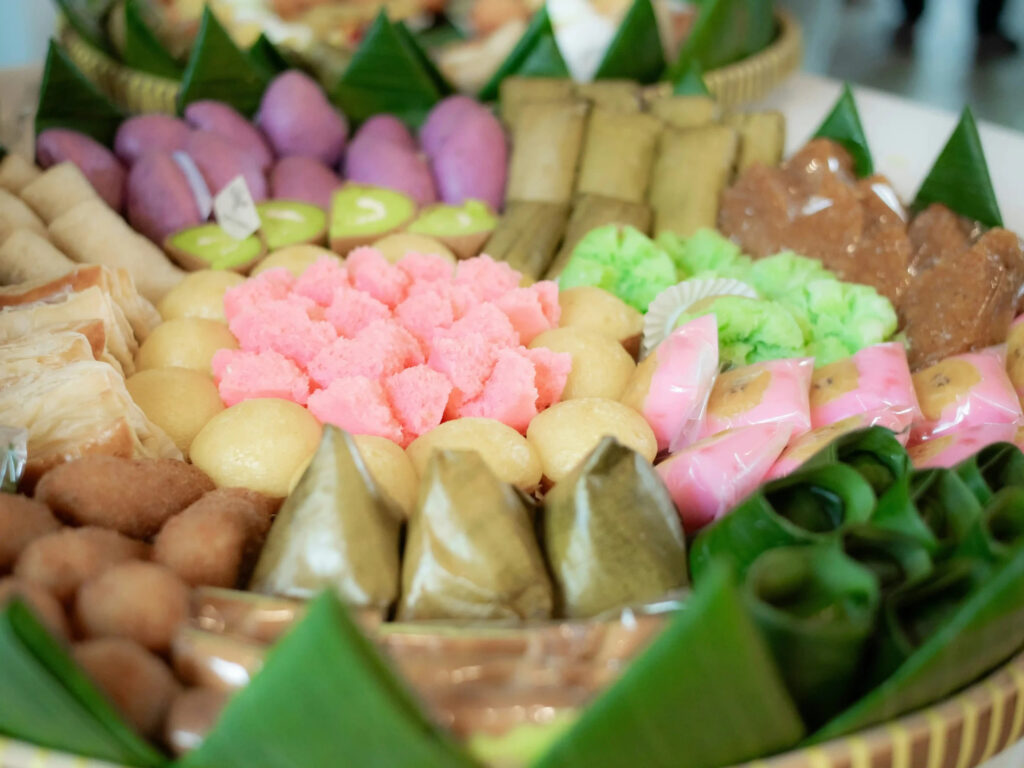
Food is always central to celebrations in Nueva Valencia. During festivals, long tables are filled with grilled fish, rice dishes, and mango-based desserts. Families prepare specialties to share with neighbors, reinforcing the town’s spirit of generosity. Popular dishes often include kinilaw (a local ceviche), sinugba (grilled fish or meat), and suman (rice cakes).
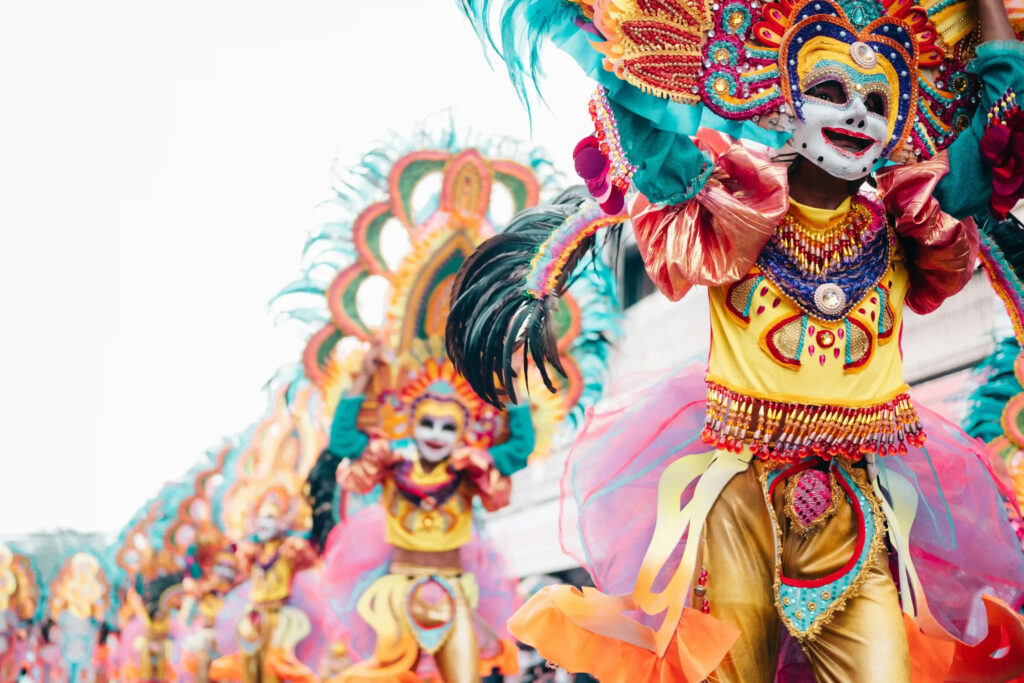
Music and dance are equally vital. Street parades feature drum and lyre bands, while barangay stages host performances ranging from traditional folk dances to modern choreography. The mix of old and new styles demonstrates how the community honors its roots while embracing current influences.
How to Get There & Around
Nueva Valencia can be reached by traveling from Iloilo City to Jordan Wharf in Guimaras, a 15- to 20-minute pump boat ride across the strait (fare around ₱50). From Jordan, jeepneys, vans, or tricycles connect visitors to Nueva Valencia. Travel times vary depending on the destination within the town, but expect about 30 to 45 minutes.
For those wanting flexibility, renting a motorbike is a good option, allowing travelers to move between coastal villages, inland barangays, and festival sites. Public transportation is affordable, but schedules may be limited during evenings, so planning ahead is recommended.
Best Time to Visit & Weather
The best time to experience festivals and cultural life in Nueva Valencia is during the dry season, from November to May. Average temperatures range from 28°C to 32°C, with hotter days between March and May, which also coincides with the mango harvest season.
Festival schedules can vary, but many are tied to religious feast days or agricultural cycles. Visitors planning a trip specifically for festivals should confirm dates in advance. The rainy season, from June to October, brings occasional storms that may affect coastal activities but also provides a more relaxed atmosphere with fewer visitors.
Responsible Travel in Nueva Valencia
When joining festivals, visitors should keep in mind that these are community events, not staged performances. Respecting local customs, asking permission before taking close-up photos, and avoiding excessive waste are all important. Buying from local vendors and supporting family-run accommodations directly benefit the community. Travelers should also be mindful of the environment, especially in coastal areas, by minimizing plastic use and keeping beaches clean.
Conclusion
Nueva Valencia offers an intimate look at how festivals and local culture keep both farming and coastal traditions alive. From mango harvest celebrations to fluvial parades and community feasts, the town demonstrates the richness of small-town life on Guimaras Island. For those seeking authentic cultural experiences grounded in everyday traditions, Nueva Valencia is a rewarding destination that reveals the warmth and resilience of its people.
Subscribe to our newsletter and get weekly updates on our blogs!