Introduction
Palawan has long been celebrated as the Philippines’ “Last Frontier,” with El Nido standing as its most famous icon. Yet another destination is rising on the horizon: San Vicente, a town of just over 33,500 residents that is beginning to attract attention for its long beaches and laid-back charm. While El Nido has developed into a bustling center of tours and nightlife, San Vicente is carving out its own identity as a quieter alternative that values space, sustainability, and authentic community connections.
This comparison between San Vicente and El Nido is not a competition but a look at how two destinations in Palawan are shaping tourism differently. Both share the same island and benefit from Palawan’s natural wonders, but each appeals to travelers for distinct reasons.
El Nido: The Established Destination
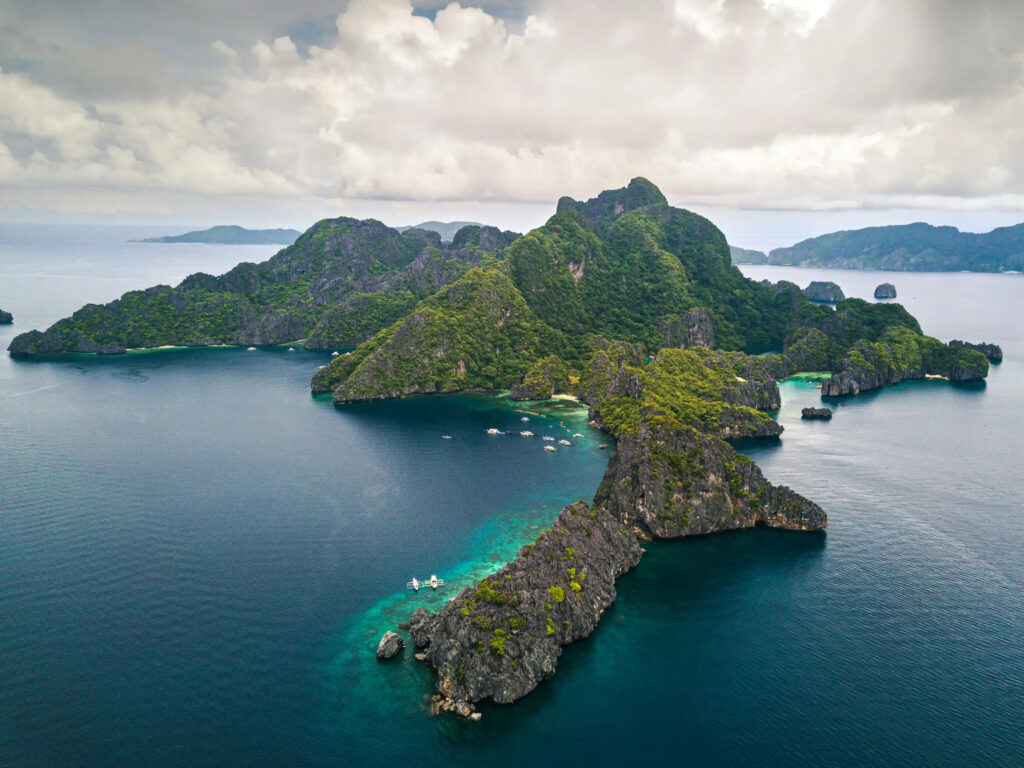
El Nido, located on the northern tip of Palawan, is known worldwide for its limestone cliffs, island-hopping tours, and lively tourist infrastructure. It has become a gateway to the Bacuit Archipelago, with dozens of islets that offer lagoons, snorkeling spots, and hidden beaches.
The town is filled with accommodations ranging from hostels to boutique resorts, along with an active nightlife scene. Restaurants, bars, and cafes cater to both locals and international travelers, ensuring that the town rarely sleeps.
This popularity, however, comes with challenges. Crowded tours, higher prices, and environmental pressures are realities that visitors must navigate. For travelers seeking convenience and a lively atmosphere, El Nido remains an unmatched choice. But for those who prefer wide spaces and fewer crowds, San Vicente offers an appealing contrast.
San Vicente: The Rising Alternative
San Vicente is located between El Nido and Puerto Princesa, making it accessible yet far enough away to retain a sense of remoteness. Its main draw is Long Beach, a 14-kilometer stretch of uninterrupted white sand that is considered the longest white sand beach in the Philippines. Unlike the small coves of El Nido, Long Beach offers expansive horizons where one can walk for hours without encountering large groups of tourists.
Development in San Vicente is still in its early stages. A few resorts and homestays line the beach, but mass tourism has not yet taken hold. The local government has positioned the town as a sustainable tourism zone, aiming to avoid the pitfalls of overcrowding. This approach sets San Vicente apart, as it seeks balance between growth and preservation.
Daily life here moves slowly. Fishing remains an important livelihood, and the local community is closely tied to the land and sea. Markets sell fresh seafood, coconut products, and seasonal fruits, giving visitors a direct connection to the town’s way of life.
Comparing Experiences: El Nido vs. San Vicente
Natural Attractions
El Nido thrives on island-hopping, with packages that cover lagoons, caves, and dramatic limestone cliffs. The scenery is iconic, making it a bucket-list experience. San Vicente, on the other hand, offers fewer organized tours but excels in wide beaches and less disturbed coastal ecosystems. Diving and snorkeling are growing industries, with nearby reefs providing excellent marine encounters without the density of El Nido’s tour boats.
Atmosphere and Crowds
El Nido has a vibrant energy, filled with bars and music, ideal for travelers who enjoy socializing. San Vicente offers tranquility, with evenings defined more by the sound of waves than nightlife. Families, couples, and solo travelers who prefer peace will find the environment in San Vicente more suitable.
Accessibility and Costs
El Nido can be reached by van or bus from Puerto Princesa, or by direct flights from Manila. San Vicente now also has its own small airport, though flights are limited. Costs in El Nido tend to be higher due to demand, while San Vicente remains relatively affordable for both food and accommodations.
Cultural Encounters
Both towns celebrate fiestas and religious traditions, but the smaller population of San Vicente makes community participation more visible. Travelers may be invited to join in local celebrations or share meals, while in El Nido the tourism industry is more structured and less personal.
How to Get There & Around
From Puerto Princesa, travelers can reach San Vicente by van or bus in about 4 to 5 hours. Direct flights to San Vicente Airport are available from Manila but are limited and should be booked in advance. El Nido is roughly a 5- to 6-hour drive from Puerto Princesa, with many shared vans operating the route.
Once in San Vicente, tricycles are the common form of local transport. For exploring Long Beach, walking and renting motorbikes are practical options. In El Nido, tricycles and organized vans dominate, especially for transfers to tour starting points.
Best Time to Visit & Weather
The best time to visit both San Vicente and El Nido is during the dry season from November to May. Temperatures typically range from 26°C to 32°C, with calm seas and clear skies that favor beach activities and boat tours.
The rainy season runs from June to October and can bring heavy rains, rough seas, and the possibility of canceled tours. While accommodations are cheaper during this period, travel can be less predictable.
Responsible Travel
Tourism in Palawan brings both opportunity and risk. Visitors can play an important role in ensuring the sustainability of destinations like San Vicente. Avoid single-use plastics, support local businesses, and respect marine life when snorkeling or diving. In both towns, choosing locally owned accommodations and eating at small eateries helps ensure that tourism benefits the community directly.
San Vicente’s efforts toward sustainable growth highlight the importance of mindful travel. Visitors who choose San Vicente contribute to a model of tourism that values long-term balance.
Conclusion
El Nido and San Vicente are two faces of Palawan, each offering something unique. El Nido dazzles with dramatic island scenery and a lively social scene, while San Vicente stands out for its vast beaches, slower pace, and potential as a sustainable destination.
For travelers who wish to experience Palawan beyond the crowds, San Vicente offers a fresh and promising alternative. Whether one chooses the energy of El Nido or the calm of San Vicente, both remind us why Palawan remains the Philippines’ treasured “Last Frontier.”
Subscribe to our newsletter and get weekly updates on our blogs!