
Introduction
Nestled in the northern part of Bohol, the municipality of Talibon is a coastal town with a population of about 71,272. While it may not be as famous as Tagbilaran City or Panglao, Talibon holds a unique place in Philippine history. It is the birthplace of Carlos P. Garcia, the 8th President of the Philippines, who is remembered for his “Filipino First Policy” and his strong stance on nationalism. For travelers who want to go beyond Bohol’s iconic Chocolate Hills and pristine beaches, Talibon offers a meaningful cultural stop, blending local heritage, community life, and natural beauty with historical pride.
Honoring Carlos P. Garcia and His Legacy
Carlos P. Garcia was born in Talibon in 1896 and rose from a provincial boy to the highest office in the country. Known as “The Prince of Visayan Poets” because of his literary pursuits, Garcia combined intellectual achievement with political leadership. His Filipino First Policy prioritized the interests of Filipinos in trade and industry, making him a symbol of economic nationalism.
In Talibon, his memory is preserved through monuments, plaques, and stories passed down by the locals. The community’s pride in being the birthplace of a president is visible in schools, government offices, and cultural events. For travelers, visiting Talibon is an opportunity to connect with a place where national history intersects with everyday local life.
Attractions in Talibon and Nearby
Talibon is not just about history; it also offers attractions that showcase Bohol’s coastal charm and religious heritage:
- Carlos P. Garcia Memorial Park – A small but significant site honoring the former president, where visitors can learn more about his contributions.
- Talibon Cathedral (Most Holy Trinity Parish) – A striking church at the heart of town, reflecting the community’s strong Catholic faith. Its Spanish-era architecture and active parish life make it a focal point of local culture.
- Danajon Bank – Just offshore lies the only double barrier reef in the Philippines, a unique marine ecosystem that is a paradise for divers and researchers. While full-scale tours may need local coordination , it underscores Talibon’s ecological importance.
- Island-hopping tours – From Talibon, visitors can access small islets and white-sand shores that remain less crowded compared to Panglao. These hidden gems provide a quieter escape for those who enjoy nature in a more laid-back setting.
Local Culture and Community Life
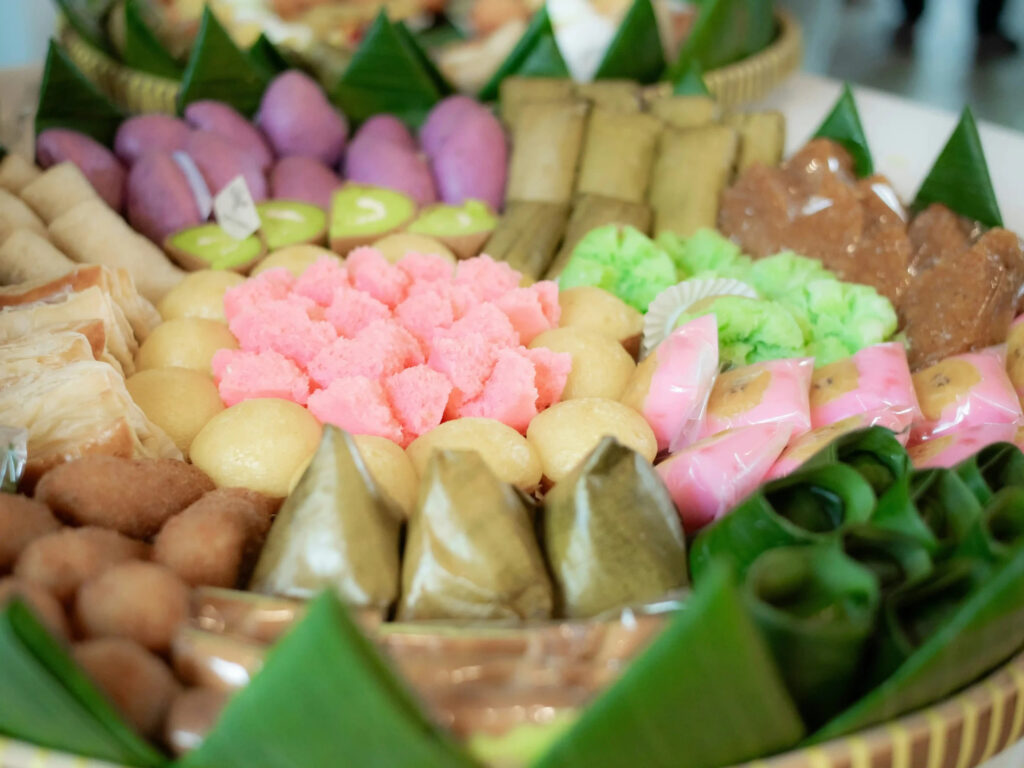
The people of Talibon embody the same warmth and hospitality that Bohol is known for. Fishing is a major livelihood, and the town’s coastal markets are filled with fresh seafood. Visitors can enjoy simple yet flavorful Boholano dishes, such as grilled fish, kinilaw (ceviche), and locally made delicacies.
Cultural pride is also evident during fiesta celebrations, when families open their homes to guests, serving abundant food and showcasing community spirit. Music, dance, and faith-based traditions reflect both Boholano identity and a deep respect for family and community ties.
How to Get There & Around
Talibon is accessible by land and sea:
- From Tagbilaran City, travelers can take a bus or van from Dao Integrated Bus Terminal to Talibon, a journey of about 3–4 hours. Fare typically ranges from ₱150–₱200.
- From Cebu City, fast ferries travel to nearby Tubigon or Getafe, and from there, land transport connects to Talibon in 1–2 hours.
Within Talibon, tricycles and motorcycles are the most common way to get around, with fares usually between ₱10–₱30 for short trips. For island-hopping or exploring coastal areas, pump boats can be hired from the local pier, though prices vary depending on distance and group size.
Best Time to Visit & Weather
The best time to visit Talibon is during the dry season from December to May, when weather is sunny and seas are calmer, ideal for island-hopping and cultural tours. Average temperatures range from 26°C to 32°C.
If visiting in October, travelers may catch the annual fiesta honoring the town’s patron saint, which is celebrated with processions, cultural shows, and local hospitality. The rainy season from June to October brings more unpredictable weather, but it can also mean fewer tourists and a more authentic community experience.
Responsible Travel Notes
Travelers are encouraged to respect both the cultural and ecological heritage of Talibon:
- Be mindful when visiting churches and religious sites by dressing modestly.
- If joining island-hopping tours, avoid littering and minimize plastic use.
- Support local vendors and markets to ensure that tourism benefits the community directly.
- When exploring Danajon Bank or nearby reefs, practice responsible snorkeling or diving, avoiding damage to fragile corals.
Conclusion
Talibon may not be the first destination that comes to mind when visiting Bohol, but its significance as the birthplace of Carlos P. Garcia makes it a culturally enriching stop. Blending history, coastal charm, and warm hospitality, the town offers travelers a glimpse into both the local way of life and the national narrative of the Philippines. For those seeking to explore Bohol beyond its most photographed attractions, Talibon provides a meaningful journey into heritage and community.
Subscribe to our newsletter and get weekly updates on our blogs!