Introduction
Cebu City, with a population of 964,169, is celebrated as the birthplace of Christianity in the Philippines. Among its many historical and cultural sites, the Basilica Minore del Santo Niño stands out as a spiritual and cultural landmark. Dedicated to the Santo Niño, or the Holy Child Jesus, the basilica attracts thousands of pilgrims, tourists, and history enthusiasts every year. Visiting the basilica offers insight into Cebuano faith, colonial history, and vibrant religious traditions that continue to shape local culture.
Historical Background
The Basilica Minore del Santo Niño traces its origins to the early Spanish colonial period. It was founded in 1565, shortly after the arrival of Miguel López de Legazpi, the first Spanish governor of the Philippines. The basilica houses the original image of the Santo Niño, a gift from Ferdinand Magellan to Queen Juana of Cebu in 1521.
Over the centuries, the basilica has been reconstructed and expanded while maintaining its historical essence. Its significance is not only religious but also cultural, symbolizing the introduction of Christianity to the Philippines and the enduring devotion of Cebuano Catholics.
Architectural Features
The basilica showcases Baroque-inspired architecture, characterized by its ornate façade, bell towers, and grand interior. Inside, visitors can admire intricately designed altars, religious paintings, and the chapel that houses the Santo Niño image.
The basilica also features a museum displaying historical artifacts, liturgical items, and memorabilia related to the Santo Niño devotion. The combination of architecture, art, and sacred objects provides a rich sensory experience for both worshippers and tourists.
Religious and Cultural Significance
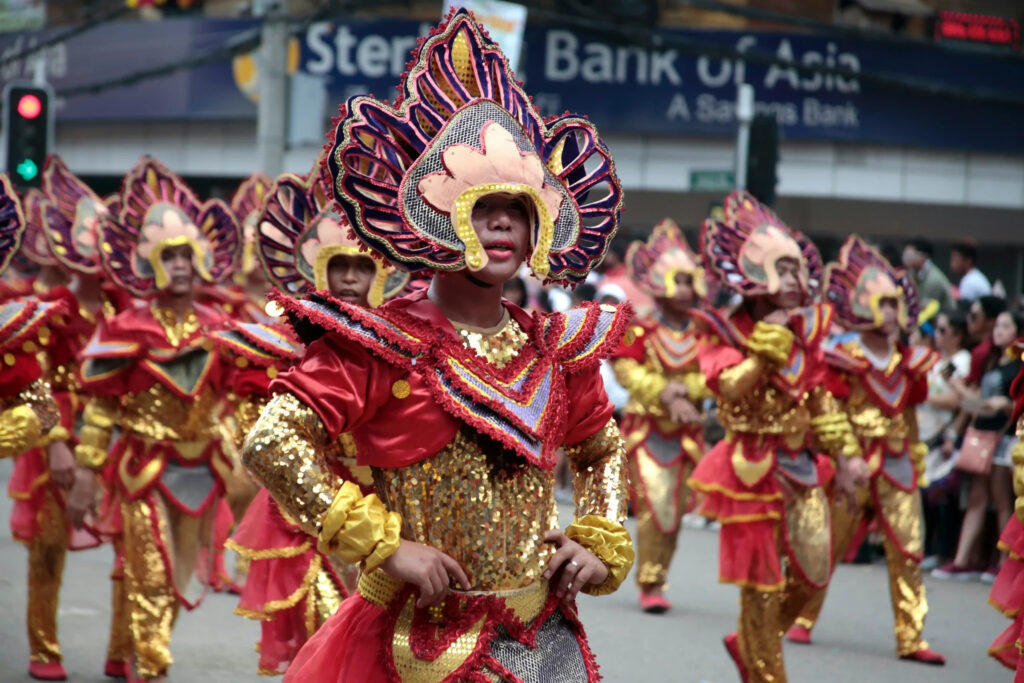
The Basilica Minore del Santo Niño is a central hub for Cebuano religious life. Daily Masses, novenas, and special feasts draw thousands of devotees. The Sinulog Festival, held every January, is the most famous celebration associated with the Santo Niño, featuring street dancing, parades, and religious rituals.
The basilica also serves as a center for spiritual education and community outreach. Parishioners participate in catechism classes, charitable activities, and volunteer programs, reflecting the integration of faith into daily life and civic responsibility.
Visiting the Basilica
Visitors can explore both the religious and cultural aspects of the basilica. Key highlights include:
- Viewing the Santo Niño Image: Pilgrims often pray, light candles, and make offerings at the chapel.
- Exploring the Museum: Learn about the history of Cebuano Christianity and artifacts from the Spanish colonial period.
- Attending Mass or Festivals: Experience local devotion firsthand during regular services or major celebrations.
Entrance is typically free, but donations are welcome to support maintenance and community programs. Guided tours are available for a small fee and provide deeper historical and cultural context.
Community and Local Life
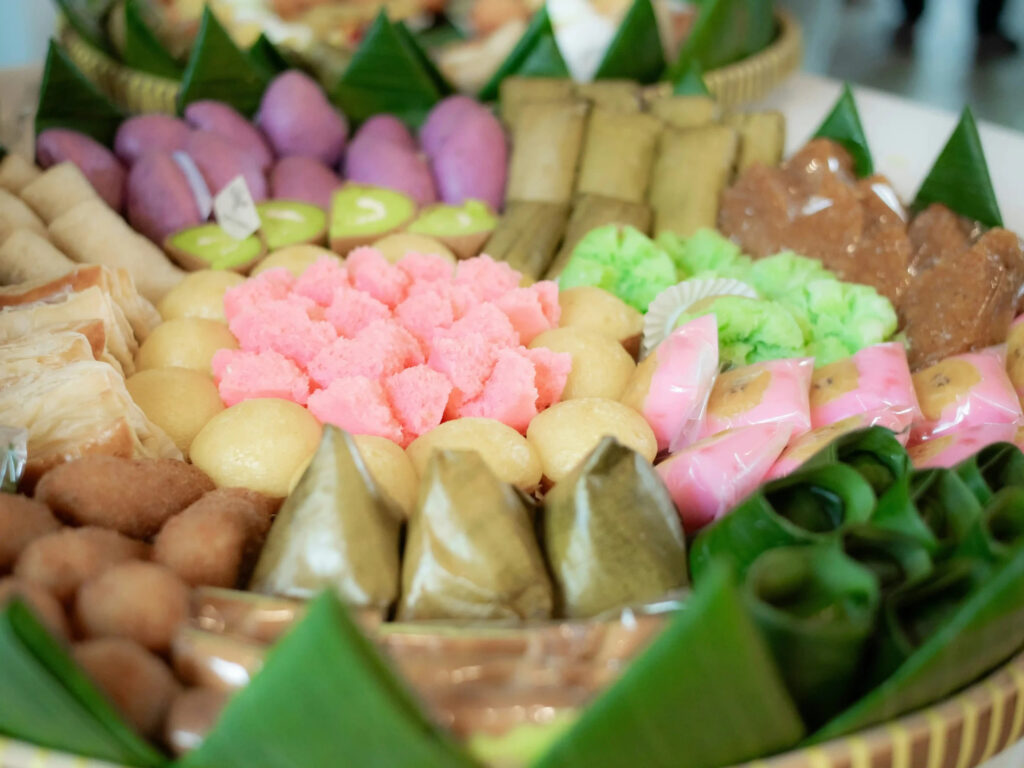
The area surrounding the basilica is lively, with markets, shops, and eateries catering to pilgrims and tourists. Visitors can try local delicacies such as lechon, puso (hanging rice), and native sweets. Prices for street food and small meals generally range from ₱50 to ₱200.
Local vendors also sell religious souvenirs, rosaries, and images of the Santo Niño, providing an opportunity to support small businesses while taking home a piece of Cebuano culture.
How to Get There and Around
The Basilica Minore del Santo Niño is located in downtown Cebu City and is accessible from most parts of Metro Cebu. Private cars or taxis from Mactan-Cebu International Airport take about 30 minutes, with fares around ₱200–₱300.
Public transportation, including jeepneys and buses, is widely available, with fares ranging from ₱15 to ₱30. The area is pedestrian-friendly, allowing visitors to explore the plaza, markets, and nearby heritage sites on foot.
Best Time to Visit and Weather
Cebu City has a tropical climate, with temperatures ranging from 26°C to 32°C. The dry season, from December to May, is ideal for visiting, offering sunny skies and comfortable conditions for exploring the basilica and surrounding areas.
The Sinulog Festival, held every third Sunday of January, is the peak time for visitors interested in witnessing the full cultural and religious spectacle. Arriving early is recommended to avoid large crowds and secure good viewing spots.
Responsible Tourism
Visitors should respect the sanctity of the basilica by dressing modestly, speaking quietly, and refraining from disruptive behavior during services. Photography should follow posted guidelines, and supporting local vendors contributes to the sustainability of the community. Respecting cultural and religious practices ensures a meaningful and respectful experience for everyone.
Conclusion
The Basilica Minore del Santo Niño is more than a historic church; it is a vibrant symbol of Cebuano faith, culture, and history. From viewing the revered Santo Niño image to exploring the museum and participating in religious celebrations, visitors can immerse themselves in centuries of devotion and tradition. For travelers seeking spiritual enrichment, cultural education, and a glimpse into Cebu’s heart, the basilica is an unmissable destination.
Subscribe to our newsletter and get weekly updates on our blogs!