Introduction
Mogpog, a municipality in Marinduque with a population of 34,516, holds a special place in the island’s identity. Known as the birthplace of the colorful Moriones Festival that has become synonymous with Holy Week in the province, Mogpog is often recognized for its central role in this iconic tradition. Yet the town’s cultural and community life extends far beyond Moriones. Through fiestas, seasonal celebrations, and everyday practices rooted in faith and unity, Mogpog reveals a deeper cultural richness that deserves attention. Exploring these traditions offers travelers a chance to experience the heart-shaped island’s lifestyle from a perspective shaped by community values and continuity.
The Moriones Legacy and Its Influence
The Moriones Festival, first introduced in Mogpog by a parish priest, remains the town’s most famous contribution to Philippine culture. Every Holy Week, locals wear wooden masks and Roman centurion costumes to dramatize the story of Longinus, blending devotion and performance. While this tradition has spread across Marinduque, Mogpog proudly remembers its origins.
What is often overlooked is how Moriones shaped the framework for other community traditions. The artistry of mask-making, the spirit of cooperation, and the emphasis on storytelling all continue to influence the way Mogpog celebrates other festivals throughout the year. Understanding this connection helps explain why Mogpog is a town where cultural expressions thrive beyond one event.
Community Fiestas and Patron Saints
Like many towns in the Philippines, Mogpog observes annual fiestas in honor of its patron saints. These celebrations often begin with a solemn Mass and processions through the streets, followed by community feasts, music, and dancing. Families open their homes to visitors, sharing local delicacies as an expression of hospitality.
These fiestas highlight the town’s strong Catholic faith and its role in daily life. They are not only religious occasions but also moments of cultural continuity, where children learn traditions from their elders and communities strengthen their bonds. Visitors who happen to arrive during fiesta season are often welcomed to join, experiencing firsthand the generosity and warmth of Mogpog’s people.
Everyday Cultural Practices
Festivals are just one part of Mogpog’s cultural identity. Daily life also reflects traditions that connect residents to their land and sea. Fishing and farming remain central livelihoods, and practices around harvest and preparation of food carry with them customs passed down through generations.
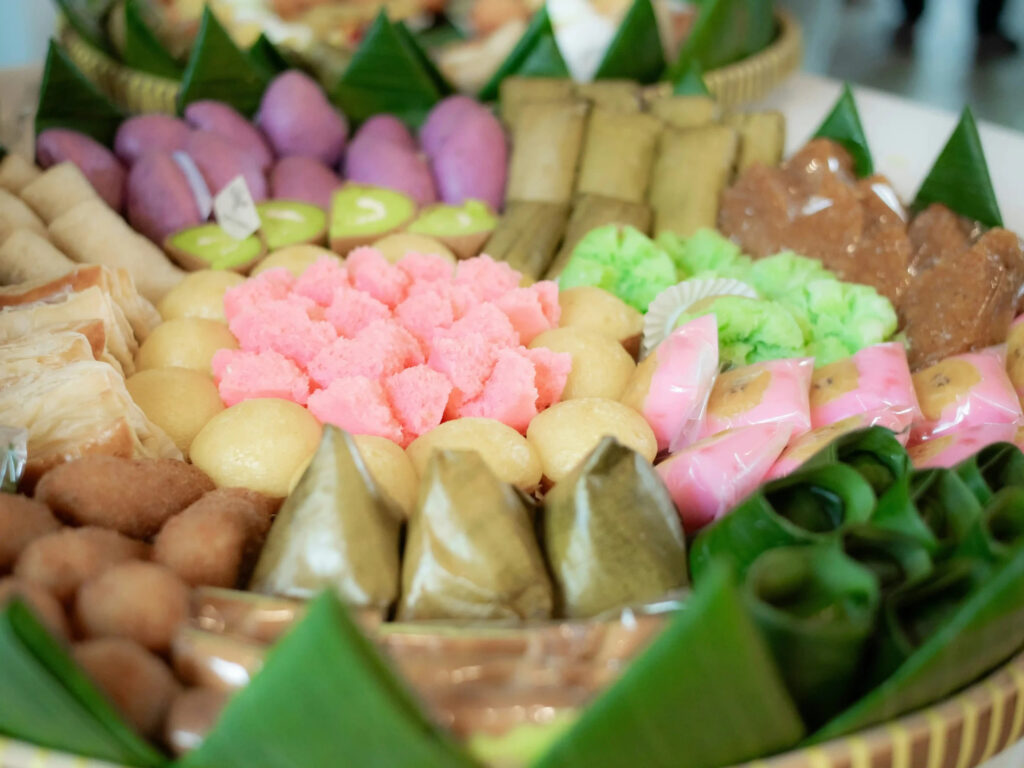
Meals are often shared communally, and markets buzz with the exchange of fresh produce, fish, and native goods. Handmade crafts and local delicacies such as arrowroot cookies continue to represent the skills and creativity of Mogpog’s residents. Even in ordinary routines, there is a sense of pride in maintaining practices that link the present to the past.
The Role of Music, Dance, and Storytelling
Cultural expression in Mogpog also comes alive through music, dance, and oral traditions. During fiestas and community gatherings, folk dances are performed alongside modern music, reflecting a blend of heritage and adaptation. Storytelling traditions often center on religious themes, moral lessons, or tales of resilience, reinforcing the town’s values.
These artistic practices may not always be on formal stages, but they are deeply woven into daily life. For travelers, attending a local gathering or observing these traditions is an opportunity to see how heritage is kept alive not through institutions but through community participation.
How to Get There & Around
Reaching Mogpog is relatively straightforward. From Manila, travelers take a bus to Lucena in Quezon Province, followed by a ferry ride to Marinduque’s Balanacan Port, which is conveniently located in Mogpog. This makes the town one of the most accessible gateways to the island. Travel time from Manila is approximately 6–8 hours, depending on connections.
Once in Mogpog, tricycles are the most common mode of transport within town. For visitors who wish to explore surrounding communities and beaches, renting a motorbike or arranging a van offers more flexibility.
Best Time to Visit & Weather
The most popular time to visit Mogpog is during Holy Week, when the Moriones Festival transforms the town into a hub of devotion and cultural activity. However, fiestas and traditions occur throughout the year, so travelers visiting outside of Holy Week will still encounter cultural events and community gatherings.
The dry season, from December to May, is generally the best period to travel, with average temperatures between 25°C and 32°C. This makes it easier to move around and join outdoor celebrations. The rainy season from June to November is less predictable, but it also brings a slower pace of life that can offer a more intimate experience of Mogpog’s culture.
Practical Tips for Visitors
Visitors should approach festivals and traditions in Mogpog with respect. Modest dress is recommended when attending religious events, and asking permission before taking photographs is a way to show courtesy. Joining in community meals or activities is often welcomed, but contributing by bringing small gifts or supporting local vendors is appreciated.
Cash is essential, as ATMs may not always be available. Travelers should also prepare for limited tourist infrastructure, as Mogpog remains largely focused on community life rather than commercial tourism. This, however, is part of its appeal.
Supporting local artisans, purchasing food in markets, and staying in family-run accommodations all help sustain the economy while giving visitors a more authentic experience.
Conclusion
Mogpog may be known as the birthplace of the Moriones Festival, but its cultural life extends far beyond Holy Week. Through fiestas, everyday practices, and artistic traditions, the town reveals a deeper layer of Marinduque’s identity. These celebrations of faith, community, and heritage show how Mogpog continues to shape and preserve the cultural spirit of the heart-shaped island.
For travelers seeking an authentic and meaningful experience, Mogpog’s festivals and traditions provide more than entertainment. They offer a window into the resilience, devotion, and hospitality of its people. Visiting Mogpog is not only about witnessing an event but about stepping into a way of life that remains vibrant and deeply rooted.
Subscribe to our newsletter and get weekly updates on our blogs!