Introduction
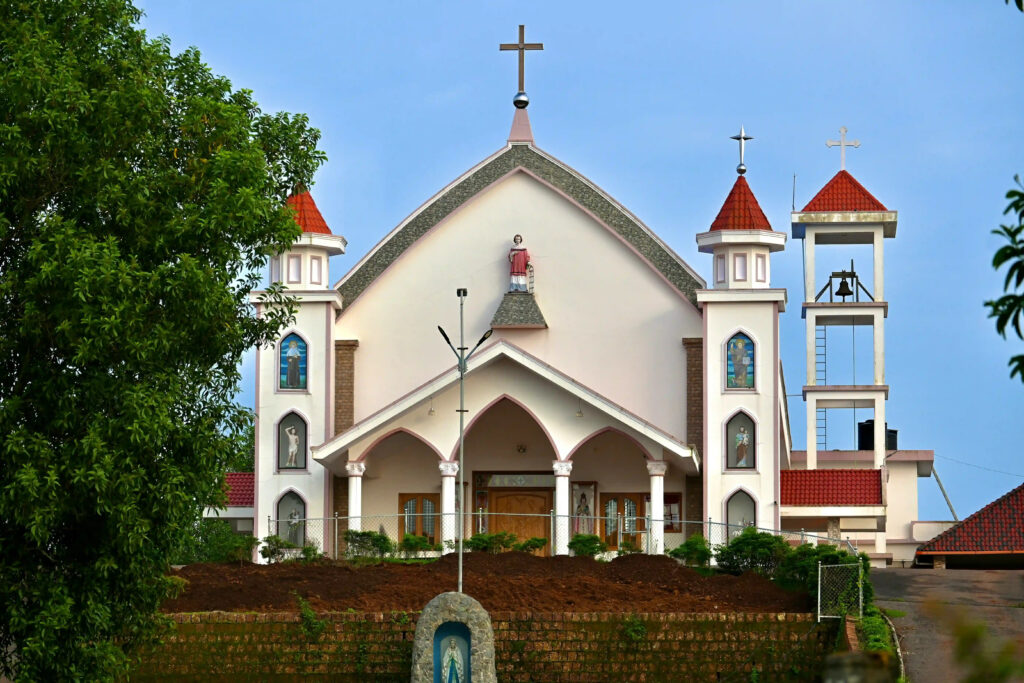
Santa Cruz, the largest municipality in Marinduque with a population of about 54,692, is a town that reflects both the island’s deep Catholic heritage and its vibrant community life. Marinduque itself is often referred to as the heart-shaped island, and it is especially known for the colorful Moriones Festival held every Holy Week. Within Santa Cruz, the most prominent landmark is the Our Lady of the Pillar Parish Church, more commonly known as Santa Cruz Church. This Spanish-era structure serves as both a cultural treasure and a religious anchor for the community, representing centuries of devotion and tradition.
For travelers, visiting Santa Cruz Church is an opportunity to see how history, architecture, and faith converge in a place that has remained central to the lives of generations of Marinduqueños.
History and Religious Significance
Santa Cruz Church was established during the Spanish colonial period, when missionaries spread Catholicism across Marinduque and the rest of the Philippines. Like many churches of its era, it was built using stone and local materials, designed to endure both the tropical climate and the test of time. Its thick walls and traditional layout reflect Spanish ecclesiastical architecture, while the church’s dedication to Our Lady of the Pillar connects it to one of Spain’s most venerated Marian devotions.
For centuries, the church has been the site of baptisms, weddings, funerals, and community gatherings. It has played a central role in shaping the town’s religious calendar, with feast days honoring Our Lady of the Pillar drawing not just locals but also visitors from neighboring towns. This devotion underscores the influence of Spanish Catholic traditions that continue to live on in Marinduque.
Architecture and Atmosphere
Santa Cruz Church is notable for its enduring colonial design. While simpler than the larger cathedrals in other provinces, its structure carries a quiet dignity. The stone façade, framed by a bell tower, stands prominently in the town center. Inside, wooden pews, religious icons, and stained-glass windows create an atmosphere of reverence.
The church is not only a place for liturgical rituals but also a refuge of peace. Visitors often remark on the solemn environment, where the sounds of prayer and choir voices blend with the daily rhythms of town life. For heritage enthusiasts, the church is an accessible way to connect with the architectural and cultural identity of the Spanish colonial period in Marinduque.
The Church and Community Life
The role of Santa Cruz Church extends beyond worship. It is a hub of social and cultural activity, reflecting the central place of faith in Filipino community life. During Holy Week, for instance, the church is heavily involved in the Moriones Festival, where costumed penitents reenact the story of Longinus. Processions often begin or end at the church, reinforcing its place as the spiritual anchor of Santa Cruz.
Feast days and special events also bring the community together. Families prepare food, streets come alive with vendors, and the town transforms into a gathering place where tradition and celebration coexist. For travelers, joining these events with respect offers a rare chance to experience how heritage and faith shape everyday life in Marinduque.
Local Culture, Food, and Markets
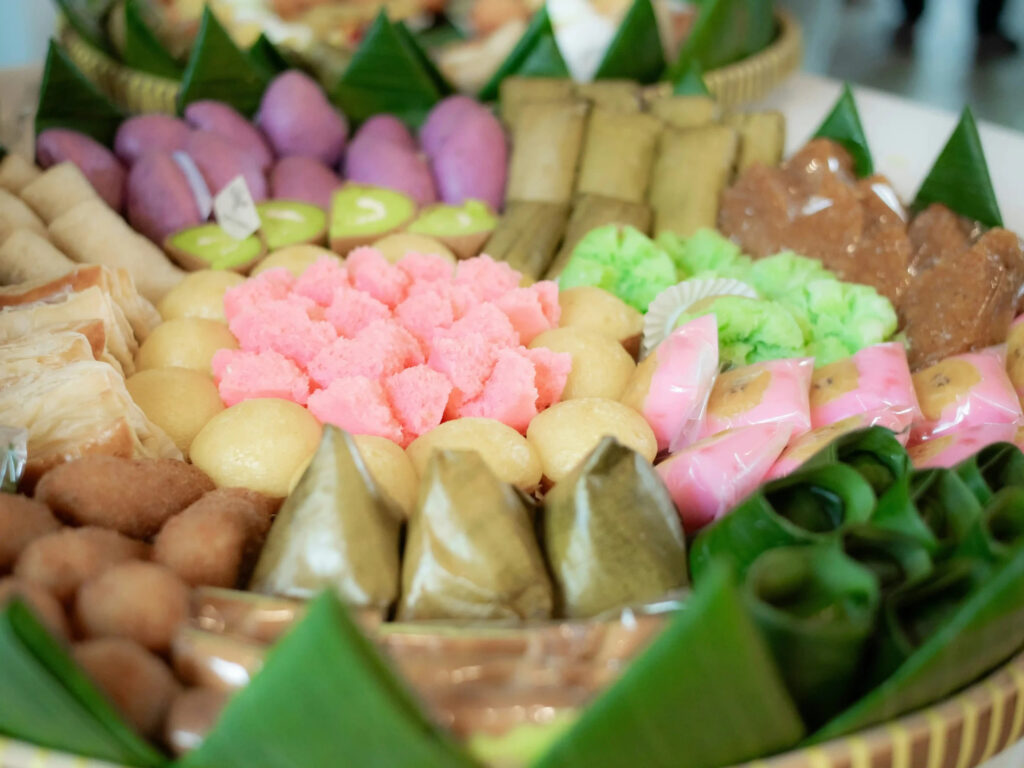
Outside the church, the daily life of Santa Cruz unfolds in markets and small eateries. Vendors sell local delicacies such as bibingka (rice cakes), pancit canton (stir-fried noodles), and fresh seafood from nearby waters. During feast days, the spread expands to include lechon and other celebratory dishes.
The close connection between church events and food culture is striking. Religious gatherings often spill into communal meals, making food an essential part of both devotion and celebration. For travelers, tasting these local flavors near the church grounds is a way of participating in the town’s identity, where faith and community spirit blend naturally.
How to Get There & Around
Santa Cruz is located on the eastern side of Marinduque, about two to three hours by road from Boac, the provincial capital. Travelers from mainland Luzon can take a bus from Manila to Lucena in Quezon Province, then board a ferry to Marinduque’s ports such as Cawit or Balanacan. From there, jeepneys and vans connect to Santa Cruz.
Within the town, tricycles are the most common form of transport, with fares ranging from ₱20 to ₱50 depending on distance. The church sits at the center of Santa Cruz, making it easy to reach once you arrive in town. Walking around the area is straightforward, as the church is surrounded by small shops, eateries, and community spaces.
Best Time to Visit & Weather
The best time to visit Santa Cruz Church is during the dry season, from December to May, when travel conditions are easier and festivals often take place. Average daily temperatures are around 30°C, with cooler evenings. Holy Week is the most vibrant period, with the Moriones Festival filling the town with color, music, and devotion, but it is also the most crowded.
For travelers who prefer a quieter experience, regular Sundays or weekdays provide a more reflective atmosphere. The rainy season from June to November brings occasional heavy showers, but the church remains open for services and visitors year-round.
Conclusion
Santa Cruz Church, or the Our Lady of the Pillar Parish, is more than a Spanish-era building. It is a living symbol of Marinduque’s heritage, faith, and community life. Whether you come to admire its architecture, join the faithful during the Moriones Festival, or simply sit quietly in prayer, the church offers a connection to both history and spirituality.
For visitors to Marinduque, a stop in Santa Cruz is essential. It is a place where the island’s cultural heart beats strongly, shaped by devotion and carried forward by generations of believers.
Subscribe to our newsletter and get weekly updates on our blogs!