Manila: The Heart of Luzon
Manila, the capital of the Philippines and home to over 1.8 million residents, is a city that tells the story of the entire nation. Situated on Luzon, the country’s largest island, Manila has served as the Philippines’ political, cultural, and economic center for centuries. Its identity is complex, shaped by waves of colonization, migration, and modernization. The result is a city that embodies the diversity of the Philippines, where history, tradition, and cosmopolitan life coexist.
The fun fact that Luzon hosts Mount Pulag, where hikers climb at night to experience the “sea of clouds,” connects well with Manila’s role. Just as Pulag offers a breathtaking view of nature’s grandeur, Manila provides a wide view of the Philippines’ cultural and social fabric.
From Colonial Beginnings to Modern Identity
Manila’s history stretches back hundreds of years, beginning with pre-colonial settlements along the Pasig River. In 1571, Spanish conquistador Miguel López de Legazpi established Manila as the capital of the Spanish East Indies. Intramuros, the walled city, became the administrative and religious center. Churches, plazas, and stone fortifications were constructed, blending European influence with local traditions.
After more than 300 years under Spanish rule, the Philippines came under American administration in 1898, bringing with it English education, modern infrastructure, and new forms of governance. World War II devastated Manila, leaving much of the city in ruins, but its rebuilding after 1945 marked a new chapter of resilience.
Today, Manila reflects all these layers: colonial heritage, postwar modernity, and contemporary global influence. Its streets, food, and architecture narrate the journey of a city constantly reinventing itself.
A City of Many Cultures
Manila is often described as a cultural melting pot, not only because of foreign influence but also because of its role as a gathering place for people from across the archipelago. Migrants from the provinces have long settled in the capital, bringing with them their own languages, cuisines, and traditions. As a result, Manila is a city where one can experience the Ilocano, Kapampangan, Visayan, and Mindanaoan way of life without leaving Luzon.
Festivals and events also highlight this diversity. Religious celebrations such as the Feast of the Black Nazarene draw millions of devotees each year, while Chinese New Year festivities in Binondo showcase the city’s Chinese-Filipino heritage. Modern cultural movements, from independent film to street art, thrive alongside these traditions, creating a lively and multifaceted cultural scene.
Key Cultural Attractions
Intramuros: The Walled City
Intramuros remains the most prominent historical landmark in Manila. Visitors can walk along its walls, explore Fort Santiago, and visit San Agustin Church, a UNESCO World Heritage Site. These structures recall the Spanish era while also serving as spaces for reflection on Manila’s colonial past. Entrance fees for attractions within Intramuros range from ₱75 to ₱200.
Binondo: The World’s Oldest Chinatown
Founded in 1594, Binondo is recognized as the oldest Chinatown in the world. Its streets are filled with shops, temples, and restaurants that showcase Chinese-Filipino culture. Dishes such as siopao (steamed buns) and lumpia (spring rolls) reflect centuries of culinary exchange. A food walk here is both affordable and memorable, with meals often costing under ₱200.
National Museum Complex
The National Museum of Fine Arts, Natural History, and Anthropology collectively house treasures that narrate the Filipino story. Admission is free, making it an accessible way to understand the nation’s cultural depth.
Rizal Park
Also known as Luneta, Rizal Park is one of the most significant public spaces in the Philippines. It honors national hero José Rizal, whose execution in 1896 fueled the revolution against Spain. The park is not only a site of historical remembrance but also a popular spot for families and community gatherings.
Manila’s Culinary Diversity
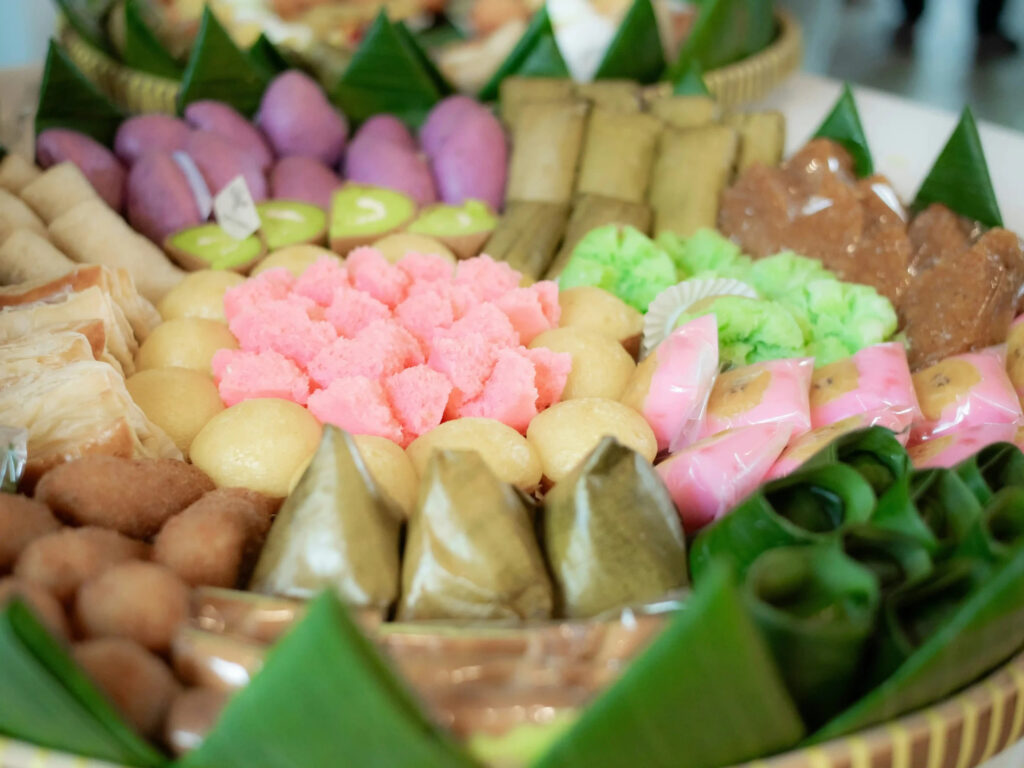
Food in Manila mirrors its cultural blending. Spanish-inspired dishes like adobo and lechon, Chinese staples such as dim sum, and American influences like fried chicken and burgers all find a place on local tables. Street food culture is also strong, with stalls offering isaw (grilled chicken intestines), balut (fertilized duck egg), and fish balls for only a few pesos.
Modern Manila has also embraced international cuisine, with Japanese, Korean, and Middle Eastern restaurants thriving across the city. For many visitors, dining in Manila is a journey through both Filipino tradition and global flavors.
How to Get There & Around
Manila is accessible through Ninoy Aquino International Airport, which connects the city to both domestic and international destinations. Within the capital, transportation options include jeepneys, buses, taxis, and ride-hailing services. The Light Rail Transit (LRT) and Metro Rail Transit (MRT) provide faster routes through the city, though they can be crowded during rush hours.
Traffic congestion is a common challenge, so travelers are advised to allow extra time when moving between districts. For short distances, walking in areas like Intramuros or Binondo is rewarding, as it allows visitors to experience the city’s atmosphere up close.
Best Time to Visit & Weather
Manila has a tropical climate with average temperatures between 25°C and 33°C. The dry season, from November to May, is the most favorable time to visit. December to February is particularly pleasant, as the air is cooler. The rainy season, from June to October, brings heavy showers and occasional flooding, which can affect travel plans.
For cultural events, January’s Feast of the Black Nazarene and February’s Chinese New Year are among the most significant, drawing both locals and tourists.
Practical Tips for Visitors
- Costs: Many cultural sites such as museums and parks are free or have minimal fees. Meals can range from budget-friendly ₱100 street food to fine dining at ₱1,000 and above.
- Dress: Light clothing is ideal for Manila’s heat, but modest attire is recommended when visiting churches or religious spaces.
- Safety: Like any large city, Manila has areas that require caution. Staying alert, avoiding isolated streets at night, and keeping belongings secure are important.
- Cultural Respect: Participate in traditions respectfully, especially during religious festivals.
Responsible Travel and Engagement
Manila faces challenges such as pollution and congestion, so visitors are encouraged to adopt low-impact practices. Using reusable water bottles, supporting local businesses, and walking where possible contribute positively to the city. Engaging with locals, whether through markets, food tours, or cultural workshops, also ensures a more meaningful experience.
Conclusion: Manila as a Mirror of the Nation
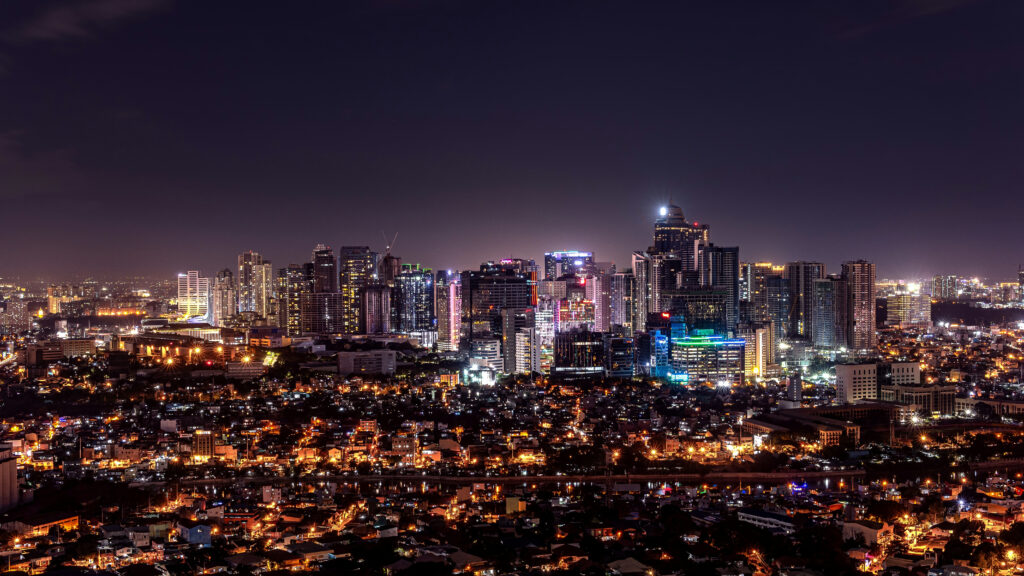
Manila is more than the capital of the Philippines. It is a city that reflects the nation’s diversity, resilience, and creativity. From the colonial streets of Intramuros to the modern skyline of business districts, Manila tells the story of a people shaped by history yet always moving forward. Visiting Manila is an invitation to experience the Philippines in its most concentrated form-a place where past and present, tradition and innovation, all meet.
Subscribe to our newsletter and get weekly updates on our blogs!