
Introduction: Bacoor’s Soul Beyond the Suburbs
Bacoor in Cavite, with its population of over 664,000, is often thought of as a busy suburban city linked to Metro Manila. It is a place where subdivisions and commercial centers dominate the landscape, but beyond the traffic and modern housing developments lies a city rich in history, devotion, and traditions. At the center of this cultural life is faith, most prominently represented by St. Michael the Archangel Parish, and a calendar of fiestas that bring the community together year after year.
St. Michael the Archangel Parish: The Heart of Devotion
St. Michael the Archangel Parish is one of Bacoor’s most recognizable landmarks. The church has its origins in the Spanish colonial period, when Catholic missionaries expanded their reach throughout Cavite. As the city’s patron, St. Michael the Archangel is honored every year with processions and novena masses, reflecting the people’s enduring devotion.
Architecturally, the parish bears the hallmarks of Spanish influence, with its stone façade and bell tower that once guided parishioners across the town. While Bacoor has modernized rapidly, the parish remains a constant, providing not only spiritual guidance but also a reminder of the city’s historic roots. Many locals see the church as both a place of worship and a cultural anchor that ties the present to the past.
Fiestas and Festivities: A Celebration of Community
Like most Philippine towns, Bacoor’s identity comes alive during its fiestas. The feast of St. Michael, celebrated every September, is marked with street processions, church activities, and community events that attract both locals and visitors. This fiesta is a time when Bacoor temporarily shifts from its fast-paced lifestyle to focus on faith, family, and celebration.
Another unique aspect of Bacoor’s cultural calendar is its music-related traditions. Known historically as a hub for marching bands, Bacoor honors its musical heritage during festivals that highlight band performances. These events showcase not only the talent of local musicians but also the city’s cultural pride, as brass bands and processions create a festive atmosphere that resonates throughout the community.
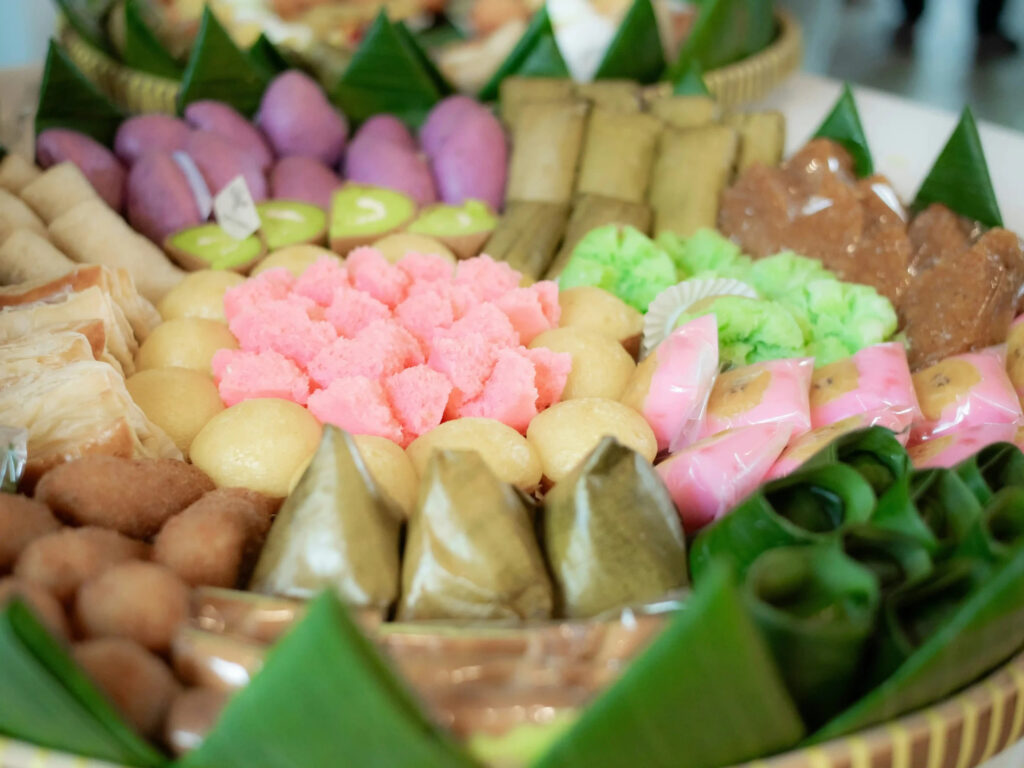
Food is an inseparable part of fiestas as well. Families prepare tables laden with Filipino favorites such as pancit, lechon, and rice cakes. Visitors often find themselves welcomed into homes, invited to share in the bounty that defines Filipino hospitality.
Cultural Traditions and Daily Life
Beyond the grand fiestas, Bacoor’s culture can be felt in its everyday life. Families maintain traditions passed down through generations, from community prayers to neighborhood gatherings. Local markets provide a glimpse of the city’s daily rhythm, where vendors sell seafood, produce, and delicacies that reflect Cavite’s coastal heritage.
Religious practices also continue to shape daily routines. Many households keep altars adorned with saints’ images, lighting candles and offering prayers for guidance and protection. These quiet acts of devotion demonstrate how faith is deeply woven into Bacoor’s cultural fabric.
Food and Local Specialties
Cavite is known for a rich culinary identity, and Bacoor contributes with its own specialties. The city has long been associated with tahong (mussels), harvested from Manila Bay, and used in dishes such as adobong tahong or fried mussel fritters. This seafood tradition adds depth to Bacoor’s local cuisine, offering visitors the chance to taste dishes unique to the region.
Markets and eateries also showcase Cavite-style pancit and other comfort foods that reflect the mix of influences brought by centuries of trade and cultural exchange. For those visiting during festivals, food stalls line the streets, turning Bacoor into a feast for the senses.
How to Get There & Around
Bacoor’s location in Cavite makes it highly accessible from Metro Manila. By car, it is about a 30 to 45 minute drive from central Manila, though traffic can extend the journey significantly during peak hours. Public buses, vans, and jeepneys provide regular routes between Bacoor and major Manila terminals, making it easy for visitors to reach the city.
Within Bacoor, tricycles and jeepneys are the most common modes of transport for short trips. For those planning to explore nearby Cavite towns, hiring a private vehicle may be more convenient.
Best Time to Visit & Weather
The best time to visit Bacoor for cultural experiences is in September, during the fiesta of St. Michael the Archangel. The city is alive with processions, performances, and community events that give visitors a full picture of its traditions.
Weather-wise, Bacoor shares the same tropical climate as Metro Manila, with average temperatures ranging from 24°C to 32°C. The dry months from December to May are ideal for visiting, as heavy rains from June to November may affect travel and outdoor activities.
Responsible Travel and Local Engagement
Visitors to Bacoor’s churches and fiestas are encouraged to dress modestly and respect local customs. During processions and masses, maintaining a quiet and reverent demeanor is appreciated by locals. Supporting small vendors at markets or food stalls provides meaningful economic benefits while giving travelers an authentic taste of the community.
As Bacoor continues to urbanize, preserving its religious and cultural traditions becomes increasingly important. Travelers play a role in this preservation by treating cultural sites with respect and engaging with the community in thoughtful ways.
Conclusion: Faith and Culture at Bacoor’s Core
Bacoor may be known today as a growing residential hub near Metro Manila, but at its heart it is a city that values faith, heritage, and community traditions. From the centuries-old St. Michael the Archangel Parish to lively fiestas filled with music and food, Bacoor’s identity is shaped by the strength of its people and their devotion.
For travelers seeking a deeper experience of Cavite beyond the commercial centers, Bacoor offers a meaningful glimpse into the enduring role of religion and culture in shaping everyday life. A visit here is not just about seeing a church or joining a fiesta, but about understanding the community spirit that continues to define the city.
Subscribe to our newsletter and get weekly updates on our blogs!