Introduction
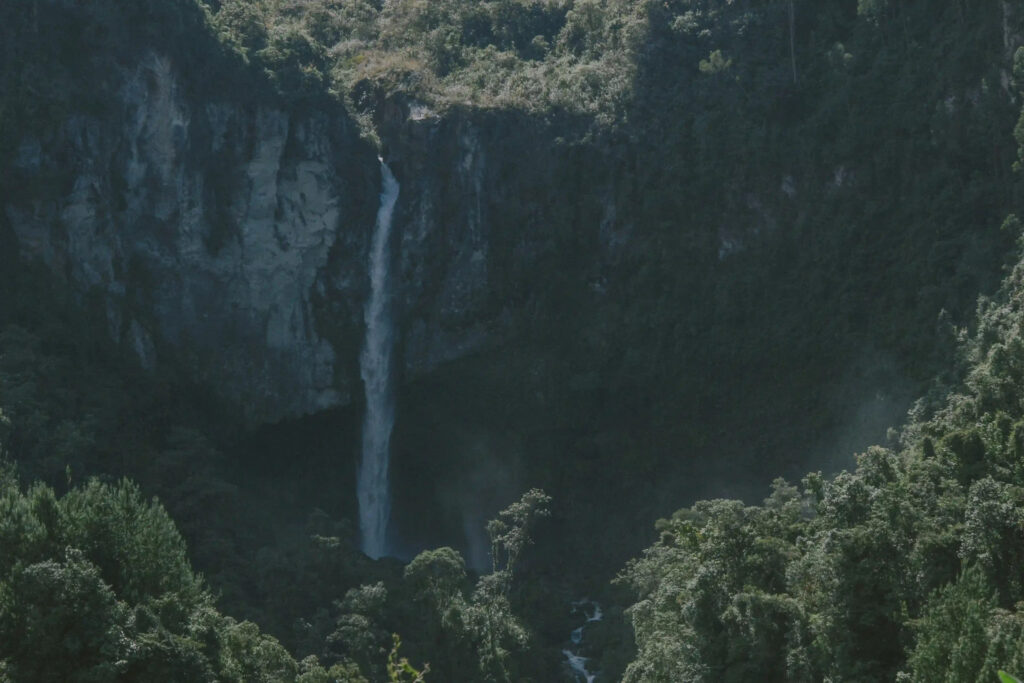
On the rugged coast of San Jacinto, a northern gateway town of 29,686 residents on Ticao Island, lies one of the most unique natural wonders in the Philippines: Catandayagan Falls. Unlike typical waterfalls that cascade into rivers or mountain pools, Catandayagan plunges directly into the open sea. This striking feature, framed by towering cliffs and surrounded by the turquoise waters of Masbate, makes it one of the island’s most remarkable attractions.
Ticao Island is known for its manta ray and whale shark diving spots and its mysterious ancient petroglyphs, but Catandayagan Falls adds another layer of wonder to the island’s landscape. It is both a geological marvel and a cultural treasure, drawing in travelers who seek experiences far from the ordinary.
The Allure of Catandayagan Falls
Catandayagan Falls is a single-drop waterfall that dramatically descends about 60 feet from a cliff face straight into the sea. Its power varies with the season. During the rainy months, the cascade is strong and thunderous, while in the dry months, it becomes gentler but no less enchanting.
The sight of fresh water mixing with salt water is mesmerizing. Boats circle the base of the falls, allowing visitors to feel the spray and witness the play of light on the cliffs. The dark limestone walls, streaked with minerals, create a natural stage for the curtain of white water. For many locals, the falls are not only beautiful but symbolic of nature’s generosity, providing water, life, and awe.
Experiences Around the Falls
Travelers can enjoy Catandayagan Falls in several ways:
- Boat Tours: Most visits are done by banca (outrigger boat), which gives the best vantage point for photography and appreciation.
- Swimming: Some tours allow swimming near the base, though visitors must take care with the currents and avoid rough seas.
- Photography: The waterfall is striking at midday, when the sun illuminates the turquoise waters, but late afternoons can offer softer light for dramatic shots.
- Cultural Connection: Speaking with local boatmen and guides often reveals stories about the falls, from folk tales to accounts of how the site has inspired community pride.
There are no developed facilities directly at the falls, making it a raw and authentic experience. Visitors are advised to bring their own water, snacks, and waterproof gear for cameras or phones.
San Jacinto and Its Coastal Identity
San Jacinto, though quieter than Monreal or other Ticao towns, is an important hub on the island. Fishing is central to its economy, and its markets reflect the bounty of surrounding seas. The town also plays a role as a starting point for many eco-tours, including trips to dive spots, island-hopping adventures, and excursions to Catandayagan Falls.
Local festivals celebrate both faith and livelihood, with processions, dancing, and food fairs that showcase the strength of community life. Visitors who spend time in town before or after their waterfall trip will discover a warm, hospitable community eager to share its stories and traditions.
Practical Travel Tips
- Best for Half-Day Trips: A visit to Catandayagan Falls is often combined with nearby island-hopping, making it a good part of a day-long itinerary.
- Bring Essentials: Since there are no shops near the falls, pack water, snacks, and sun protection.
- Hire Local Guides: Supporting local boat operators not only ensures safe navigation but also contributes directly to the community economy.
- Safety First: Swimming should only be attempted during calm seas, and always with guidance from locals who know the conditions.
How to Get There & Around
- From Masbate City: Travel by land or sea to Monreal or San Jacinto, then hire a boat bound for Catandayagan Falls.
- From Sorsogon (Pilar Port): There are boats to Monreal or San Jacinto, making access easier for visitors coming from Luzon.
Once in San Jacinto, boats can be hired at the port or arranged through local tour operators. Trips are often flexible, allowing travelers to combine the falls with visits to beaches, fishing villages, or even manta ray diving sites.
Best Time to Visit & Weather
The dry season (December to May) offers calmer seas and more predictable weather, making boat trips safer and more enjoyable. During this time, the falls may be gentler but still scenic. The rainy season (June to October), while riskier for boat travel, is when the waterfall is at its most powerful, cascading in a dramatic torrent.
Daytime temperatures average 27°C to 32°C, so lightweight clothing, sunscreen, and hats are essential. Travelers should always check sea conditions before booking a trip.
Responsible Travel
To help preserve the beauty of Catandayagan Falls:
- Do not throw trash in the sea or on the cliffs.
- Avoid using harmful sunscreens that can damage marine life.
- Respect local customs and pay fair rates to boat operators.
- Observe safety instructions, especially when swimming near the base.
By practicing mindful tourism, visitors can ensure that this natural wonder remains pristine for future generations.
Conclusion
Catandayagan Falls in San Jacinto is a rare sight: a waterfall that does not feed a river or pool but plunges directly into the sea. It embodies the wild, unpolished beauty of Ticao Island and reflects the deep connection between the people of San Jacinto and their natural environment.
Whether you visit to marvel at its raw power, to take photographs, or to connect with the stories of the local community, Catandayagan Falls promises an experience that lingers long after you leave.
Subscribe to our newsletter and get weekly updates on our blogs!