Introduction
Laing is a traditional Filipino dish made from taro leaves simmered in coconut milk, chili, and dried fish or meat. Deeply rooted in the culinary identity of the Bicol region, it highlights the locals’ love for gata (coconut milk) and spice. While it may appear simple, laing carries centuries of cultural tradition, local agricultural practices, and regional pride. It is both comfort food for Bicolanos and a unique culinary adventure for outsiders.
Historical and Regional Roots
The origins of laing trace back to the resourceful cooking traditions of Bicol, where coconut trees and chili peppers grow abundantly. Bicolanos are known for their creativity in turning readily available ingredients into flavorful meals. Taro leaves, once considered a humble crop, became a staple in households due to their availability and versatility.
The dish also reflects Bicolano resilience. Spicy food was said to help locals cope with the region’s hot and humid climate, while coconut milk brought richness and sustenance. Over time, laing evolved into one of the most celebrated Filipino regional specialties, now found on menus nationwide.
Key Ingredients and Preparation
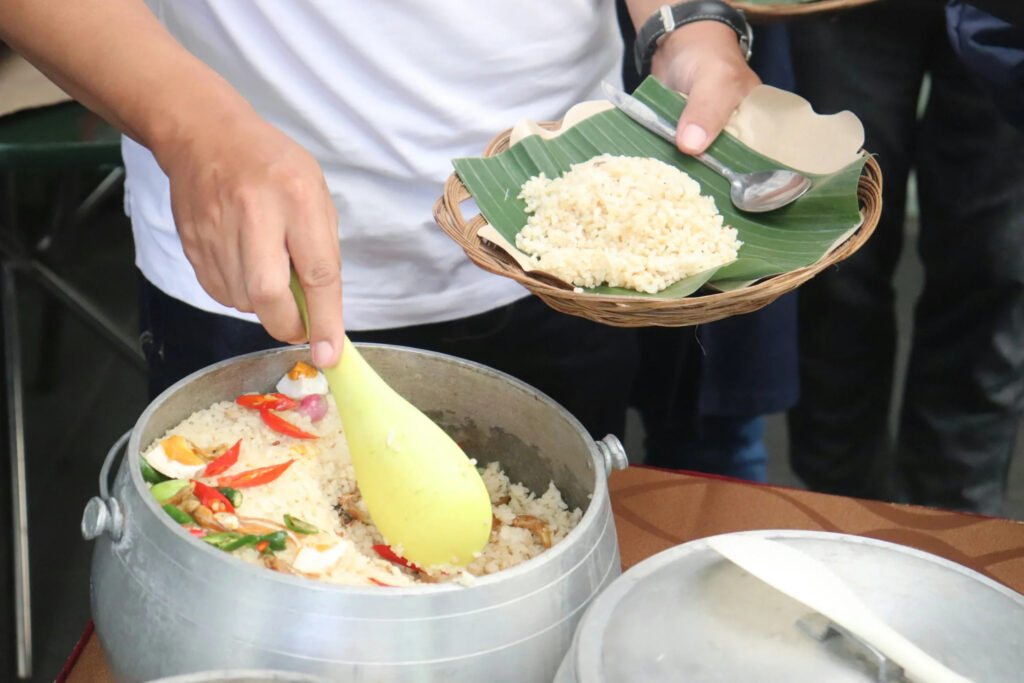
Laing is typically prepared with dried taro leaves, coconut milk, chili, and dried fish or pork. The leaves are simmered slowly, absorbing the richness of the coconut milk and the heat of the chilies. Some households add shrimp paste for extra depth, while others stick to dried seafood or pork for their protein.
Cooking laing requires patience. The leaves should not be stirred too early to avoid releasing an itch-causing sap, a trick often passed down through generations. Once done, the dish has a thick, creamy texture balanced by spice, creating a comforting yet fiery combination.
Cultural and Social Significance
Laing is more than just food, it is part of the cultural identity of Bicol. It is often prepared for family gatherings, fiestas, and festivals, symbolizing pride in local cuisine. Like other Filipino dishes, laing is best enjoyed with rice and shared among family members, reflecting the Filipino value of communal dining.
For many Bicolanos living outside the region, cooking laing is a way to stay connected with home. This emotional bond between food and memory underscores its cultural importance.
Financial and Practical Aspects
From a financial perspective, laing is practical and accessible. Taro leaves and coconuts are widely available across the Philippines, making the dish affordable for households. Its versatility allows families to stretch their resources by using dried fish or small amounts of pork, keeping the cost low while still providing a hearty meal.
In restaurants, laing has become a profitable dish because of its reputation as a must-try Filipino specialty. Even high-end establishments include it in their menus, sometimes with modern twists, showing its wide appeal across social classes.
Variations and Modern Takes
Modern chefs and home cooks have experimented with laing to suit different tastes. Some versions reduce the spice level for those less accustomed to heat, while others add seafood or tofu for variety. In urban settings, laing is often served as part of Bicol Express platters, pairing two iconic regional dishes together.
Outside the Philippines, laing is slowly gaining attention in communities with large Filipino populations. Its unique flavors introduce international diners to Bicolano culture, expanding appreciation for Philippine cuisine.
Travel and Culinary Identity
Visiting Bicol offers the best opportunity to experience authentic laing. Local eateries, markets, and family-owned restaurants each have their own way of preparing it, often with subtle differences in spice, richness, or choice of protein. For travelers, tasting laing in its home region is not only a culinary experience but also a cultural immersion into Bicolano life.
Food tourism in the Philippines often highlights dishes like laing because they represent more than just flavor. They tell a story of how geography, agriculture, and culture come together on a plate.
Conclusion
Laing is a dish that embodies the heart of Bicol: spicy, rich, and deeply tied to tradition. Made from humble taro leaves and elevated by coconut milk and chili, it represents both comfort and pride for locals while offering travelers a glimpse into regional Filipino cuisine. Whether eaten at home or discovered while traveling through Bicol, laing stands as one of the Philippines’ culinary treasures worth celebrating and sharing.
Subscribe to our newsletter and get weekly updates on our blogs!