Cebu, one of the most dynamic islands in the Visayas, is a destination that blends urban energy with natural charm. Known for offering a mix of city life, historical landmarks, and access to some of the most beautiful islands in the Philippines, Cebu is a place where modernity and tradition meet. Its fun fact highlights this balance: Cebu offers a combination of urban and natural attractions, including historical sites and stunning islands. For travelers, Cebu is both a gateway and a destination in itself, promising experiences that cover culture, adventure, and relaxation.
Cebu’s Unique Character
Cebu holds a special place in Philippine history and culture. It was here that Portuguese explorer Ferdinand Magellan, sailing under Spain, first landed in 1521, making Cebu one of the earliest points of European contact in the archipelago. Today, that history is preserved in monuments, churches, and traditions that continue to shape local identity.
With its large population and bustling economy, Cebu is also one of the most developed provinces in the country. Cebu City, the “Queen City of the South,” serves as a hub for commerce, education, and culture. Yet only a short drive from the city, travelers find waterfalls, white-sand beaches, and marine sanctuaries that offer respite from urban life. This duality is what makes Cebu truly distinct.
History, Culture, and Lifestyle
Cebu’s history is rich and layered. The Magellan’s Cross in Cebu City is one of the most iconic landmarks, commemorating the introduction of Christianity to the Philippines. The Basilica del Santo Niño, which houses the country’s oldest religious relic, is another major site of devotion and history. These places underscore how deeply faith is interwoven with daily life in Cebu.
Culturally, Cebu is known for its music, crafts, and cuisine. The Sinulog Festival, held every January, is one of the largest and most vibrant festivals in the country, featuring street dancing, parades, and religious processions. This event showcases the blend of indigenous and colonial traditions that define Cebuano culture.
Lifestyle on the island ranges from the fast pace of Cebu City to the slow, coastal rhythms of towns like Moalboal, Malapascua, and Bantayan. Fishing, farming, and tourism remain major livelihoods, but the younger generation increasingly works in business process outsourcing and technology, reflecting Cebu’s role as a modern economic hub.
Attractions and Experiences
Cebu’s diversity ensures that travelers can find experiences to suit every interest.
- Historical Sites
The Magellan’s Cross, Basilica del Santo Niño, and Fort San Pedro are central to understanding Cebu’s colonial past. The Casa Gorordo Museum and heritage streets in downtown Cebu City offer further insight into the island’s history and architecture. - Waterfalls and Mountains
Kawasan Falls in Badian is perhaps the most famous waterfall, known for its turquoise waters and canyoneering adventures. Osmeña Peak, the highest point in Cebu, provides panoramic views of jagged hills and surrounding islands. - Beaches and Diving Spots
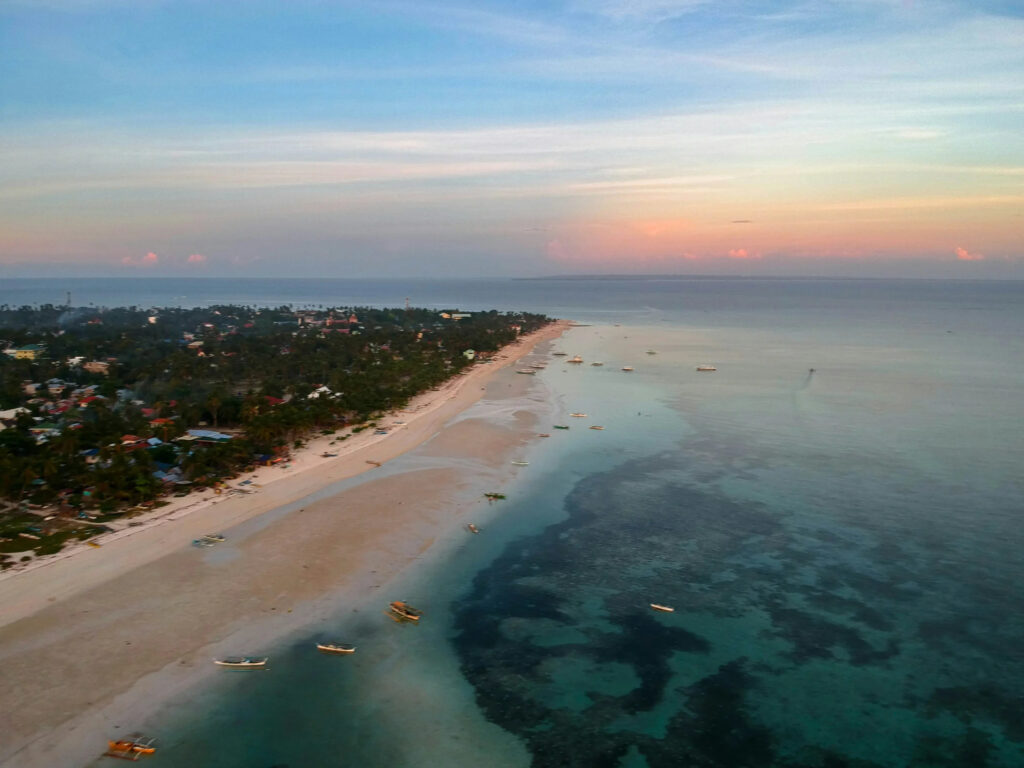
Cebu is surrounded by smaller islands that are perfect for beach lovers and divers. Moalboal is renowned for its sardine run and rich marine biodiversity. Malapascua is world-famous for thresher shark diving, while Bantayan Island charms visitors with its laid-back vibe and white-sand beaches. - Island-Hopping Adventures
From Cebu’s northern and southern coasts, boat trips allow visitors to explore islets and marine sanctuaries. Snorkeling, diving, and simply enjoying secluded beaches make these trips highlights of any visit. - Urban Energy
Cebu City is not only about history but also about modern life. It offers shopping malls, art galleries, and food experiences that showcase both international and Cebuano flavors.
How to Get There & Around
Cebu is one of the most accessible islands in the Philippines. Mactan-Cebu International Airport connects directly to Manila, Davao, and many international cities across Asia. Ferries from Bohol, Leyte, and other Visayan islands also make Cebu a major transport hub.
Getting around the island depends on the destination. Within Cebu City, taxis and ride-hailing apps are widely available. For exploring beyond the city, buses, vans, and motorcycles connect towns. Travelers heading to northern or southern attractions often take a combination of buses and ferries, while those who want more freedom may choose to rent a car or motorbike.
Best Time to Visit & Weather
Cebu has a tropical climate with temperatures averaging 25°C to 32°C. The dry season, from December to May, is the best time to visit. January is particularly popular due to the Sinulog Festival, though accommodations and flights are more expensive during this time.
The rainy season runs from June to November, with heavier showers and the possibility of storms. While travel is still possible, visitors should plan around weather conditions, especially for island-hopping and diving.
Typical Costs and Practical Tips
Cebu caters to a wide range of budgets.
- Accommodation: Budget hostels in Cebu City and Moalboal start at ₱700–₱1,000 per night. Mid-range hotels and resorts cost between ₱2,000–₱3,500, while luxury beachfront resorts on Mactan or Bantayan can go higher.
- Food: Meals at carinderias (local eateries) cost about ₱100–₱200. Mid-range restaurants average ₱400–₱600 per person, while fine dining in Cebu City or luxury resorts can exceed ₱1,000.
- Transport: Jeepney fares start at ₱10–₱15, while bus fares for longer routes can range from ₱150–₱300. Island-hopping tours cost between ₱1,500–₱3,000 depending on the group size and itinerary.
Travelers should bring cash for rural areas, as ATMs are mostly located in urban centers. Booking ferries and accommodations in advance during peak season ensures smoother travel.
Food, Markets, and Traditions
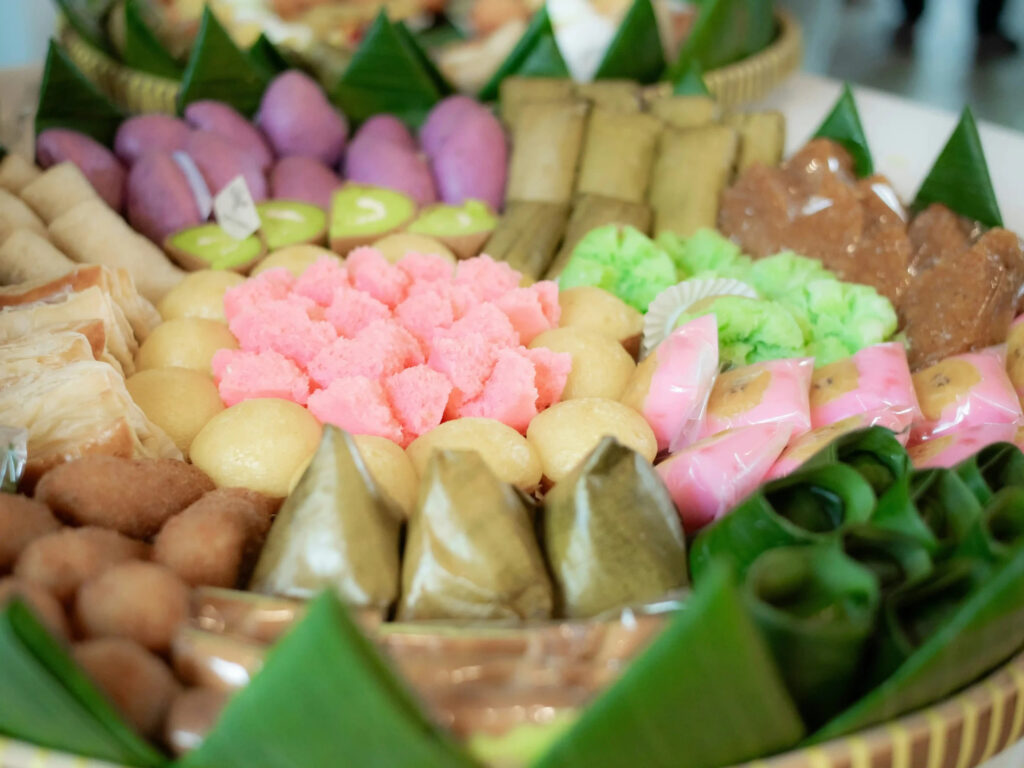
Cebu is a culinary hub, known nationwide for lechon, often considered the best roasted pig in the Philippines. Beyond this, visitors can enjoy a wide variety of seafood, barbecue, and rice-based delicacies. Dried mangoes and otap (crispy sugar biscuits) are popular souvenirs.
Markets such as Carbon Market in Cebu City provide a lively look into local trade, offering produce, crafts, and household goods. Night markets and food stalls also highlight Cebu’s street food culture.
Traditions remain strong, particularly in rural areas where town fiestas are central to community life. Music, dancing, and religious processions bring people together, offering visitors a chance to join in celebrations that are both festive and deeply meaningful.
Responsible Travel in Cebu
Cebu’s growing popularity requires responsible travel practices. At historical sites, respect preservation efforts and avoid damaging relics. On beaches and islands, minimize plastic use, avoid touching corals, and follow local guidelines. Supporting small businesses, staying in eco-friendly resorts, and hiring local guides contribute directly to community development.
Conclusion
Cebu is more than just a travel hub; it is a destination that offers the best of both worlds. Its mix of urban energy, historical depth, natural attractions, and nearby islands ensures that every type of traveler finds something to enjoy. From diving with thresher sharks in Malapascua to joining the Sinulog Festival in Cebu City, the island promises experiences that stay with you long after your trip.
For those seeking a destination that combines history, culture, nature, and modern comforts, Cebu in the Visayas is an island that delivers it all.
Subscribe to our newsletter and get weekly updates on our blogs!