Introduction to Busuanga
Busuanga, a municipality in northern Palawan with a population of about 25,617 people, is often overshadowed by its more famous neighbor, Coron. Yet for eco-travelers and outdoor enthusiasts, Busuanga presents a different kind of adventure. Its rugged landscapes, winding rivers, and island-dotted seas provide opportunities for kayaking, hiking, and camping that showcase Palawan’s untamed beauty.
Palawan is nicknamed the “Last Frontier” because of its preserved natural environment and globally significant sites, such as the Puerto Princesa Underground River and the Tubbataha Reef. Busuanga embodies this spirit, offering experiences that connect travelers directly with nature while promoting sustainability and respect for the land and sea.
Kayaking Through Rivers and Coastlines
One of the most rewarding ways to explore Busuanga is by kayak. The municipality is surrounded by calm bays and winding mangrove rivers that are ideal for paddling. Kayaking here allows travelers to experience ecosystems up close, gliding past limestone cliffs, exploring narrow waterways shaded by mangroves, and spotting wildlife such as herons and kingfishers.
Kayak rentals are available in select resorts and eco-lodges, with half-day rates starting around ₱500 to ₱800. Guided tours often include environmental education, highlighting how mangroves protect coastlines and serve as nurseries for marine life. For those with more time, coastal kayaking between small islands can be arranged, offering pristine beaches as rest stops along the way.
The pace of kayaking makes it both an adventure and a meditative experience. Unlike motorized boats, kayaks provide quiet access to remote areas, reducing environmental impact while enhancing the sense of connection to nature.
Hiking Trails and Inland Exploration
Beyond its coastlines, Busuanga’s inland areas invite hikers to discover rolling hills, grasslands, and forested ridges. Trails vary in difficulty, from short hikes suitable for beginners to longer treks that require guides and preparation.
One popular activity is hiking up hills that provide panoramic views of the Calamianes group of islands. From these vantage points, the landscape unfolds in layers of green and blue, with fishing villages and bays visible in the distance. Sunrise and sunset hikes are particularly rewarding, offering dramatic light and cooler temperatures.
For those interested in biodiversity, some trails pass through areas where endemic plants and bird species thrive. Hiring local guides ensures safety and provides cultural insights into how communities rely on the land for food and resources. Hike fees are generally modest, with guides charging ₱500 to ₱1,000 depending on the route and group size.
Camping in Untouched Landscapes
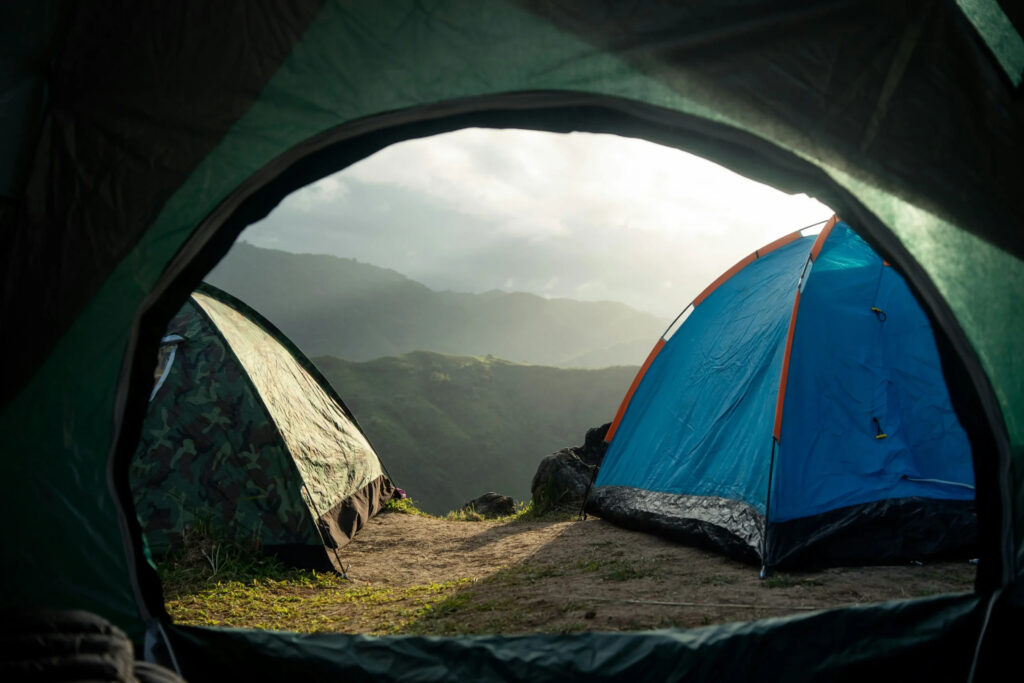
Camping in Busuanga allows travelers to extend their adventures into the night, under skies free from city lights. Whether on a remote island beach or an inland clearing, camping offers the chance to disconnect from modern distractions and fully embrace the wilderness.
Many island-hopping tours in Busuanga can be customized to include overnight camping. Local boatmen bring travelers to uninhabited islands where tents can be set up along white sand shores. Fees for such trips typically range from ₱2,500 to ₱4,000 per group, including boat transport and basic equipment.
Inland camping is also possible with the help of local guides. While facilities may be limited, the reward is privacy and immersion in Palawan’s natural environment. Travelers should bring reusable cooking gear, mosquito protection, and proper waste management supplies to ensure a low-impact stay.
Community and Cultural Connections
Outdoor adventures in Busuanga often intersect with local community life. Fishermen sometimes serve as guides, sharing knowledge of tides, fishing grounds, and safe camping sites. Villages welcome visitors with simple meals featuring fresh seafood, rice, and vegetables, usually costing between ₱100 and ₱200 per plate.
Markets in Busuanga provide supplies for camping trips, including fish, fruits, and local snacks. Supporting these markets not only ensures fresh provisions but also keeps tourism income within the community. By engaging with locals respectfully, travelers gain a deeper understanding of the rhythms of life that have sustained these communities for generations.
How to Get There & Around
Busuanga is accessible via Francisco B. Reyes Airport, with flights available from Manila and Cebu. From the airport, vans and tricycles connect travelers to towns and villages. Coron town, located nearby, is often used as a base, though Busuanga itself has resorts and eco-lodges catering to nature-focused travelers.
Within the municipality, tricycles are practical for short distances, while renting a motorcycle for around ₱500–₱700 per day offers flexibility to reach trailheads, rivers, and coastal areas. For island camping or kayaking trips, boat rentals with local operators are essential.
Best Time to Visit & Weather
The best time to explore Busuanga is during the dry season from November to May. Calm seas make kayaking and island camping more reliable, while clear skies enhance hiking experiences. Average temperatures during this period range from 25°C to 31°C.
From June to October, the rainy season brings heavy showers and rough seas. Some outdoor activities may be disrupted, but travelers who do visit during this time will find fewer crowds and lush landscapes. Flexibility is necessary, as schedules may change due to weather.
Responsible Adventure Travel
Eco-travel in Busuanga comes with responsibilities. Travelers are encouraged to follow Leave No Trace principles: pack out all waste, use refillable bottles, and avoid damaging coral or mangroves. Hiring local guides ensures safety and supports livelihoods, while staying in eco-friendly accommodations reduces environmental impact.
Respecting cultural practices is equally important. Dress modestly when passing through villages, ask before taking photos, and show courtesy to locals who share their spaces and knowledge. Responsible tourism ensures that the natural and cultural treasures of Busuanga remain for future generations.
Conclusion
Busuanga may not have the polished infrastructure of other destinations, but for eco-travelers seeking authentic adventures, it offers some of Palawan’s most rewarding experiences. From kayaking through mangroves to hiking scenic trails and camping on remote islands, the municipality provides opportunities to connect deeply with nature and community. The challenges of travel here are part of the reward, reminding visitors that true adventure lies not just in the destination but in the journey itself.
Subscribe to our newsletter and get weekly updates on our blogs!