Introduction
Kadayawan Festival (Davao City, August) is one of the Philippines’ most vibrant celebrations. It is described as a festival of life, bounty, nature, culture, and thanksgiving for the gifts of the land. Every August, Davao transforms into a city of colors, music, and movement, with events that honor the region’s indigenous roots, agricultural wealth, and unity. The strong themes of gratitude and cultural expression provide more than enough depth for a complete festival blog.
History and Meaning
The name “Kadayawan” comes from the Mandaya word madayaw, meaning “good,” “valuable,” or “beautiful.” The festival was institutionalized in the 1980s, but its roots stretch far earlier to indigenous thanksgiving rituals for a plentiful harvest. Tribes of the Davao region traditionally offered fruits, flowers, and harvest items to deities as thanks for nature’s blessings.
Today, Kadayawan preserves this practice in a modern form. While the parades and contests have grown in scale, the heart of the festival remains gratitude: gratitude to the land, to cultural traditions, and to the harmony among Davao’s people.
Parades, Performances, and Key Events
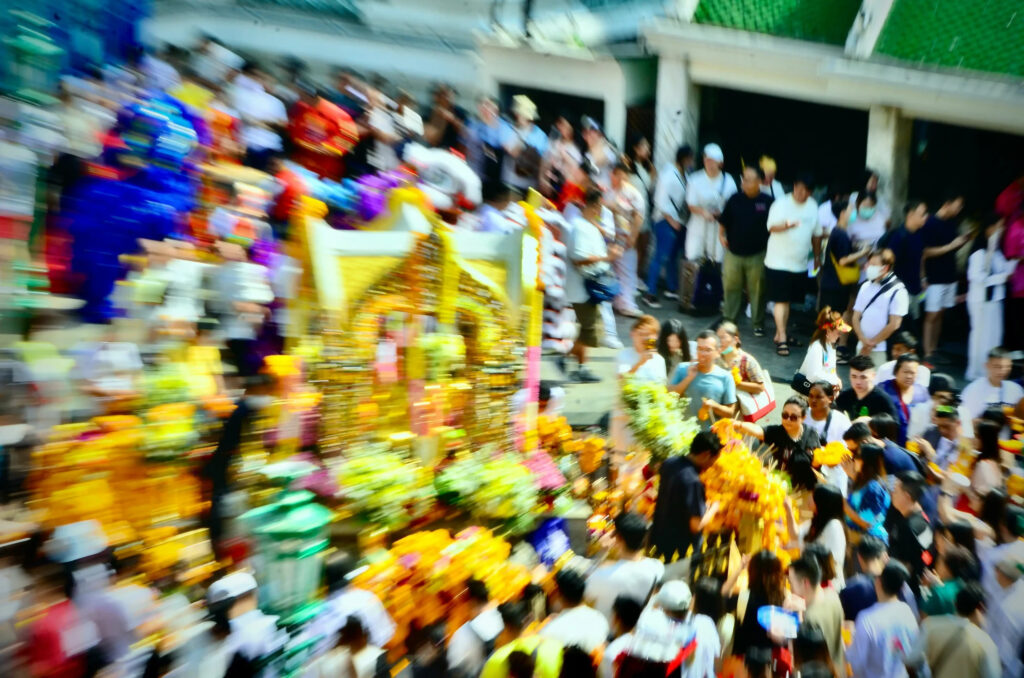
The Grand Parade is the highlight of Kadayawan. It features floats covered in fresh fruits, vegetables, and flowers from the fertile lands of Mindanao. Each float tells a story, sometimes about tribal legends, sometimes about the bounty of Davao’s soil.
The Indak-Indak sa Kadalanan (street dancing) is another major event. Groups in colorful tribal costumes perform choreographed dances that echo traditional rituals. Drumbeats and chants fill the air as performers reenact harvest ceremonies, battles, and courtship dances. This spectacle is both performance and preservation, passing cultural memory to the next generation.
Other activities include agricultural trade fairs, art exhibits, and the selection of the “Hiyas sa Kadayawan,” a pageant that highlights the knowledge and grace of young women from indigenous communities.
Food, Markets, and Local Life
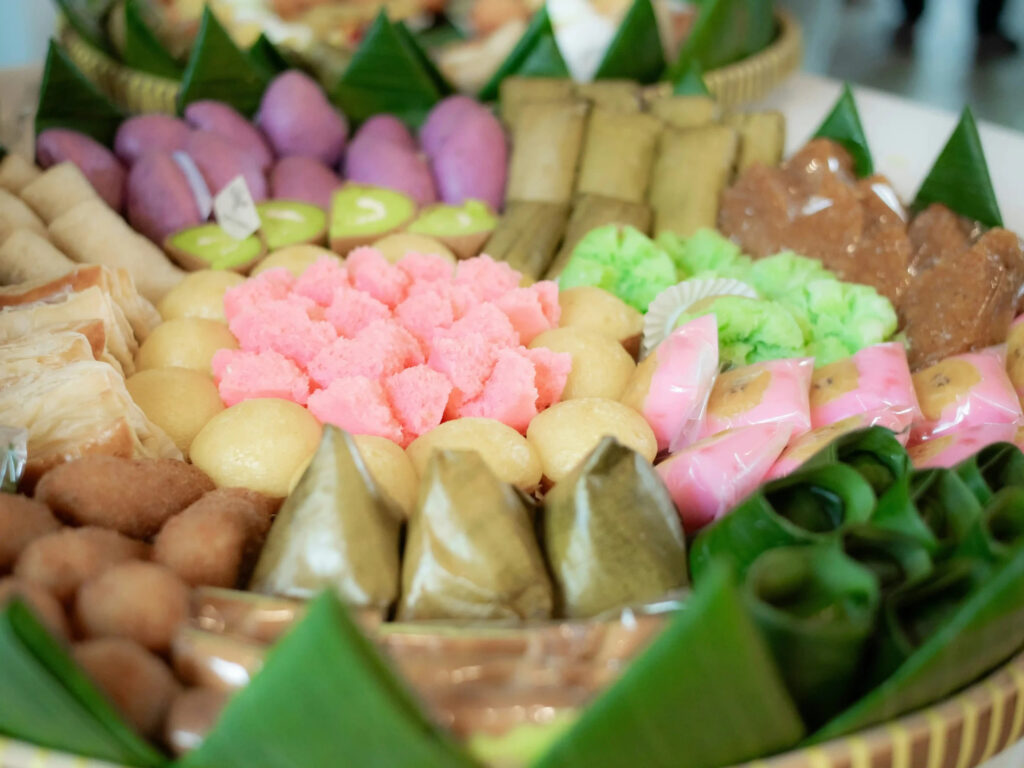
Davao is famous for its fruits, and Kadayawan is the perfect time to taste them. Durian, mangosteen, pomelo, and lanzones are abundant during August. Fruit stands line the streets, and tasting sessions are often part of the celebration. Local eateries also serve dishes made from these seasonal crops, offering visitors a chance to sample Mindanao’s agricultural identity in every bite.
Markets are lively with crafts, woven textiles, and handmade jewelry from tribal artisans. Supporting these vendors not only provides authentic souvenirs but also sustains cultural livelihoods. Families open their homes to relatives and friends, and the spirit of hospitality is evident in how locals invite guests to join meals or celebrations.
Practical Tips for Visitors
Because Kadayawan draws large crowds, plan your visit carefully. Wear comfortable walking shoes, light clothing, and carry water to stay hydrated under the tropical sun. Davao’s security protocols are strict, with checkpoints and bag inspections common, so bring only essentials.
Book accommodations early, as hotels in the city center fill quickly during August. If staying farther out, factor in transport times since road closures and rerouting are common during parade days. Be patient with traffic and consider walking short distances to reach event areas faster.
How to Get There & Around
Davao City is accessible by direct flights from Manila, Cebu, and other regional hubs. Francisco Bangoy International Airport serves as the gateway, with taxis and ride-hailing services connecting you to the city center. During Kadayawan, streets are often closed for parades, so walking becomes the most practical way to move between venues.
Best Time to Visit & Weather
The festival takes place every August, coinciding with the fruit harvest season. Expect warm and humid conditions, with daytime temperatures ranging between 25–32 °C. Rain showers are possible, so carry a compact umbrella or rain jacket. Early mornings and evenings are more comfortable for long walks, while midday is best spent resting or enjoying indoor exhibits.
Costs and Budgeting
Viewing the street parades and many public events is free. Major expenses include accommodations, food, and transport. Fruit prices are generally affordable during harvest season, though premium varieties of durian or pomelo may cost more. Souvenirs range from inexpensive trinkets to high-quality tribal crafts.
Responsible Travel and Etiquette
Respect for indigenous culture is central to Kadayawan. When watching dances or rituals, do not treat them as novelty acts. Acknowledge their role in cultural preservation. Ask permission before taking close-up photos of performers or artisans, especially in tribal attire. Dispose of waste properly, carry refillable bottles, and avoid using single-use plastics.
Support local products and businesses, as this helps ensure that festival benefits are shared across the community. If you buy crafts, ask about the meaning of the patterns or designs to deepen your understanding of their significance.
Conclusion
Kadayawan Festival (Davao City, August) is more than a celebration. It is a living tradition of gratitude that unites faith, culture, and community pride. From floats covered in fruits and flowers to the dances that honor indigenous memory, Kadayawan is an invitation to celebrate abundance with respect. Visiting the festival means not just watching a show but participating in a collective thanksgiving for the beauty and bounty of the land. Prepare well, travel responsibly, and let the spirit of Kadayawan enrich your experience of Davao.
Subscribe to our newsletter and get weekly updates on our blogs!