Introduction to Baguio
Baguio, a city in Benguet with a population of more than 366,000, has long been celebrated as the “Summer Capital of the Philippines.” Perched high in the Cordillera Mountains of northern Luzon, the city has an average elevation of about 1,540 meters, giving it a cool climate that contrasts sharply with the tropical heat of the lowlands. This natural advantage, combined with its historical role during the American colonial period, explains why Baguio was designated as the country’s summer capital. Today, it remains one of the most beloved destinations in the Philippines, known for its pine-covered hills, vibrant culture, and unique blend of tradition and modernity.
The Origins of the Summer Capital
The title of “Summer Capital” dates back to the early 1900s, when the American colonial government sought a retreat from the intense heat of Manila. They found in Baguio a place with a temperate climate, ideal for rest and governance during the hottest months of the year. In 1903, the Philippine Commission officially declared Baguio as the summer capital, and soon after, the Americans began constructing roads, buildings, and recreational facilities that would shape the city’s character. This move cemented Baguio’s role not only as a seasonal seat of government but also as a cultural center in the north.
American Colonial Influence on the City
The American colonial period left a lasting imprint on Baguio’s architecture and layout. The famous Kennon Road, completed in 1905, linked the city to the lowlands and made it more accessible. Burnham Park, designed by American architect Daniel Burnham, became the heart of the city and remains a favorite gathering spot for both locals and visitors. Educational institutions such as Teachers Camp were also established, reinforcing Baguio’s role as a center of learning and governance. Many of these colonial-era landmarks still stand today, serving as reminders of a chapter in the city’s history that shaped its enduring appeal.
The Enduring Appeal of Baguio
Baguio continues to attract visitors not only for its cool weather but also for its cultural richness. The city is famous for its thriving art scene, lively markets, and annual festivals. The Panagbenga Festival, held every February, transforms the city into a spectacle of flowers, street dances, and parades that celebrate both nature and community pride. Baguio is also a hub for local crafts, with weaving, woodcarving, and silverwork among the traditional industries still practiced in the area. Visitors often leave with handwoven textiles or locally made souvenirs that reflect the city’s cultural identity.
Fun Fact: Luzon’s Natural Wonders
Baguio’s distinction as the summer capital is just one of the many reasons Luzon stands out. Luzon is the Philippines’ largest island and hosts not only Baguio but also Mount Pulag, the highest peak in Luzon. Mount Pulag is famous for its “sea of clouds,” a breathtaking sight that hikers often experience at sunrise after an overnight climb. This fun fact highlights how Baguio is part of a wider Luzon story, where natural wonders and cultural landmarks exist side by side. For many travelers, combining a trip to Baguio with an adventure to Mount Pulag offers a fuller appreciation of northern Luzon.
Local Culture, Food, and Markets
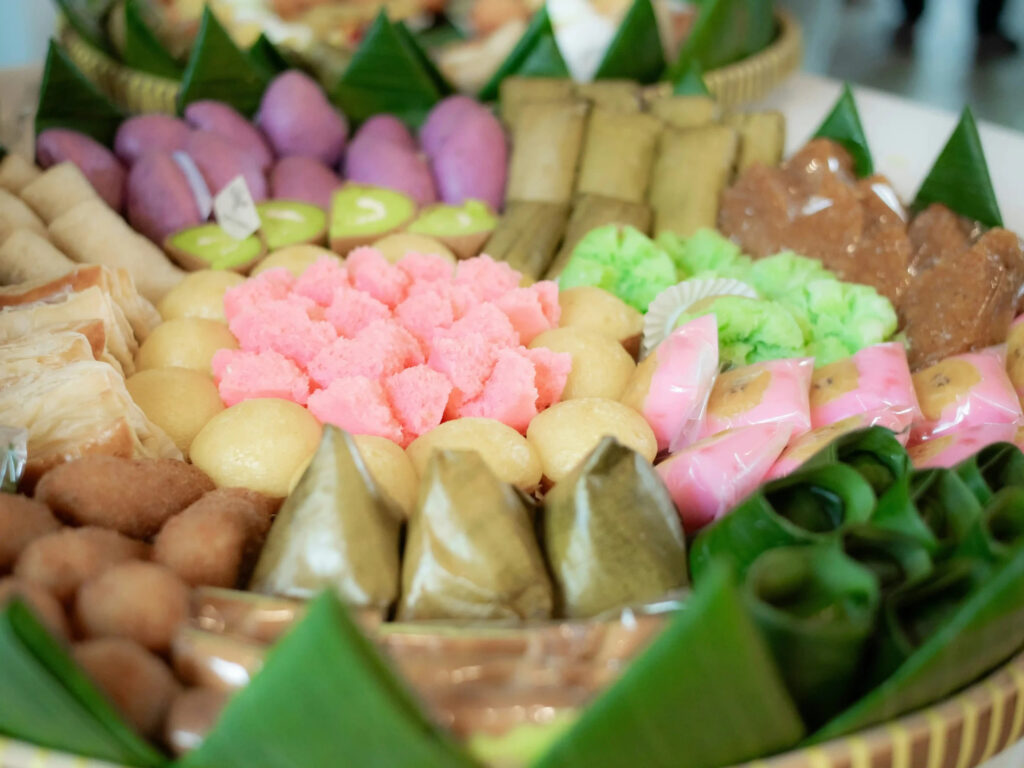
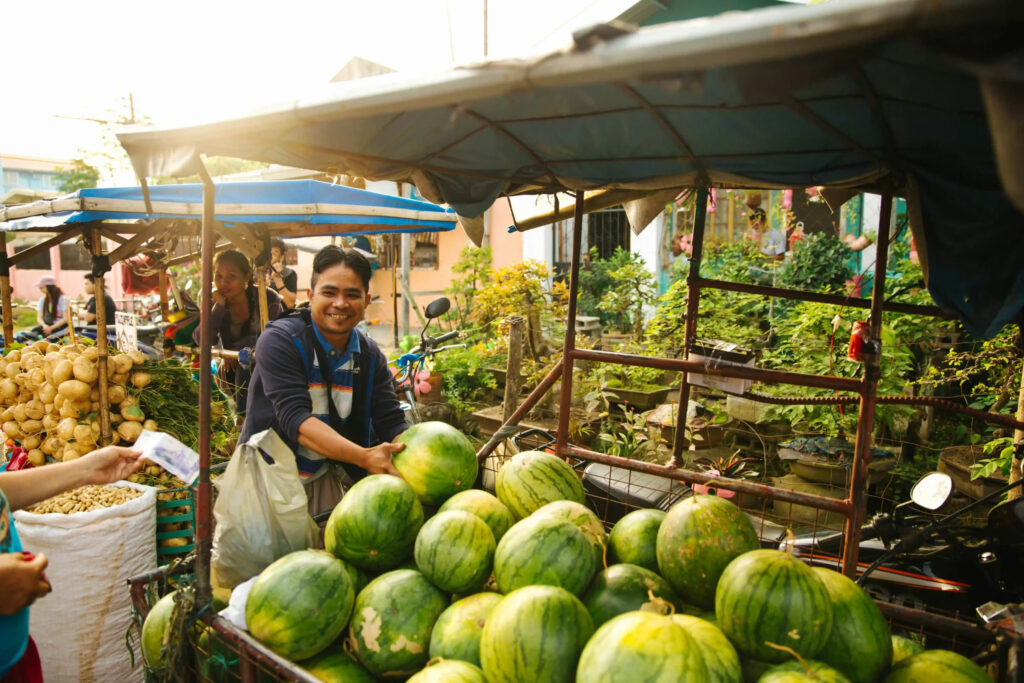
Baguio’s markets are integral to the city’s charm. The Baguio Public Market offers a wide range of products, from fresh vegetables grown in the highlands to woven crafts and souvenirs. Strawberries from nearby La Trinidad are a must-try, often sold fresh or in the form of jams and preserves. Ukay-ukay thrift shops, popular throughout the city, add a unique layer to the shopping experience. For food lovers, Baguio is known for specialties like strawberry taho, ube jam from Good Shepherd, and locally grown coffee. Dining options range from street food stalls to cozy cafés where visitors can enjoy the cool weather alongside warm meals.
How to Get There & Around
Baguio is about 250 kilometers north of Manila and can be reached by bus or private car. Travel time ranges from five to seven hours depending on traffic and route. Victory Liner and other bus companies operate regular trips to Baguio, with fares starting at around ₱500. For those driving, the scenic routes of TPLEX and Kennon Road offer contrasting experiences of modern highways and winding mountain roads. Within the city, taxis and jeepneys are the most common forms of transport, with fares starting at ₱10 to ₱15. Walking is also pleasant, especially around Burnham Park and Session Road.
Best Time to Visit & Weather
Baguio’s appeal lies in its year-round cool climate, with average temperatures ranging from 15°C to 23°C. This makes it a welcome escape from the heat of the lowlands at any time of the year. However, the peak season is during the summer months of March to May, when many Filipinos flock to the city. February is also a popular time to visit because of the Panagbenga Festival. The rainy season, from June to October, brings frequent showers, so visitors should plan accordingly.
Responsible Travel and Community Respect
Travelers are encouraged to respect Baguio’s environment and community traditions. With its growing population and popularity as a tourist hub, the city faces challenges such as waste management and traffic congestion. Visitors can help by reducing plastic use, supporting local artisans, and being mindful when visiting cultural or religious sites. Engaging respectfully with local communities ensures that the spirit of Baguio as a summer capital continues to thrive sustainably.
Conclusion
Baguio’s designation as the Summer Capital of the Philippines is more than a historical title. It reflects the city’s unique combination of natural climate, colonial heritage, and vibrant culture. From its beginnings as an American retreat to its present role as a cultural and tourist hub, Baguio has maintained its appeal across generations. Whether enjoying the cool weather, exploring its markets, or learning about its history, visitors to Baguio experience a city that continues to embody both tradition and progress. For anyone seeking a refreshing and meaningful journey in Luzon, Baguio remains a destination worth revisiting.
Subscribe to our newsletter and get weekly updates on our blogs!