Introduction
Moriones Festival (Marinduque, Holy Week / Easter) is one of the Philippines’ most distinctive religious and cultural events. Participants wear Roman soldier costumes and masks to reenact the story of Longinus, the centurion who pierced Christ’s side during the crucifixion and later converted to Christianity. With its blend of devotion, performance, and tradition, the festival provides enough depth for a full blog post that explores faith, history, community life, and practical travel insights.
Origins and Religious Significance
The Moriones Festival dates back to the 19th century, when Spanish friars introduced the practice as part of Holy Week activities. The name “Moriones” comes from the word “morion,” which refers to the masks and helmets worn by Roman soldiers during medieval times. Over the years, the tradition grew into a week-long community event.
At its core, the festival is a passion play that focuses on Longinus. According to Christian tradition, Longinus was blind in one eye. When blood from Christ’s side touched him, his sight was restored, leading to his conversion. The story is retold through dramatizations and processions, reminding devotees of themes of redemption, faith, and forgiveness.
Masks, Costumes, and Performances
The most recognizable feature of the Moriones Festival is the costume. Participants wear elaborate Roman soldier outfits with brightly painted masks, plumed helmets, and armor. The artistry involved in creating these costumes is impressive, with local craftsmen devoting weeks to carving, painting, and perfecting each mask.
During Holy Week, “Moriones” roam the streets of Marinduque, creating an atmosphere that is equal parts theatrical and devotional. The climax comes with the reenactment of Longinus’s capture and execution, which is staged in various towns across the island. This performance is not only entertainment but also a reflection of the community’s commitment to passing on a story of faith across generations.
Community Life and Local Traditions
The Moriones Festival is deeply woven into Marinduque’s community life. Families prepare costumes, local businesses decorate their storefronts, and parishes organize processions. The streets become a stage, but they also serve as gathering points where residents and visitors share meals and conversations.
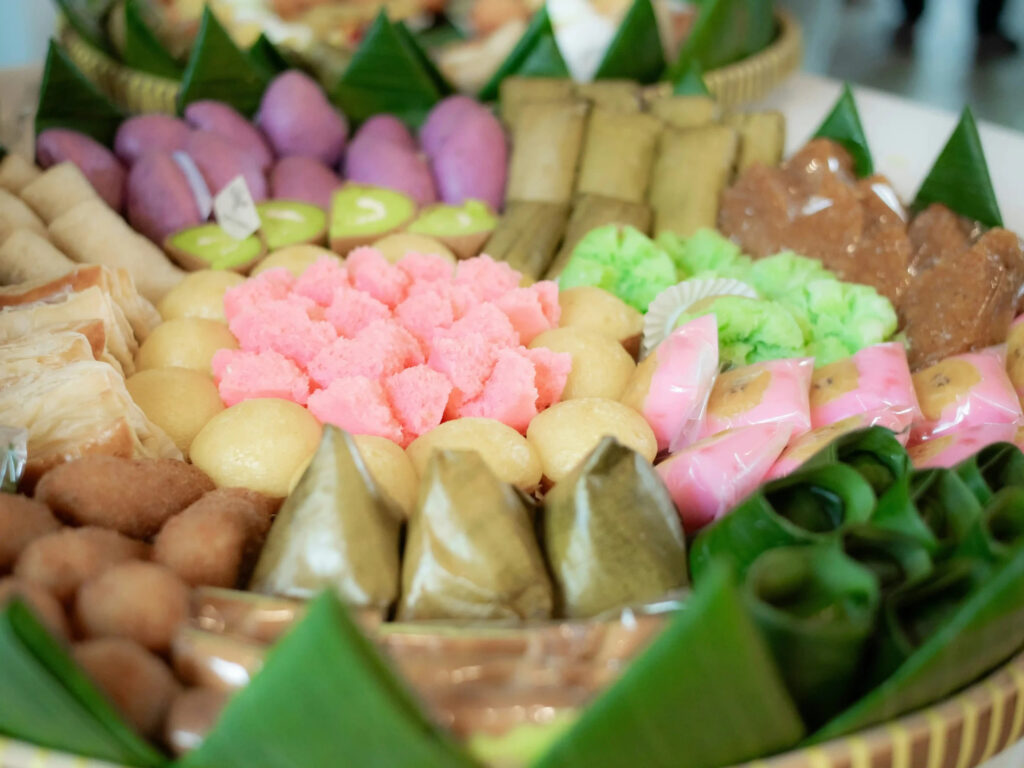
Food plays an important role during the festival season. Local dishes such as bibingka (rice cake cooked in clay pots lined with banana leaves) and kalamay-hati (a sticky coconut and glutinous rice delicacy) are common offerings. Visitors also find small markets selling crafts, religious souvenirs, and snacks that add to the festive spirit.
Practical Tips for Visitors
Attending the Moriones Festival requires both preparation and respect. Since it coincides with Holy Week, travel demand is high, and accommodations in Marinduque fill quickly. Book well in advance and expect higher prices.
Bring modest clothing, as the festival is rooted in religious observance. While casual attire is acceptable, respect for the solemnity of certain events is important. Comfortable shoes are also essential, as many activities involve walking through town streets under the sun.
How to Get There & Around
Marinduque is accessible by sea and air. Ferries connect from Lucena in Quezon Province to Marinduque’s ports, while limited flights serve the island from Manila. Once on the island, jeepneys, tricycles, and vans provide transport between towns. During festival days, road closures and rerouting may be in place, so plan extra travel time.
Best Time to Visit & Weather
The Moriones Festival takes place during Holy Week, which usually falls in March or April. This period is part of the dry season in the Philippines. Expect hot weather, with daytime temperatures ranging from 28–34 °C. Carry water, sun protection, and a small towel for comfort during long hours outdoors.
Costs and Budgeting
Public processions and plays are free to watch. Costs for visitors are mainly accommodation, food, and transport. Souvenirs, masks, or crafts vary in price depending on quality and craftsmanship.
Responsible Travel and Etiquette
The Moriones Festival is primarily an expression of faith. While the costumes and performances are striking, they should not be treated as mere spectacles. Be respectful when taking photos, particularly during religious services. Ask permission before taking close-up shots of participants in costume.
Dispose of waste properly, bring a refillable water bottle, and avoid adding to the island’s environmental burden during peak travel season. Support local artisans and food vendors, especially those selling handmade crafts or traditional delicacies, as this helps sustain the cultural economy of Marinduque.
Conclusion
Moriones Festival (Marinduque, Holy Week / Easter) is a unique celebration that blends artistry, performance, and faith into a living tradition. The Roman soldier masks, the story of Longinus, and the participation of entire communities all contribute to its enduring character. To attend is not only to watch a play but to witness how a small island sustains its identity through devotion and creativity. Prepare thoughtfully, observe respectfully, and let the Moriones remind you of the deeper meaning behind Holy Week.
Subscribe to our newsletter and get weekly updates on our blogs!