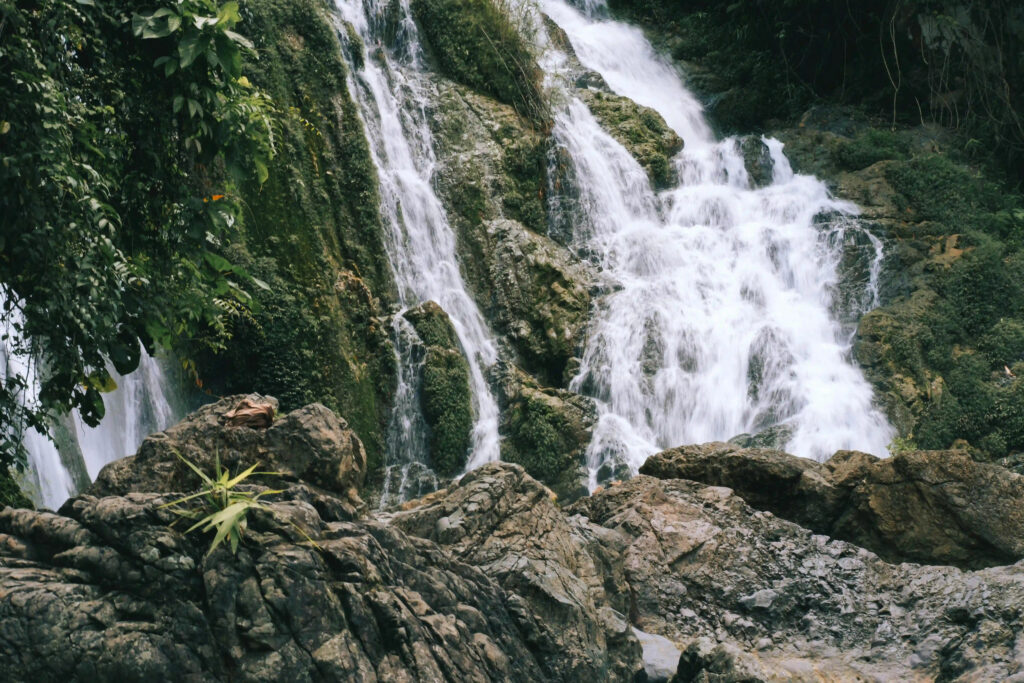
Introduction to Antipolo and Hinulugang Taktak
Antipolo, a city in Rizal province with a population of nearly 887,000, has long been associated with pilgrimage, panoramic views, and traditional delicacies like suman, mangga, and cashew nuts. Yet one landmark stands out not only for its natural beauty but also for its cultural imprint: Hinulugang Taktak. Known from a popular folk song, this waterfall is more than a scenic attraction. It is a site that reflects both the environmental challenges and the resilience of Antipolo’s community.
Over the years, Hinulugang Taktak has transformed from a leisure spot into a protected national park, representing both heritage and renewal. Its story is as much about the city’s identity as it is about the falls themselves.
History and Folklore of the Falls
The name “Hinulugang Taktak” literally means “where the bell was dropped.” Local lore recounts that during the Spanish colonial period, a large church bell was thrown into the falls because it was too heavy to ring. This legend gave the falls its distinct name and bound it to the city’s religious and cultural life.
Hinulugang Taktak also entered popular consciousness through the traditional folk song “Tayo na sa Antipolo,” which celebrated the falls as a beloved excursion site for families and travelers from Manila. For decades, it symbolized leisure, community bonding, and the charm of Antipolo as a summer getaway.
Environmental Challenges and Rehabilitation
Like many natural attractions near urban centers, Hinulugang Taktak faced years of environmental stress. Pollution and neglect during the latter part of the 20th century caused its waters to lose clarity, reducing its appeal as a swimming spot.
Recognizing its importance, the government declared Hinulugang Taktak a national park and invested in rehabilitation projects. Efforts included cleaning programs, environmental monitoring, and the construction of facilities to manage waste and protect the watershed. While swimming is now restricted for safety and preservation reasons, the park has been revitalized as a place for sightseeing, relaxation, and cultural appreciation.
Visitors today can enjoy landscaped surroundings, picnic areas, and walking paths that frame the falls. The rehabilitation is not just an environmental success but also a reminder of how cultural landmarks can be preserved through collective responsibility.
The Fun Fact in Context
While Luzon is home to Mount Pulag, famous for its “sea of clouds,” Antipolo offers another natural spectacle through Hinulugang Taktak. Instead of climbing high mountains, visitors here gather around a historic waterfall celebrated in song and memory. It highlights how Luzon’s beauty is diverse, stretching from summits above the clouds to cascades that echo through tradition.
Experiences and Attractions in the Park
A trip to Hinulugang Taktak National Park offers more than simply viewing the waterfall. The park provides a tranquil escape from the bustle of Metro Manila, just a short drive away. Visitors can stroll along footbridges that provide excellent vantage points for photography, enjoy picnics in shaded areas, or listen to the sound of rushing water that has long inspired artists and musicians.
For families, the park serves as a safe and affordable outing, with minimal entrance fees that help maintain its facilities. Educational signage also explains the history and rehabilitation of the site, making it not only enjoyable but also informative.
Local Insights: Food and Community Traditions
No trip to Antipolo is complete without sampling its culinary heritage. After visiting Hinulugang Taktak, many travelers stop by stalls and markets to buy suman (sticky rice wrapped in banana leaves), ripe mangga, and roasted cashew nuts. These delicacies are deeply tied to Antipolo’s identity and are often given as pasalubong (souvenir gifts) for friends and family.
Community life in Antipolo remains vibrant. Religious processions to the Antipolo Cathedral, combined with visits to Hinulugang Taktak, form a cultural loop where faith, food, and nature intersect. For visitors, participating respectfully in these traditions offers a more authentic connection to local life.
How to Get There & Around
Antipolo is located about 25 kilometers east of Manila. The most common route is via Marcos Highway or Ortigas Avenue Extension, with travel times ranging from 1 to 1.5 hours depending on traffic.
Public transport options include UV Express vans, jeeps, and buses bound for Antipolo, which drop passengers at terminals close to the cathedral and city center. From there, tricycles can easily take visitors to Hinulugang Taktak.
Within the city, tricycles and jeepneys remain the primary modes of transportation, making it simple to combine a visit to the falls with other attractions.
Best Time to Visit & Weather
Antipolo enjoys a tropical climate, with temperatures typically between 25°C and 32°C. The dry season from December to May is the most convenient time to visit, offering clear skies and easier travel.
The rainy months from June to October, however, can also enhance the experience, as the falls flow more strongly after consistent rains. Travelers are advised to bring umbrellas and proper footwear during this season.
Responsible Travel
As a protected national park, Hinulugang Taktak requires visitors to practice mindful tourism. Guests are encouraged to keep the area clean, respect park rules, and support rehabilitation by following safety guidelines. Choosing local vendors and respecting community traditions also ensures that tourism continues to benefit Antipolo residents.
Conclusion
Hinulugang Taktak is more than a waterfall. It is a cultural icon woven into Antipolo’s history, songs, and community life. From its legendary origins to its rehabilitation as a national park, it reflects both the challenges and triumphs of preserving heritage in a growing urban landscape.
For those seeking a trip that blends nature, culture, and local flavor, a visit to Hinulugang Taktak offers a meaningful escape just outside Manila. It is an invitation to reconnect with both history and environment in one of Rizal province’s most cherished landmarks.
Subscribe to our newsletter and get weekly updates on our blogs!