Introduction to Antipolo
Antipolo, a city in Rizal province with a population of over 887,000, has earned a reputation not only for its scenic hillside views overlooking Metro Manila but also for its culinary traditions. Known as a pilgrimage city, Antipolo is equally beloved for the flavors that make it a top pasalubong destination. From sweet suman and ripe mangoes to roasted cashew nuts, the city’s food culture reflects both heritage and community pride. Exploring Antipolo through its delicacies offers a taste of local identity and a deeper appreciation for Filipino hospitality.
The Tradition of Pasalubong
In the Philippines, bringing home pasalubong, or travel treats, is a sign of thoughtfulness and affection. Antipolo has long been one of the country’s go-to destinations for such gifts. As early as the Spanish colonial period, merchants and pilgrims traveling to Antipolo Cathedral often returned with bundles of delicacies for their families. Today, this practice remains alive, and stalls around churches, markets, and bus terminals brim with Antipolo’s specialties.
Suman: Sticky Rice Wrapped in Tradition
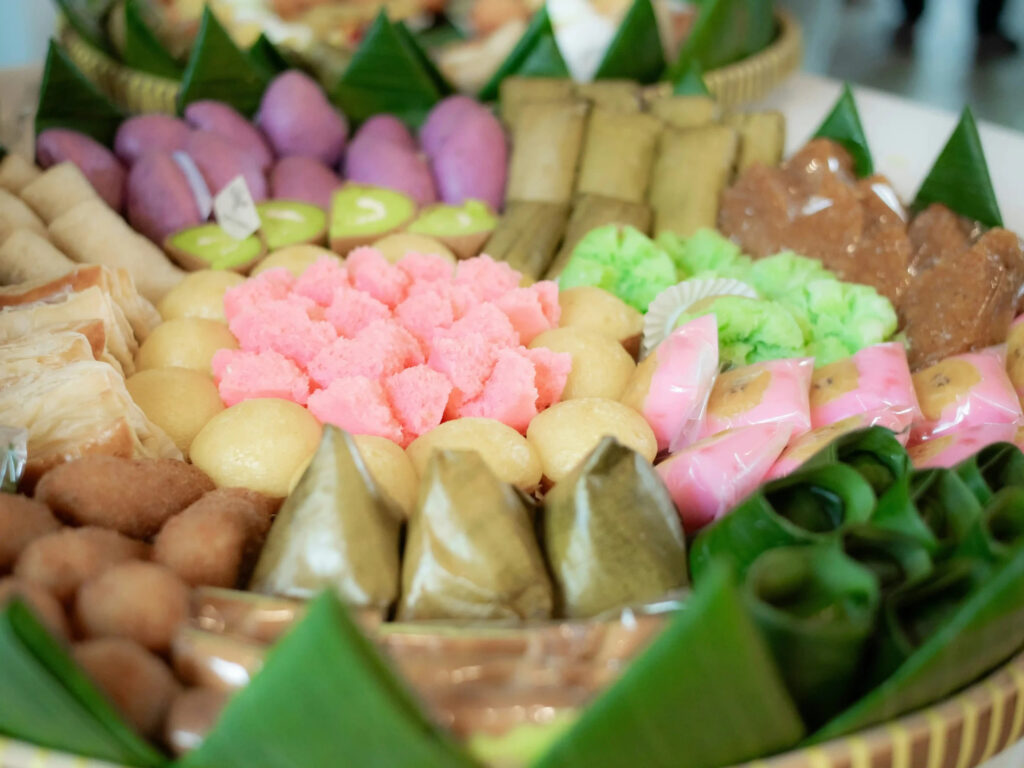
At the heart of Antipolo’s culinary offerings is suman. This sticky rice cake, wrapped in banana leaves, is often enjoyed with a sprinkling of sugar or a slice of sweet mango. Antipolo’s suman stands out for its aroma and delicate texture, making it one of the city’s most purchased delicacies.
Suman is more than a snack; it is a cultural symbol. Families prepare it for special occasions, while vendors sell it in small bundles to travelers. Its long shelf life also makes it perfect for pasalubong. Visitors can buy a dozen for around ₱100–₱150, an affordable gift that carries local heritage in every bite.
Mangoes: Sweet Companions to Local Cuisine
Another star of Antipolo’s food culture is the mango. The Philippine mango is already recognized worldwide for its sweetness, but Antipolo takes pride in pairing it with local favorites. Slices of ripe mango served with suman and sprinkled with latik (caramelized coconut milk curds) create a trio that many visitors consider the ultimate Antipolo experience.
Mangoes are available in public markets and roadside stalls, especially during the peak season from March to June. Prices vary depending on the harvest but usually range from ₱80 to ₱150 per kilo. For travelers, enjoying mangoes in Antipolo means tasting them as close to the source as possible.
Cashew Nuts: Antipolo’s Crunchy Pride
Cashew nuts, locally known as kasoy, complete the city’s trio of famous delicacies. Farmers in Rizal province have cultivated cashew trees for generations, and the nuts are roasted, salted, or made into brittle for sale. Antipolo is especially proud of its kasoy, which has been a staple pasalubong item since the mid-20th century.
Visitors can find cashew nuts in different forms, from plain roasted varieties to sweetened ones mixed with caramel. Prices range from ₱150 to ₱300 per pack depending on size and preparation. Buying directly from local vendors not only ensures freshness but also supports small-scale farmers who depend on this trade.
Where to Find Antipolo’s Food Treasures
The best places to buy Antipolo’s delicacies are near Antipolo Cathedral and in local markets such as Antipolo Public Market. Stalls line the streets around the church, offering suman in bundles, mangoes in baskets, and cashew nuts packed for easy transport.
For a more modern shopping experience, visitors can also find pasalubong centers along Sumulong Highway or in commercial areas of the city. Some cafés and restaurants incorporate these local ingredients into creative dishes, allowing travelers to enjoy traditional flavors with contemporary twists.
Festivals and Food Culture
Food is also celebrated in Antipolo’s local festivals. The Maytime Festival, held every May, combines religious devotion with cultural pride, and delicacies are often part of the festivities. Vendors showcase suman, mangoes, and cashew nuts during parades and community gatherings, keeping the city’s identity tied closely to its culinary roots.
These foods are more than souvenirs; they connect Antipoleños to their history and offer visitors a way to participate in that shared heritage.
How to Get There & Around
Antipolo is about an hour’s drive from Metro Manila, depending on traffic. Travelers can take private cars via Marcos Highway or Ortigas Avenue Extension. Public transportation options include UV Express vans, jeepneys, and buses bound for Antipolo from Cubao, Shaw Boulevard, or other transport hubs in Manila.
Within the city, tricycles are the most common mode of transport for short distances. For those exploring multiple stops, hiring a local driver for half a day is often more convenient.
Best Time to Visit & Weather
Antipolo can be visited year-round, but the cooler months from December to February, when temperatures average 23°C to 28°C, provide the most comfortable climate. March to June is mango season, which also coincides with major festivals, making it an ideal time for food lovers to visit. The rainy season from July to October may limit outdoor activities, but indoor markets remain open for those who want to shop for delicacies.
Responsible Travel Tips
When buying delicacies, travelers are encouraged to bring reusable bags to minimize plastic waste. Supporting small vendors and local farmers ensures that the economic benefits of tourism stay within the community. Visitors should also respect religious spaces such as Antipolo Cathedral when buying or eating nearby.
Conclusion
Antipolo’s identity is deeply tied to its food. Suman, mangoes, and cashew nuts have become symbols of hospitality, tradition, and pride for this hillside city. For visitors, taking home these delicacies is not only about savoring flavors but also about participating in a cultural practice that has connected families for generations. Whether as pasalubong or as part of a food crawl through local markets, Antipolo’s culinary treasures invite everyone to experience the city through taste.
Subscribe to our newsletter and get weekly updates on our blogs!