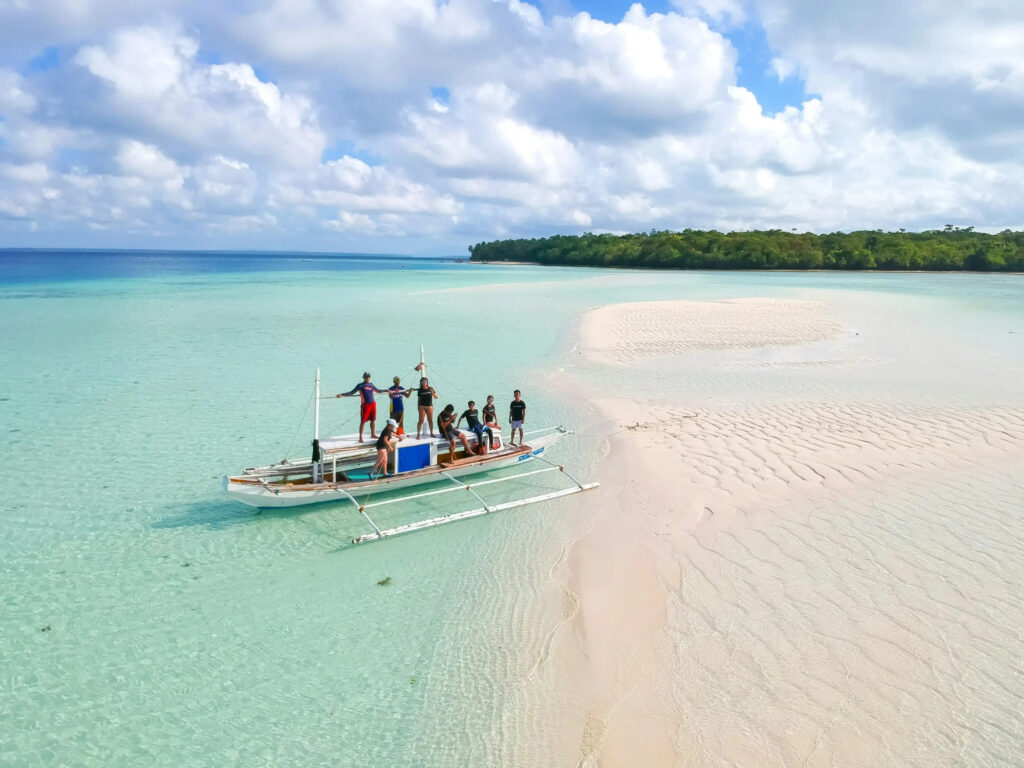
The Philippines is more than white-sand beaches and historic landmarks. For adventure seekers, it is a playground of rugged cliffs, powerful waves, and vibrant marine ecosystems. Adventure tourism has become a defining trend in the archipelago, attracting travelers who want not only relaxation but also adrenaline and discovery. Whether navigating river canyons, riding surf breaks, or diving into underwater worlds, the Philippines offers some of the most exciting destinations in Asia.
This guide explores the background of adventure tourism in the Philippines, its evolution, cultural relevance, and the best places to experience canyoneering, surfing, and diving. It also offers practical advice for engaging in these activities responsibly and sustainably.
Background: Adventure Tourism in the Philippines
Adventure tourism is not a new concept in the Philippines, but it has gained significant momentum in the last two decades. With a geography defined by mountains, rivers, reefs, and coastlines, the country has always held the potential for extreme and nature-based activities.
Historically, local communities used rivers and seas for survival. Fishermen, farmers, and indigenous groups interacted daily with landscapes that now draw thrill-seekers. For example, canyons were once passageways for water collection, while surfing waves and diving spots were tied to fishing traditions. Today, these natural features are reimagined as tourism assets, balancing heritage with modern recreation.
Evolution of Adventure Tourism
Adventure tourism in the Philippines has evolved alongside infrastructure and global interest.
- Early 2000s: Activities like surfing in Siargao or diving in Anilao attracted mostly niche travelers.
- 2010s: Improvements in transportation and social media exposure turned spots like Kawasan Falls and Cloud 9 into international names.
- Present day: Adventure tourism has diversified, with more regions offering structured packages, safety standards, and eco-tourism principles.
This evolution reflects the Philippines’ position as a competitive destination in Southeast Asia for both casual adventurers and professional athletes.
Canyoneering: Navigating Rivers and Waterfalls
Background and Culture
Canyoneering involves navigating river canyons through activities such as hiking, climbing, swimming, and jumping from cliffs. In the Philippines, it gained fame in Cebu, where canyoneering at Kawasan Falls became one of the country’s most sought-after adventure experiences.
Local guides, many of whom grew up near these rivers, share stories about how these natural spaces once sustained communities through fishing and farming.
Top Spots for Canyoneering
- Kawasan Falls, Cebu: The most popular site, offering turquoise waters, multiple jumps, and a mix of scenic trekking and swimming.
- Alegria, Cebu: An alternative to Kawasan, with less-crowded rivers and equally dramatic landscapes.
- Montaneza Falls, Malabuyoc: Known for its hot spring-fed canyon, combining thrill with relaxation.
Practical Tips
- Always hire a certified local guide for safety.
- Wear proper gear: aqua shoes, helmets, and life vests are essential.
- Follow environmental rules, such as avoiding littering or damaging rocks and vegetation.
Surfing: Riding the Philippine Waves
Background and Culture
Surfing has deep cultural roots in coastal communities. While the sport gained global recognition in places like Hawaii, Filipino surfers have long ridden waves with wooden boards or improvised equipment. Today, surfing is both a sport and a livelihood, with communities thriving on surf tourism.
Top Surfing Spots
- Siargao, Surigao del Norte: Famous for Cloud 9, a powerful barreling wave considered one of the best in the world. Siargao also has beginner-friendly spots like Jacking Horse and Daku Reef.
- La Union, Luzon: The birthplace of modern surfing in the Philippines, offering waves for all levels and a vibrant surf culture.
- Baler, Aurora: Known for Sabang Beach, where beginner surfers can learn safely, and Cemento Reef for advanced riders.
- Zambales: Beaches like Liwliwa offer consistent waves closer to Manila, ideal for weekend getaways.
Practical Tips
- Learn from local instructors to support the community and ensure safe techniques.
- Respect surf etiquette: wait your turn, do not drop in on someone else’s wave.
- Visit during surf seasons: August to November in Siargao, October to March in La Union.
- Protect coral reefs and avoid standing on them when paddling out.
Diving: Exploring Underwater Worlds
Background and Culture
The Philippines lies within the Coral Triangle, the global epicenter of marine biodiversity. Diving here is not only an adventure but also a chance to witness ecosystems that sustain global fisheries and coastal communities. Many dive sites are also tied to history, with sunken ships from World War II serving as underwater memorials.
Top Diving Spots
- Tubbataha Reefs, Palawan: A UNESCO World Heritage Site, offering pristine reefs, sharks, and manta rays. Accessible only by liveaboard.
- Apo Reef, Occidental Mindoro: The second-largest contiguous coral reef system in the world, ideal for both beginners and experienced divers.
- Anilao, Batangas: Known as the “nudibranch capital of the world,” perfect for macro photography and close to Manila.
- Malapascua, Cebu: Famous for thresher shark encounters at Monad Shoal.
- Coron, Palawan: World-renowned for its wreck diving, with sunken Japanese warships from World War II.
Practical Tips
- Always dive with licensed operators who prioritize safety and environmental conservation.
- Practice buoyancy control to avoid damaging corals.
- Respect marine life: do not touch animals or collect souvenirs.
Cultural Relevance of Adventure Tourism
Adventure tourism does more than provide thrills. It strengthens cultural connections between travelers and host communities:
- Canyoneering: Highlights indigenous respect for rivers as life-giving forces.
- Surfing: Connects visitors to coastal cultures where the sea has always been central.
- Diving: Underscores the global importance of protecting marine biodiversity while honoring war history through wreck dives.
Communities benefit through livelihood opportunities as guides, instructors, and eco-tourism operators. At the same time, the influx of visitors raises awareness about the need to conserve natural resources.
Current Trends in Adventure Tourism
Adventure tourism in the Philippines is expanding with several emerging trends:
- Eco-certifications for tour operators, ensuring sustainable practices.
- Community-based programs, where profits directly support local development.
- Hybrid experiences that combine adventure with wellness, such as yoga and surfing retreats.
- Digital exposure, with Instagram, YouTube, and TikTok creating viral visibility for destinations.
These trends highlight the growing demand for experiences that balance thrill with sustainability.
Practical Tips for Adventure Travelers
- Train physically: Canyoneering, surfing, and diving require stamina. Build fitness before your trip.
- Travel off-peak: Crowds can diminish the quality of adventure. Choose weekdays or shoulder seasons.
- Bring proper gear: While equipment is often provided, having personal essentials like rash guards or dry bags enhances safety and comfort.
- Insure your trip: Adventure activities can carry risks; travel insurance covering these activities is advisable.
- Be culturally sensitive: Respect local customs, such as fishermen’s schedules or community rituals tied to the sea or rivers.
How to Experience It Mindfully
Adventure tourism is not only about adrenaline. It is also about connection and respect. Travelers can:
- Engage in conversations with local guides to learn about cultural and historical context.
- Contribute to conservation projects by supporting eco-friendly operators.
- Limit single-use plastics to protect rivers and oceans.
- Share experiences responsibly online, avoiding exaggeration or promoting risky behavior.
By approaching adventures with humility and awareness, visitors help ensure that both nature and culture are honored.
Conclusion
The Philippines offers world-class opportunities for adventure tourism, from leaping into turquoise rivers in Cebu to riding Pacific waves in Siargao and diving into the biodiversity of Palawan. These activities are not only thrilling but also deeply tied to the identity and livelihoods of local communities.
By embracing canyoneering, surfing, and diving responsibly, travelers experience the Philippines in its rawest and most authentic form while supporting the preservation of its natural and cultural heritage. Adventure here is not just about seeking thrills but about discovering connections that last long after the journey ends.
Subscribe to our newsletter and get weekly updates on our blogs!