Introduction
Carcar City, located in southern Cebu with a population of 136,453, is renowned for its well-preserved ancestral houses dating back to the Spanish and American colonial periods. Cebu, celebrated as the birthplace of Christianity in the Philippines, has a rich cultural and architectural heritage, and Carcar provides a unique glimpse into the province’s historical urban life. Its heritage homes, many with intricate woodwork and traditional designs, reflect the lifestyle, craftsmanship, and social structure of Cebuano families from centuries past. Visiting Carcar offers travelers both educational and aesthetic experiences as they explore the city’s preserved architectural gems.
Historical Background
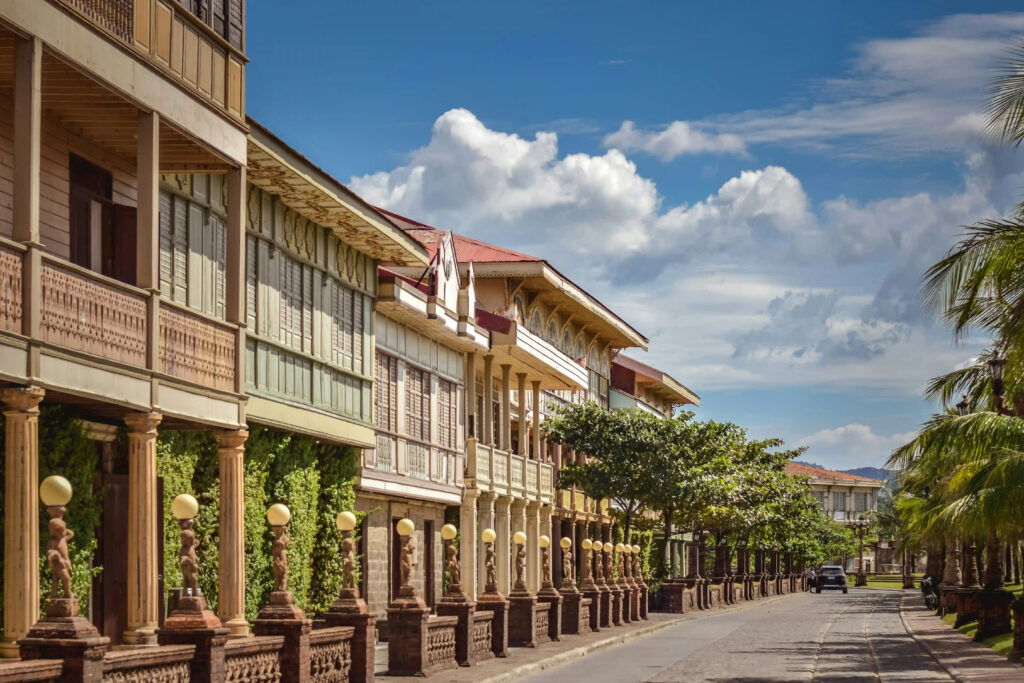
Carcar rose to prominence during the Spanish colonial era as a hub of commerce and local governance. Wealthy landowners and prominent families built their homes using traditional materials such as chippendale wood, capiz shell windows, and clay roof tiles. These houses showcased a combination of Spanish colonial design and native craftsmanship, creating structures that were both functional and elegant.
During the American period, architectural trends incorporated neo-classical and art deco elements, reflecting new influences and the evolving tastes of the local elite. Today, many of these houses remain intact, providing an authentic snapshot of historical life in Cebu.
Cultural Significance
The ancestral houses of Carcar are more than architectural landmarks. They symbolize the city’s cultural identity, heritage, and continuity of tradition. Families that built these homes often engaged in commerce, agriculture, or local governance, and the structures illustrate social hierarchies and community organization of the time.
Carcar’s city government and local heritage organizations have preserved these houses, promoting cultural tourism and education. Walking through the streets lined with heritage homes, visitors can observe balconies, ventanillas, wooden carvings, and capiz windows that reflect Cebuano craftsmanship. Annual heritage festivals often include guided tours, cultural performances, and exhibits about the city’s history.
Key Ancestral Houses and Attractions
Several ancestral homes in Carcar are open to visitors or can be admired from the streets:
- Villa Aznar: A Spanish-era mansion known for its intricate woodwork and spacious interior.
- The Yap-Sandiego Ancestral House: Featuring capiz shell windows and preserved furniture from the American period.
- Heritage Walking Tours: Organized by the city or local guides, these tours showcase clusters of houses, plazas, and old churches.
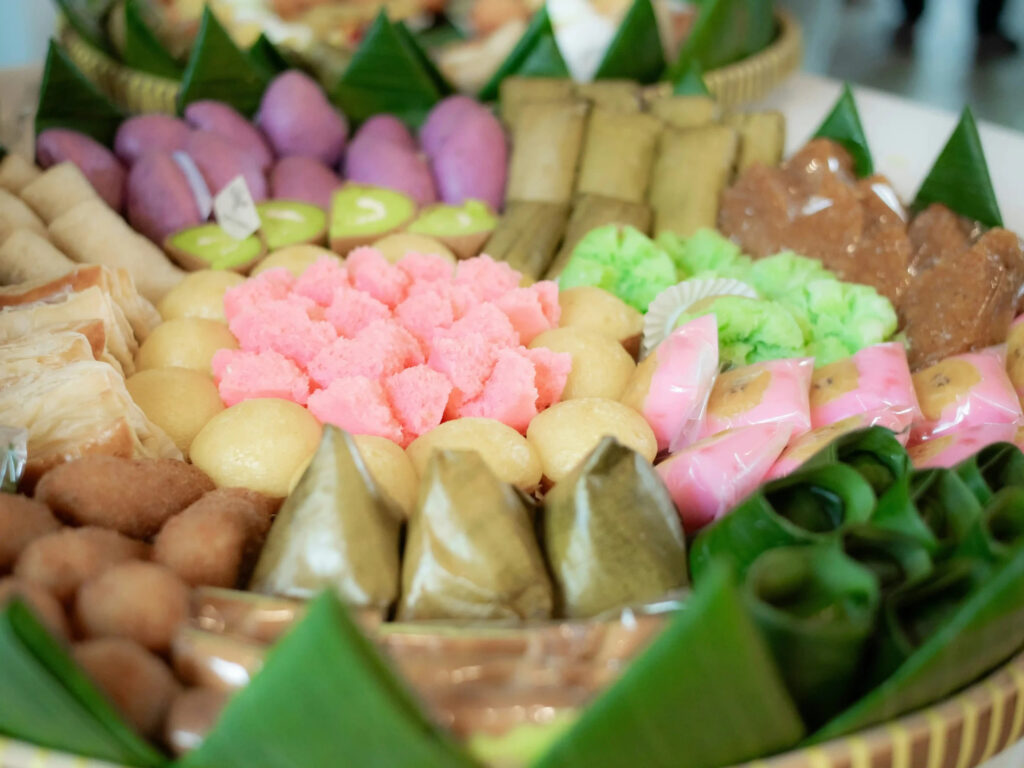
In addition to ancestral houses, Carcar is famous for local delicacies such as lechon, chicharon, and peanut brittle, allowing visitors to combine cultural exploration with culinary experiences. Prices for local treats range from ₱50 to ₱300 depending on the item and portion.
Community Life and Local Culture
Despite its heritage status, Carcar remains a living city where residents actively maintain and inhabit many ancestral homes. Local festivals, church events, and markets provide insight into daily life and community interactions. St. Catherine of Alexandria Parish Church, a Spanish-era church, is another cultural focal point, hosting masses, weddings, and festivals that tie community life to historical continuity.
Walking through Carcar, visitors can observe artisans, vendors, and families who contribute to the city’s vibrant yet historical atmosphere. Supporting local businesses, eateries, and craft shops encourages preservation and sustains the community.
How to Get There and Around
Carcar City is approximately 40 kilometers south of Cebu City. Travel by private car or taxi takes about one hour depending on traffic, with fares around ₱600–₱800. Public buses and vans from Cebu City’s South Bus Terminal connect to Carcar at fares of ₱100–₱150 per person.
Within Carcar, walking is ideal for exploring heritage streets and ancestral homes. Tricycles provide short-distance transportation for attractions that are farther apart. Guided tours are available for a more structured exploration of historical sites.
Best Time to Visit and Weather
Cebu has a tropical climate, with temperatures ranging from 26°C to 32°C. The dry season, from December to May, is ideal for walking tours, photographing heritage houses, and attending festivals. The rainy season, from June to November, brings intermittent showers, but indoor visits to some ancestral homes and museums remain accessible. Morning visits are preferable to avoid the heat while exploring the streets and plazas.
Responsible Travel
Visitors should respect private property, avoid damaging heritage structures, and follow local guidelines for photography and tours. Supporting local businesses and guides ensures that cultural preservation remains sustainable. Maintaining cleanliness in public areas and observing traffic rules enhances the safety and experience for all tourists.
Conclusion
Carcar City offers a unique window into Cebu’s past through its ancestral houses and preserved architecture. From Spanish-era woodwork to American-period design elements, the city showcases craftsmanship, history, and community life that span centuries. Combined with local cuisine and cultural festivals, a visit to Carcar is both educational and immersive. Travelers exploring southern Cebu will find the city’s heritage streets, plazas, and homes a compelling experience that reflects the rich architectural legacy of the region.
Subscribe to our newsletter and get weekly updates on our blogs!