Introduction: Life by the Sea and Land
Bongabong, a municipality in Oriental Mindoro with a population of nearly 77,000, is a place where land and sea come together to shape daily life. This coastal town is both an agricultural hub and a fishing center, contributing to the province’s food supply and sustaining the livelihoods of its residents. While it is less known to tourists compared to nearby destinations, Bongabong offers travelers a look into the authentic rhythm of provincial life in the Philippines. Its story is not only about what people grow or catch but also about how communities maintain traditions and adapt to the changing times.
Mindoro itself is an island with remarkable natural beauty. One of its highlights is Apo Reef, the world’s second-largest contiguous coral reef system after the Great Barrier Reef. Though the reef is not located directly in Bongabong, its presence is a reminder of how rich and diverse the island’s marine environment is, and why the coastal economy plays such an important role in local culture.
Agricultural Heart of Oriental Mindoro
Agriculture is at the center of Bongabong’s identity. The fertile plains around the town are ideal for rice cultivation, and rice fields stretch across much of its landscape. Seasonal harvests bring communities together, as families and neighbors work side by side in the paddies. Farming here is not only a livelihood but also a cultural tradition that has been passed down through generations.
In addition to rice, Bongabong produces fruits and vegetables that sustain the local market. Mangoes, bananas, and coconuts are among the common crops, reflecting the island’s tropical environment. Many households maintain small farms, contributing both to family income and to food security in the area. Visiting Bongabong provides a window into this agrarian lifestyle, where agricultural cycles influence everything from festivals to family routines.
A Fishing Community by the Coast
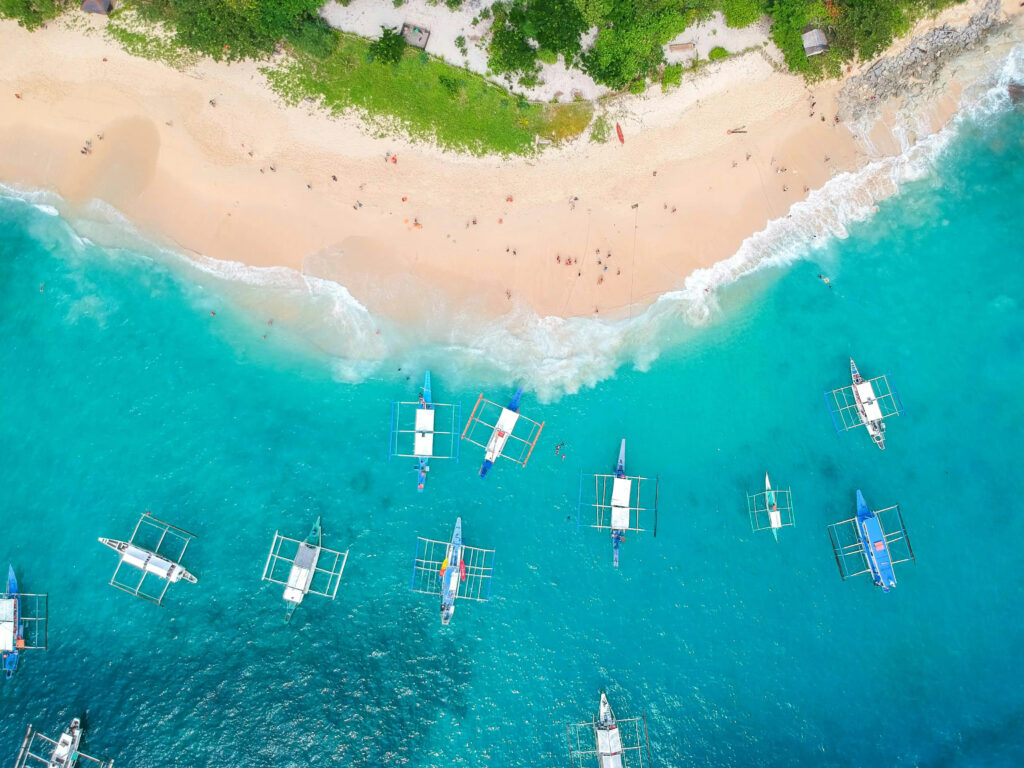
The coastal location of Bongabong ensures that fishing is as important as farming. Local fishermen take to the waters daily, providing fresh catches that feed households and supply markets across Oriental Mindoro. Fish, crabs, and shellfish are staples in the diet, and coastal communities often revolve around the routines of preparing, preserving, and selling seafood.
The fishing industry in Bongabong also links the town to the broader marine wealth of Mindoro. Apo Reef, located off the coast of Occidental Mindoro, represents the extraordinary biodiversity of the surrounding seas. While Bongabong is not a diving destination itself, the town’s connection to the ocean reminds travelers that the people of Mindoro live in balance with one of the most ecologically important reef systems in the world. For those who enjoy coastal travel, Bongabong offers an authentic glimpse of daily fishing life rather than tourist-centered activities.
Markets, Food, and Community Life
One of the best ways to experience Bongabong is by visiting its public markets. These are lively spaces where agricultural produce and fresh seafood meet. Early mornings are particularly vibrant, as fishermen bring in their catches and farmers deliver newly harvested crops. Markets here are not only economic centers but also social spaces, where neighbors exchange stories and maintain a sense of community.
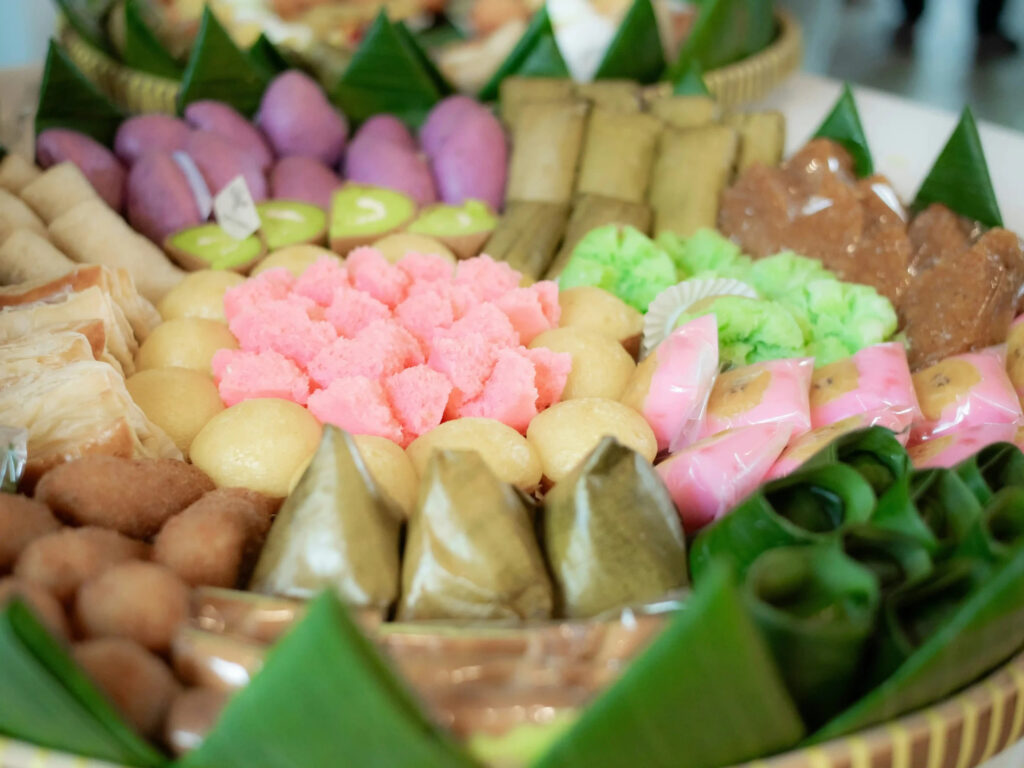
Food in Bongabong reflects its agricultural and coastal character. Grilled fish, rice meals, and coconut-based dishes are common. Families often prepare meals with ingredients sourced directly from their farms or from the morning’s catch. Local eateries serve simple but flavorful dishes at very affordable prices, making them accessible to both residents and visitors. For travelers, eating in Bongabong means enjoying fresh and unpretentious meals that are deeply tied to the land and sea.
Culture, Traditions, and Festivals
Like many towns in the Philippines, Bongabong celebrates fiestas and local festivals that reflect its culture and faith. Community gatherings often feature agricultural displays, parades, and performances. These events bring together farming and fishing traditions, highlighting the pride that residents take in their livelihoods. Religious devotion is also strong, with church-centered celebrations marking significant dates in the calendar.
Daily traditions reflect the values of cooperation and simplicity. Families work together in both the fields and the boats, and neighbors often share resources in times of need. For visitors, this sense of solidarity offers a meaningful perspective on life in a rural coastal town.
How to Get There & Around
Bongabong is located in Oriental Mindoro and can be reached by land from Calapan City, the provincial capital. From Manila, travelers usually take a bus to Batangas Port, followed by a ferry to Calapan. The onward drive to Bongabong takes several hours, but the journey offers views of rice fields, coastal stretches, and small towns along the way.
Within Bongabong, transportation is mostly by tricycles and jeepneys, which connect the different barangays and neighboring municipalities. For travelers who prefer more flexibility, hiring a motorcycle or arranging private transport can make it easier to explore the town and its surrounding countryside.
Best Time to Visit & Weather
The best time to visit Bongabong is during the dry season from November to May, when average temperatures range from 27°C to 30°C. This period allows for easier travel and better conditions for exploring both coastal and agricultural areas. The wet season, from June to October, brings heavy rains that may disrupt road travel and fishing schedules, though the fields are at their greenest during this time.
Visitors interested in community events may choose to plan their trip around local fiestas, though it is best to confirm festival dates in advance as these can vary from year to year.
Responsible Travel in Bongabong
Bongabong is not a tourist-heavy destination, which means travelers have a responsibility to engage respectfully. Supporting local markets, eating at small eateries, and buying produce directly from farmers or fishermen helps sustain livelihoods. Visitors should also be mindful of waste, especially plastics, as coastal towns are vulnerable to marine pollution. Respecting local traditions and being considerate when photographing people or communities ensures that interactions remain positive.
Conclusion: Discovering Everyday Life in Bongabong
Bongabong may not appear on many travel itineraries, but its importance as both an agricultural and fishing center makes it a vital part of Oriental Mindoro. Visiting this town provides travelers with an authentic look at provincial life in the Philippines, where traditions of farming and fishing continue to thrive. With its close connection to the land, the sea, and the larger ecological treasures of Mindoro, Bongabong offers a meaningful travel experience for those who value culture, community, and simplicity.
Subscribe to our newsletter and get weekly updates on our blogs!