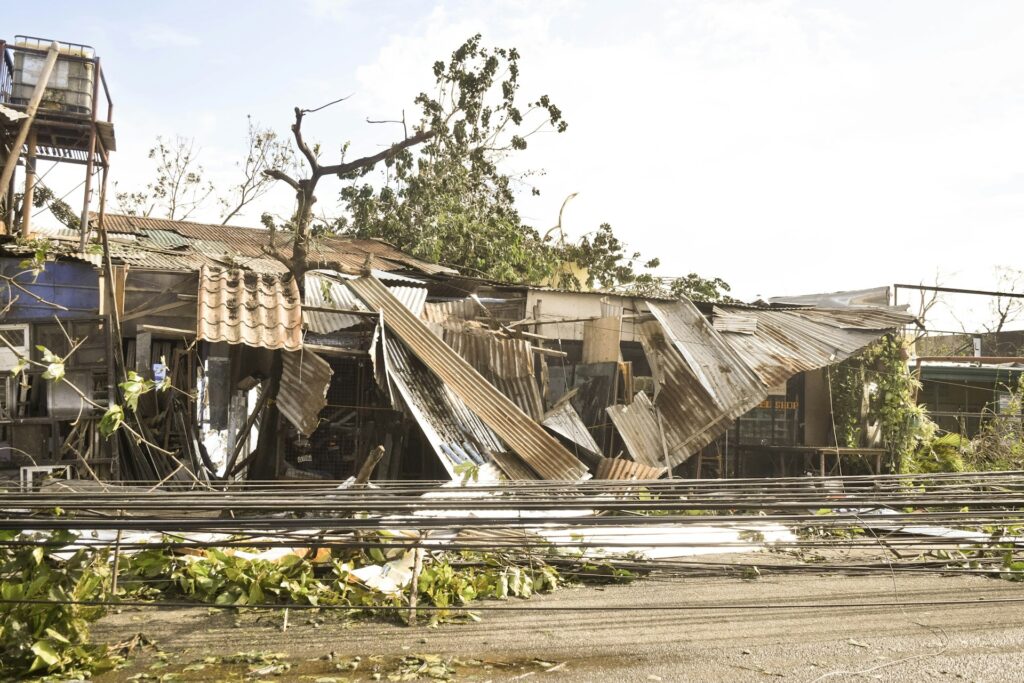
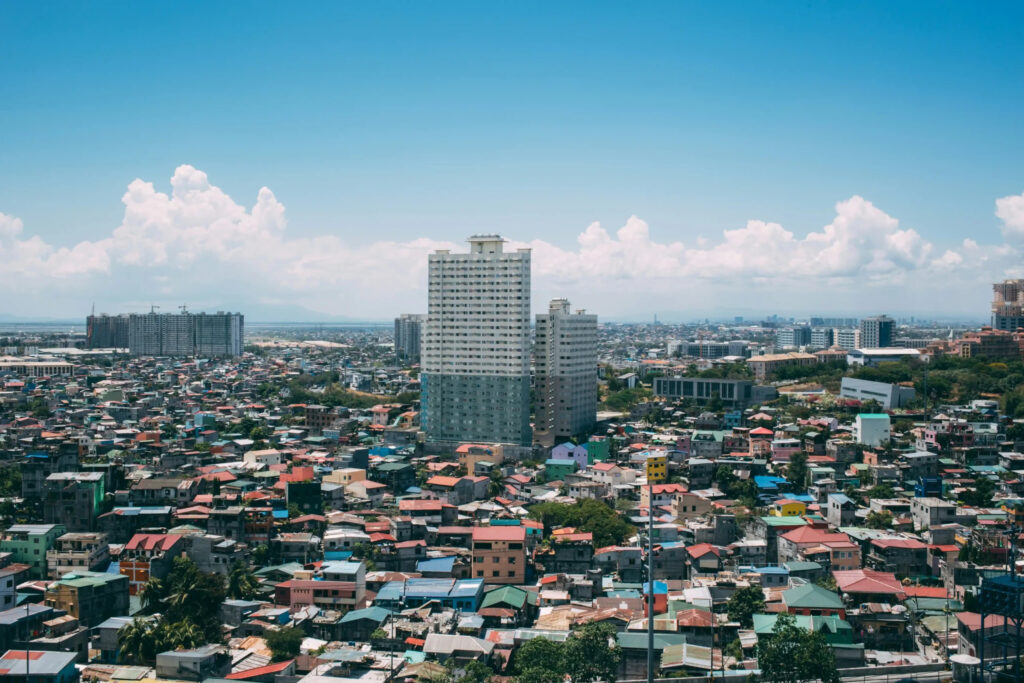
Flooding is a reality for many Filipinos. From coastal communities to inland low-lying barangays, heavy rains and typhoons often bring rising waters that damage property and disrupt lives. Building or adapting a home to be flood-resilient is no longer a luxury-it is a necessity.
This guide focuses on flood-resilient home basics for low-lying areas in the Philippines. It provides practical insights for households, communities, and builders who want to reduce risks while maintaining comfort and cultural relevance.
Why Flood-Resilient Homes Matter
The Philippines experiences multiple typhoons every year, many bringing intense rainfall. Low-lying areas are especially vulnerable as drainage systems are often overburdened. Traditional house designs may not always account for prolonged flooding, leaving families exposed.
A flood-resilient home:
- Protects lives and property.
- Reduces recovery costs after floods.
- Provides peace of mind to families living in high-risk zones.
- Strengthens community resilience by setting a visible example.
Structural Design Basics
Creating a flood-resilient home begins with design choices that prioritize elevation, durability, and water flow management.
Elevation Strategies
- Raised flooring: Elevating living areas on stilts or concrete platforms reduces exposure to rising waters.
- Split-level designs: Allow families to retreat to higher areas during floods without leaving the house.
Materials
- Concrete and hollow blocks: More resistant to water than untreated wood.
- Waterproof coatings: Applied to walls and floors to limit damage from seepage.
- Metal or reinforced roofing: Prevents leaks and resists strong winds.
Open Flow Design
- Ventilation gaps: Allow water to pass through lower structures without creating pressure that can collapse walls.
- Flood vents: Installed in walls to equalize pressure between inside and outside.
Interior Adaptations
Flood-resilient homes require careful interior planning.
- Raised electrical outlets: Installing sockets higher than usual prevents dangerous contact with water.
- Movable furniture: Using lightweight, easy-to-carry furniture allows for quick relocation during flood alerts.
- Storage solutions: Elevated cabinets and sealed plastic containers protect valuables and documents.
- Drainage-friendly flooring: Tiles or polished concrete clean more easily than absorbent materials.
These small but important changes help families recover faster when floods occur.
Waste and Water Management
Flooding worsens when drainage is blocked or when homes themselves contribute to waterlogging.
- Proper waste segregation: Prevents plastic from clogging drainage systems.
- Rainwater harvesting: Directs runoff into storage tanks instead of overwhelming local drainage.
- Backflow valves: Installed in plumbing to prevent sewage from entering homes during floods.
These strategies protect both the home and the surrounding community.
Low-Impact Choices for Sustainability
Flood-resilience should align with sustainability. Environmentally sound practices reduce risk and protect resources.
- Use locally sourced materials where possible to support community economies.
- Plant vegetation around homes to absorb rainwater and reduce surface runoff.
- Avoid chemical-heavy sealants or paints that can pollute floodwaters.
- Participate in barangay-led cleanups to keep waterways clear.
These steps connect personal resilience with collective responsibility.
Community Role in Flood-Resilient Living
No home is an island. In low-lying areas, the success of one household often depends on neighbors.
- Barangay coordination: Shared waste-station planning prevents blocked canals.
- Shared elevated shelters: Communities can maintain high-ground areas for evacuation.
- Education drives: Teach children flood safety and how to protect important items.
When resilience becomes a community practice, recovery is faster and safer.
Practical Tips for Families
- Store emergency bags on upper levels, including food, water, and first-aid kits.
- Secure important documents in waterproof envelopes.
- Mark safe exit routes and rehearse evacuation plans.
- Keep a list of barangay hotlines and local rescue contacts.
- Regularly inspect home foundations and repair cracks before rainy season.
These practical actions transform a flood-resilient house into a truly safe home.
Conclusion
Flooding will continue to challenge many communities in the Philippines. But with the right design, materials, and habits, homes can stand strong. Flood-resilient basics-from raised flooring and waterproofing to community-driven drainage management-make life in low-lying areas safer and more sustainable.
Building resilience is not about resisting tradition but adapting it. Filipino homes can remain places of warmth, family, and culture while integrating practical defenses against floods. The result is not only a safer house but also a stronger, more united community.
Subscribe to our newsletter and get weekly updates on our blogs!