
The Heart of Guimaras Island
Jordan, the capital town of Guimaras Island, is often the first stop for visitors crossing the Iloilo Strait. With a population of 39,566, it may seem small compared to bustling Philippine cities, yet its role as the island’s administrative and commercial center makes it lively and full of character. Life here moves at a gentle pace, defined by coastal living, thriving markets, and a close-knit community where everyone seems to know each other.
Guimaras as a whole is famous for producing some of the sweetest mangoes in the world, a fruit so prized that exporting fresh mangoes is restricted to preserve their exclusivity. This pride is very much alive in Jordan, where the fruit trade, farming, and everyday routines revolve around both land and sea.
Coastal Living and Fishing Traditions
As a coastal town, Jordan’s identity is closely tied to the sea. Many households rely on fishing as their main source of income. In the early morning, bancas (small outrigger boats) head out into the calm waters, returning with milkfish, tilapia, or seasonal varieties of reef fish.
Fishing here is not an industry of massive trawlers but a way of life sustained by small-scale practices. Nets are mended by hand, and much of the catch is sold fresh in the local market. Fish-drying racks appear along the shorelines on sunny days, filling the air with the salty scent of daing (dried fish). For residents, fishing is as much about community as it is about livelihood, with families often sharing their surplus catch with neighbors.
The Town Market and Everyday Commerce
The Jordan Public Market is where the town comes alive. Every morning, locals stream in to buy fresh seafood, vegetables, and fruits. Stalls are crowded with mangoes during harvest season, reminding visitors why Guimaras has earned international fame for its produce. The market is more than a place to shop. It is a social hub where neighbors exchange stories, gossip, and laughter while negotiating prices.
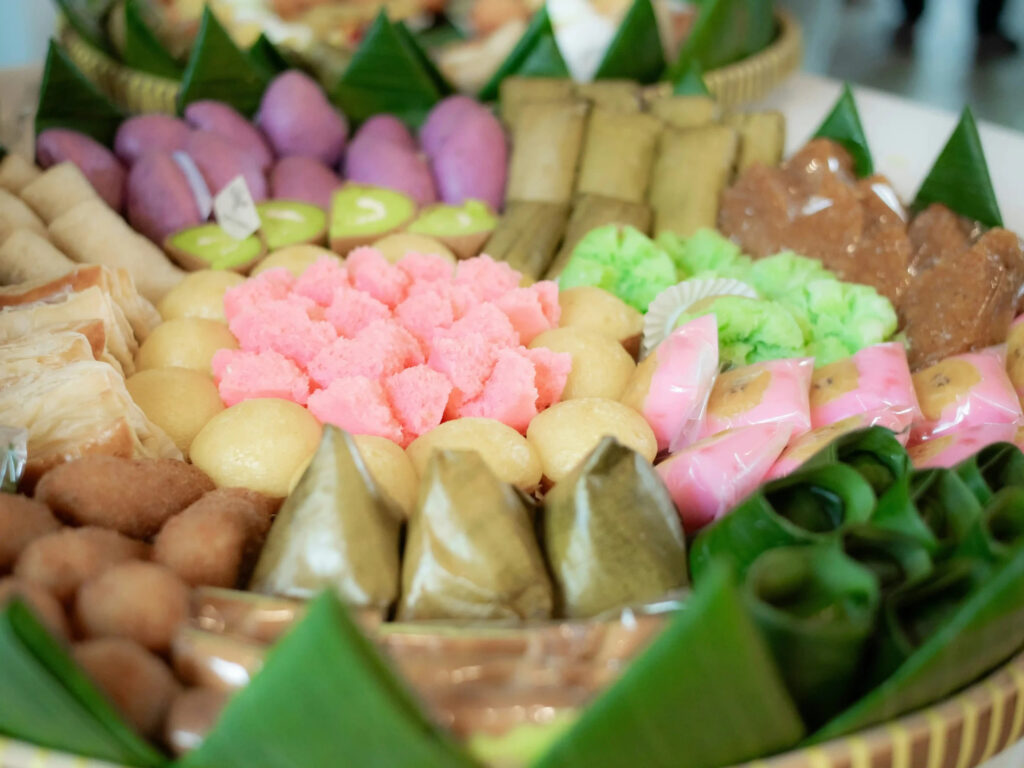
For visitors, walking through the market provides a snapshot of everyday life. The noise of vendors calling out their wares, the smell of grilled fish and fried snacks, and the sight of woven baskets filled with local produce create an immersive cultural experience. Prices are modest, with meals or snacks available for as little as ₱30 to ₱50, making it accessible for both locals and travelers.
Mangoes and Farming Culture
Jordan plays a central role in Guimaras’ mango industry. The mangoes here are considered among the sweetest globally, and this reputation is carefully protected. They are served in local eateries, sold in bundles at roadside stalls, and showcased during the annual Manggahan Festival, which celebrates the island’s harvest.
Aside from mangoes, farmers in Jordan cultivate rice, vegetables, and coconuts. Farming is usually family-run and small in scale, which gives the community a resilient yet humble character. The rhythm of planting and harvesting shapes the seasons, with mango season (March to May) being the most exciting, as it draws traders, workers, and visitors to the island.
Small-Town Charm and Community Spirit
Everyday life in Jordan is defined by its small-town charm. There are no towering malls or chaotic traffic jams here. Instead, you find sari-sari stores at every corner, children playing in the streets, and tricycles weaving through narrow roads. Residents greet one another casually, and newcomers are often welcomed with curiosity and warmth.
Town fiestas and church celebrations remain central to community life. These events are not just religious occasions but also cultural gatherings filled with food, music, and dance. Visitors who time their trip with such festivities will witness how Jordan’s people celebrate with both faith and joy.
How to Get There & Around
Jordan serves as the main entry point to Guimaras. From Iloilo City, travelers can take a 15- to 20-minute pump boat ride across the strait, docking directly at the Jordan Wharf. Fares are inexpensive, usually under ₱50 per person.
Once in Jordan, tricycles are the most common way to get around town. Fares are affordable, averaging ₱15 to ₱30 for short trips. For those wanting more flexibility, renting a motorbike is a good option to explore Jordan and nearby towns. The roads are generally in fair condition, though some rural areas can be rough during the rainy season.
Best Time to Visit & Weather
The best time to experience everyday life in Jordan is from November to May, when the weather is dry and pleasant. Average daytime temperatures range between 28°C and 32°C, with cooler evenings. The peak mango season from March to May is particularly rewarding for travelers who wish to taste Guimaras’ world-famous fruit at its freshest.
The rainy season runs from June to October, with heavier showers that may affect travel but also bring lush greenery to the landscape. Visitors who come during this period should prepare for occasional delays in boat trips due to rough seas.
Responsible Travel in Jordan
Jordan’s charm lies in its authenticity, and travelers are encouraged to help preserve this character. Buying directly from local vendors, reducing plastic use, and respecting fishing and farming routines are simple but meaningful ways to contribute. Photography in markets or fishing villages should be done with sensitivity, ensuring that people feel comfortable. Supporting small eateries and family-run accommodations also ensures that tourism benefits the community directly.
Conclusion
Jordan may not overwhelm with grand monuments or luxury resorts, but its strength lies in its simplicity. Fishing villages, lively markets, and the sweetness of mango farming create a way of life that is both humble and proud. For travelers looking to experience authentic island living, Jordan provides an unforgettable glimpse into the everyday rhythm of Guimaras.
Subscribe to our newsletter and get weekly updates on our blogs!