Introduction
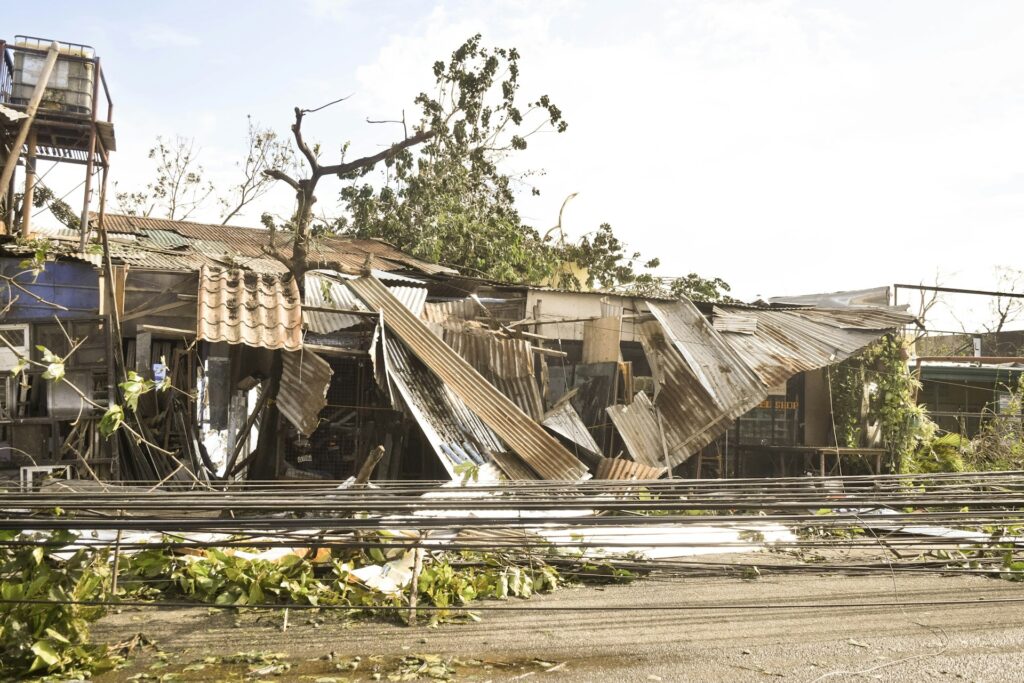
Basey, a municipality on the island of Samar with a population of about 56,685, is best known for its proximity to the Sohoton Caves and Natural Bridge Park. It also holds a unique place in Philippine geography as one of the first towns where Pacific typhoons often make landfall. Despite this vulnerability, the people of Basey embody resilience and creativity, which shine most vividly during their festivals. Local celebrations blend faith, culture, and artistry into events that not only strengthen community ties but also attract visitors eager to experience the town’s rich heritage.
The Role of Faith in Local Celebrations
Festivals in Basey are deeply rooted in Catholic traditions introduced during the Spanish colonial period. The town’s patronal fiesta honors St. Michael the Archangel, a figure revered as the protector of communities. Every September, the town fills with processions, novena masses, and cultural performances. The faithful walk the streets with statues of saints adorned with flowers, accompanied by music and dance that demonstrate devotion as well as joy.
These religious celebrations extend beyond the church, spilling into homes and streets where families prepare feasts for guests. The communal spirit of sharing food, whether simple local dishes or elaborate preparations, underscores the importance of hospitality in Basey’s culture.
Banig Festival: A Celebration of Weaving and Artistry
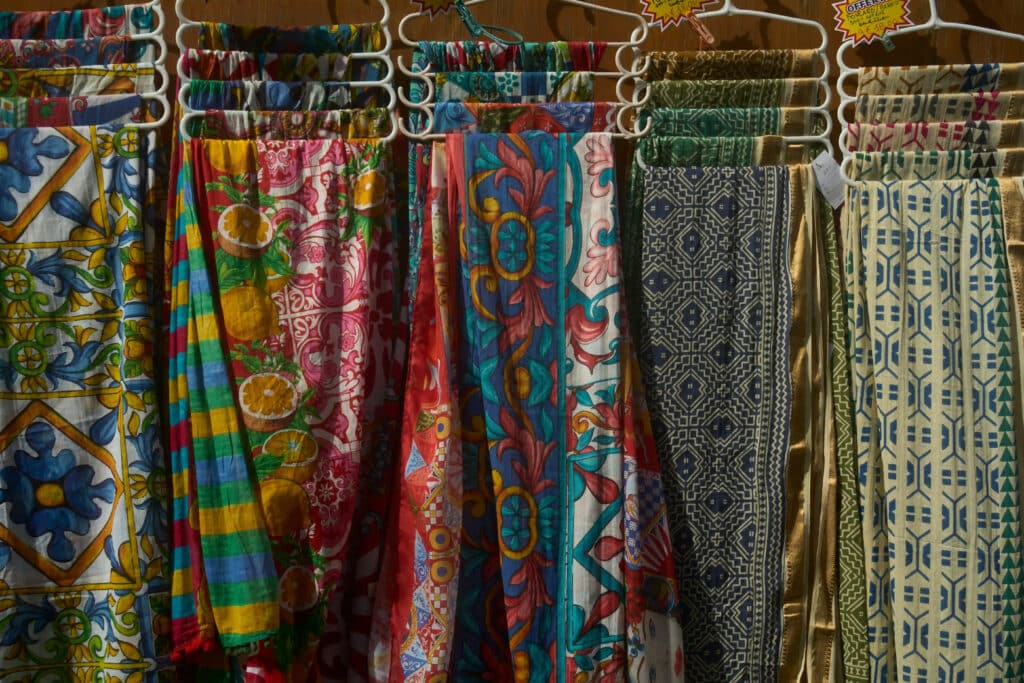
Among the most iconic festivals of Basey is the Banig Festival, which highlights the town’s centuries-old weaving tradition. Tikog grass, harvested from wetlands and riverbanks, is dried, dyed, and woven into colorful mats known as banig. These mats are more than household items; they are works of art and symbols of local identity.
The Banig Festival includes street dancing where participants wear costumes inspired by woven patterns and colors. Performers mimic the movements of weaving in choreographed routines, showcasing artistry through dance. Exhibits and competitions also display the best banig creations, from traditional mats to modern designs adapted into bags, shoes, and other crafts. This festival promotes local livelihood while ensuring that weaving remains a living tradition passed down to future generations.
Cultural Life and Community Spirit
Festivals in Basey are not only spectacles for outsiders but also vital expressions of community life. Residents often spend months preparing costumes, floats, and performances. Schools and barangays compete in friendly contests that encourage creativity and unity. For many, these events are opportunities to display local pride and remind younger generations of their heritage.
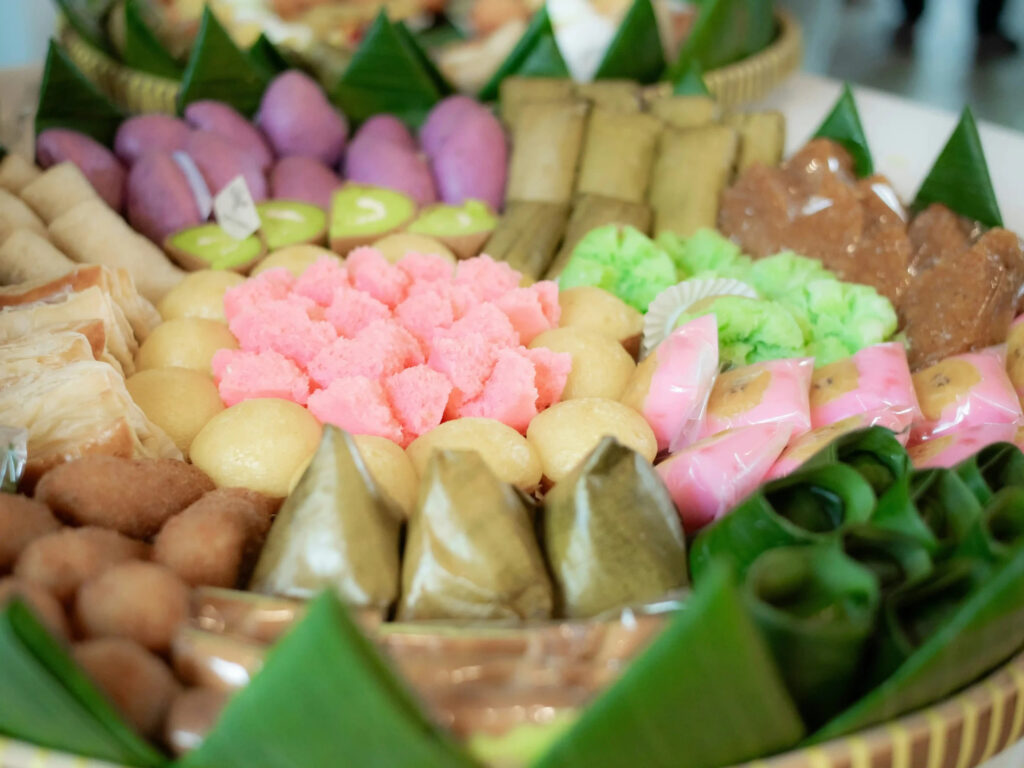
Markets around the festival grounds bustle with activity, selling woven crafts, local delicacies, and seasonal produce. Visitors can sample Basey’s seafood specialties, rice-based snacks, and coconut desserts while mingling with locals. These gatherings create an atmosphere where tradition and modernity meet, offering travelers both cultural insight and personal connection.
The Fun Fact and Its Meaning
Basey’s location as one of the first towns to face Pacific typhoons is not just a geographic detail; it is central to the character of its festivals. The celebrations often take place with awareness of nature’s unpredictability. Despite the risks, festivals are carried out with determination, showing how faith and cultural pride help the community endure and recover. This resilience has become part of the narrative that festivals highlight: life continues, and culture thrives, even in the face of challenges.
How to Get There & Around
Basey is accessible from Tacloban City, which is connected to Samar via the San Juanico Bridge. From Tacloban, vans and buses take about an hour to reach Basey. Tricycles are the main mode of transport within town, while jeepneys connect Basey to nearby municipalities. During festivals, the streets can be crowded, so walking is often the most practical way to explore.
Best Time to Visit & Weather
The best time to experience Basey’s festivals is in September during the patronal fiesta of St. Michael the Archangel or during the Banig Festival, which is typically celebrated around the same time. The dry season from December to May is also ideal for travel, with average temperatures between 27–32°C. From June to November, visitors should plan carefully as this period marks the typhoon season.
Costs and Practical Considerations
Festival activities are usually free to attend, though some exhibits or performances may request small contributions. Food in local eateries ranges from ₱50–₱150 per meal, while banig mats vary in price from ₱200 for smaller pieces to ₱1,000 or more for larger or intricately designed items. Travelers are encouraged to purchase directly from local weavers to support the community’s economy.
Respectful behavior is key during festivals: ask before photographing performers, avoid littering in crowded streets, and observe customs during religious processions. Responsible travel ensures that cultural traditions remain respected and sustainable.
Conclusion
Festivals in Basey reveal the town’s soul, where faith, culture, and artistry converge. From religious processions honoring St. Michael the Archangel to the colorful Banig Festival that highlights weaving traditions, each event reflects resilience and pride. These celebrations not only strengthen community identity but also invite visitors to witness and participate in traditions that have endured through centuries of change and challenges.
For travelers seeking an authentic cultural experience in Samar, the festivals of Basey offer vibrant encounters with heritage, artistry, and the enduring human spirit.
Subscribe to our newsletter and get weekly updates on our blogs!