Introduction: A Town Bound by Heritage
The municipality of Malay in Aklan, home to the world-famous Boracay Island, is not only known for beaches with sand that never gets hot under the sun. With a population of about 60,077, Malay is deeply rooted in the culture and heritage of Aklan. At its heart are festivals that highlight community identity and spirituality, connecting modern tourism in Boracay with centuries-old traditions on the mainland. Among these celebrations, the Ati-Atihan Festival stands as the most powerful symbol of devotion, history, and unity.
The Ati-Atihan Festival: The Mother of Philippine Festivals
Often called the “Mother of Philippine Festivals,” the Ati-Atihan is celebrated every January in Kalibo, the capital of Aklan, which is closely linked to Malay and Boracay. It honors the Santo Niño, the Holy Child, blending Catholic devotion with pre-colonial traditions of the Ati people, one of the earliest settlers of Panay Island.
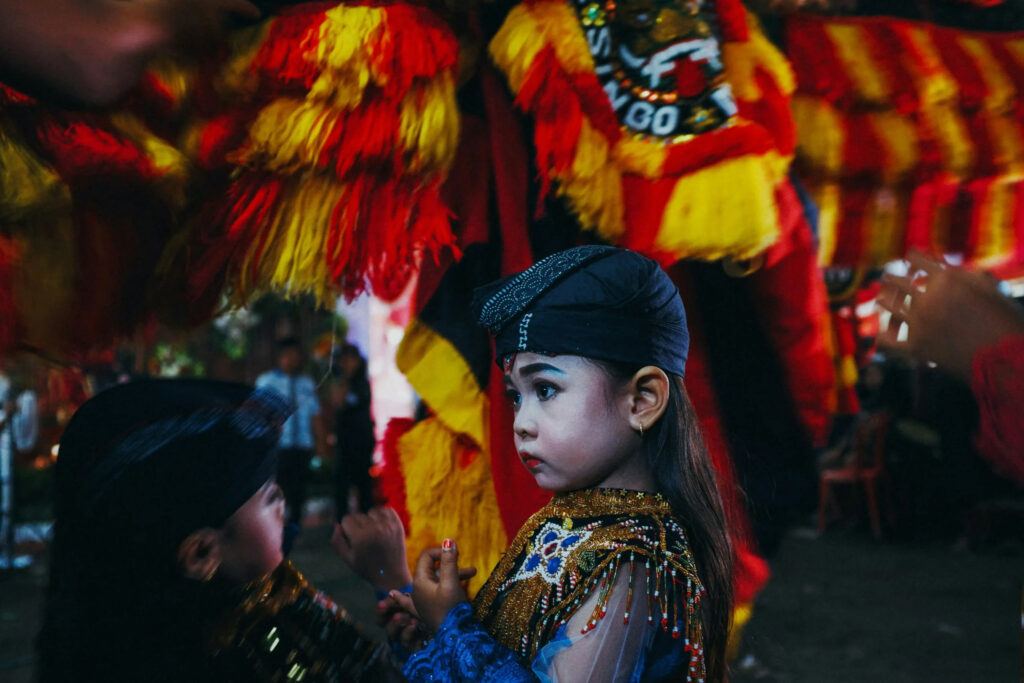
Participants paint their faces with soot or black paint to represent the Ati, wear colorful costumes, and dance to the rhythmic beat of drums. The celebration is not merely a show; it is a cultural memory passed through generations. For the people of Malay, whose livelihoods are now intertwined with global tourism, the Ati-Atihan serves as a reminder of their origins and shared identity.
Connection Between Boracay and Aklan’s Heritage
While Boracay is known worldwide for White Beach, its culture is inseparable from the mainland of Malay and greater Aklan. Many Boracay locals trace their families back to villages on the mainland, where the Ati-Atihan tradition is still practiced. Every January, workers and business owners in Boracay often travel to Kalibo to join the festivities, proving that despite Boracay’s global reputation, its soul remains firmly tied to Aklan’s roots.
Even on Boracay itself, smaller versions of the festival are celebrated in barangays, showcasing dances, drumbeats, and street parades that echo the larger Kalibo event. This cultural connection demonstrates how tourism and heritage coexist, each giving strength to the other.
Other Festivals and Celebrations in Malay
Malay is not defined by Ati-Atihan alone. The municipality also observes local fiestas in honor of patron saints, marked by processions, masses, and community feasts. In Boracay, Holy Week sees reenactments and devotions, while Christmas is celebrated with lanterns, music, and food shared across villages.
Barangay fiestas often involve “pabayle” or community dances, cockfights, and food-sharing traditions, creating opportunities for visitors to experience authentic local culture beyond the resorts. These smaller festivals, while less known, embody the everyday spirit of Malay’s people.
Food, Music, and Traditions of Celebration
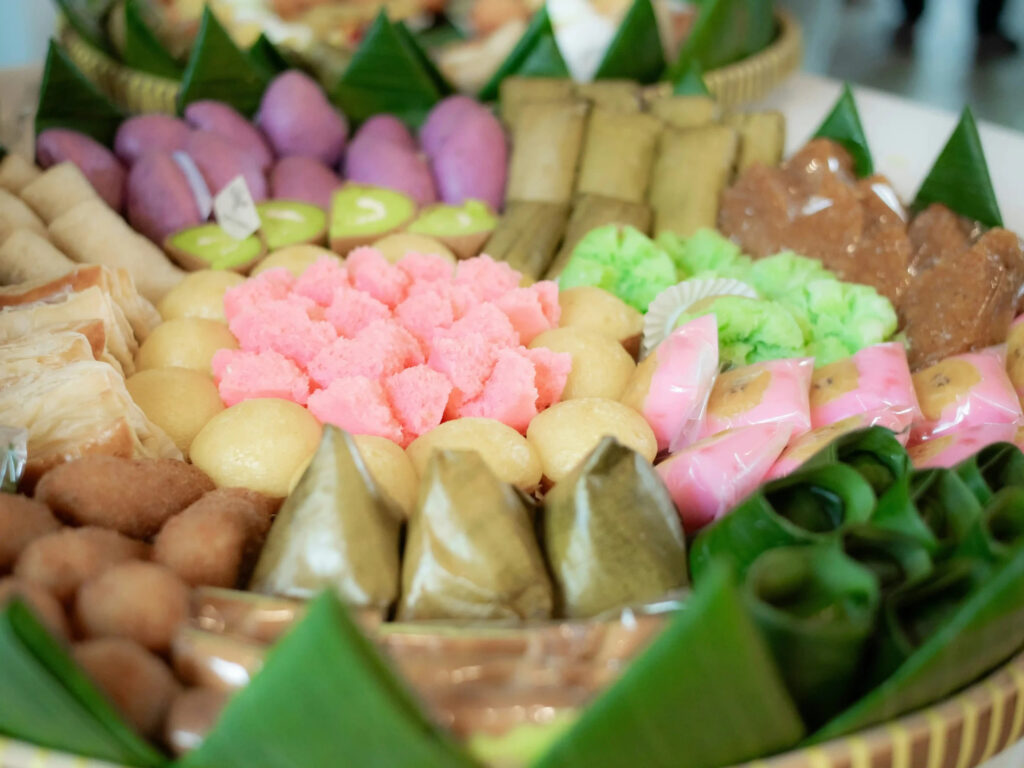
Festivals in Malay are not only about parades. They are about flavors, sounds, and connections. Local food stalls serve binakoe (chicken cooked inside bamboo), inuya (sticky rice cakes), and freshly caught seafood. Families prepare meals for relatives and friends, offering them freely during fiestas.
Drumming is the heartbeat of Ati-Atihan, with bamboo and leather instruments producing a sound that drives dancers and onlookers alike. Music and movement blur the line between participant and spectator, creating an atmosphere of inclusion. Visitors are often invited to join the dances, making festivals in Malay both deeply personal and universally accessible.
Responsible Tourism and Cultural Respect
Experiencing festivals in Malay requires sensitivity. Travelers are encouraged to participate respectfully, recognizing the religious and cultural significance of these events. Face painting during Ati-Atihan, for example, should be done with awareness of its roots in honoring the Ati people rather than treating it as a costume.
Supporting local businesses, buying from artisans, and respecting church ceremonies are simple ways to ensure that one’s presence contributes positively. In this way, festivals become not just a spectacle but an exchange between hosts and guests.
How to Get There & Around
Travelers heading to Malay can fly into either Caticlan Airport, located within Malay itself, or Kalibo International Airport, which is about two hours away by land. Caticlan is the gateway to Boracay, with a short boat ride connecting visitors to the island. For festivals like Ati-Atihan, Kalibo is the main destination, and buses or vans run frequently between Malay and Kalibo during the celebration period.
Getting around Malay is easy with tricycles, motorbikes, and vans-for-hire. On Boracay, e-trikes and boats remain the main forms of transport. During festivals, streets can become crowded, so walking is often the most efficient way to enjoy the celebrations.
Best Time to Visit & Weather
The best time to experience Malay’s festivals is in January, during the Ati-Atihan season. Weather during this time ranges from 26°C to 30°C, with dry skies ideal for outdoor parades and dances. For travelers who prefer smaller crowds, barangay fiestas occur year-round, and these provide a more intimate view of local traditions.
From November to May, the dry season also makes it easier to combine cultural exploration with Boracay’s beaches, offering a full spectrum of experiences in one trip.
Conclusion
The municipality of Malay, Aklan, may be known globally for Boracay’s White Beach, but its heart beats to the rhythm of drums in Ati-Atihan and countless local fiestas. These festivals embody a blend of devotion, history, and joy that binds communities together and welcomes visitors into their fold.
For travelers, joining these celebrations is not only a chance to witness vibrant parades and feasts but also to engage with the deeper cultural identity of the people of Malay. In experiencing these traditions with respect and curiosity, visitors help ensure that the heritage of Aklan continues to thrive alongside its world-class tourism.
Subscribe to our newsletter and get weekly updates on our blogs!