Introduction
Polomolok, a vibrant municipality in South Cotabato on the island of Mindanao, is home to over 172,000 people. Known for its rich agricultural lands and fertile soil, the town has become one of the country’s leading producers of pineapples, bananas, and other crops. Every year, this bounty and the spirit of community are showcased in the FlomLok Festival, a lively celebration filled with parades, cultural performances, and expressions of agricultural pride. For visitors, the festival offers an opportunity to witness how tradition, livelihood, and modern identity intertwine in a place that has quietly made its mark on the Philippine agricultural map.
Origins and Meaning of FlomLok
The name “FlomLok” comes from the B’laan term for Polomolok, highlighting the indigenous roots of the town. The festival was created to honor not only the agricultural abundance of the municipality but also the unity of its diverse residents. Polomolok is home to indigenous groups, migrant settlers, and workers from agricultural plantations, and the festival provides a venue for everyone to celebrate their shared achievements and cultural heritage.
The celebration reflects gratitude for the land and the livelihood it provides. Farmers, plantation workers, and local families all come together during the festival season, reinforcing Polomolok’s identity as a community built on hard work and agricultural pride.
Parades and Street Dancing
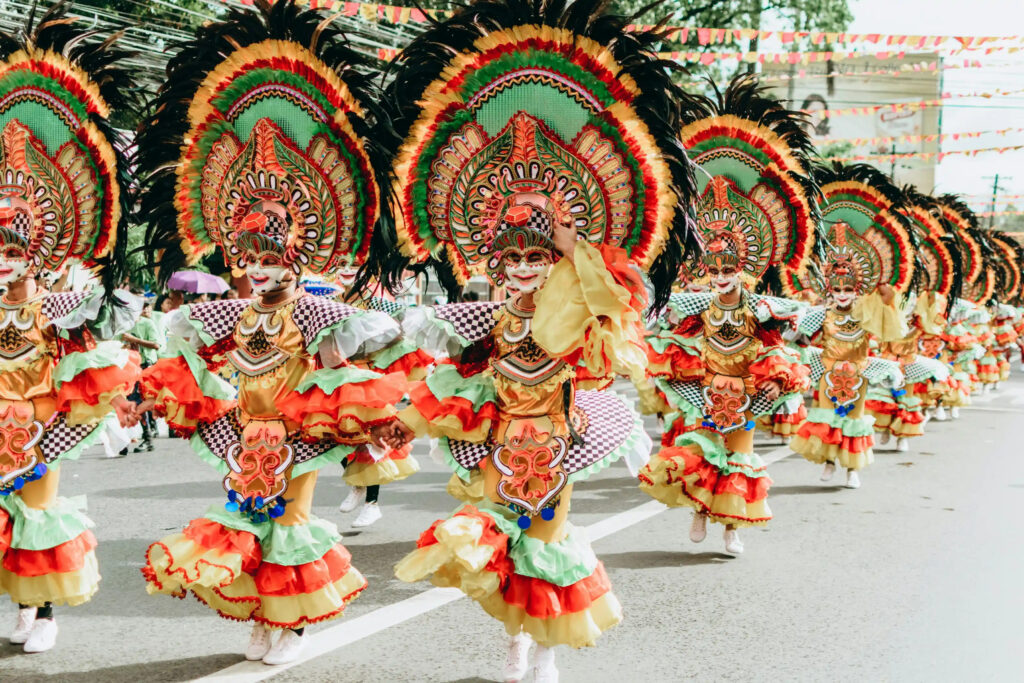
One of the highlights of the FlomLok Festival is the grand parade, where schools, community groups, and organizations take to the streets in colorful attire. Costumes often incorporate motifs inspired by fruits, flowers, and farming, symbolizing the town’s agricultural abundance.
Street dancing competitions bring energy and excitement to the celebration. Performers use vibrant choreography to tell stories of planting, harvesting, and thanksgiving. The rhythmic beat of drums and gongs fills the streets as participants blend modern and traditional movements. For spectators, these performances are a visual feast and a reminder of how culture remains alive in Polomolok’s younger generations.
Cultural Performances and Local Talent
The FlomLok Festival also serves as a stage for local talent. Cultural nights feature performances by schools, community groups, and indigenous tribes, showcasing traditional music, dances, and stories. These events highlight the diversity of Polomolok, where indigenous traditions coexist with influences from settlers who arrived in the 20th century.
Pageants and talent shows are also part of the festivities, adding a touch of glamour and entertainment. These events provide opportunities for young people to represent their barangays and display their creativity, confidence, and knowledge of local heritage.
Agricultural Pride and Showcases
Agriculture is the backbone of Polomolok, and the festival reflects this through exhibits and trade fairs. Farmers and producers showcase their harvests, from golden pineapples to fresh vegetables and bananas. Agro-industrial companies also take part, presenting modern farming techniques and innovations that help sustain the town’s productivity.
For visitors, these exhibits provide a deeper understanding of how agriculture shapes everyday life in Polomolok. The displays often include food fairs, where local delicacies are sold alongside fresh fruit juices and pineapple-based dishes. Supporting these stalls not only offers a taste of local cuisine but also helps farmers and small entrepreneurs.
Community Spirit and Local Traditions
What makes the FlomLok Festival memorable is not only the grand performances but also the sense of community that surrounds it. Families gather along the streets to watch parades, neighbors open their homes to guests, and schools dedicate months of preparation to contribute to the festivities.
Religious activities are also part of the celebration, with thanksgiving Masses held to honor the blessings received throughout the year. This integration of faith, culture, and livelihood makes the festival a reflection of Polomolok’s values.
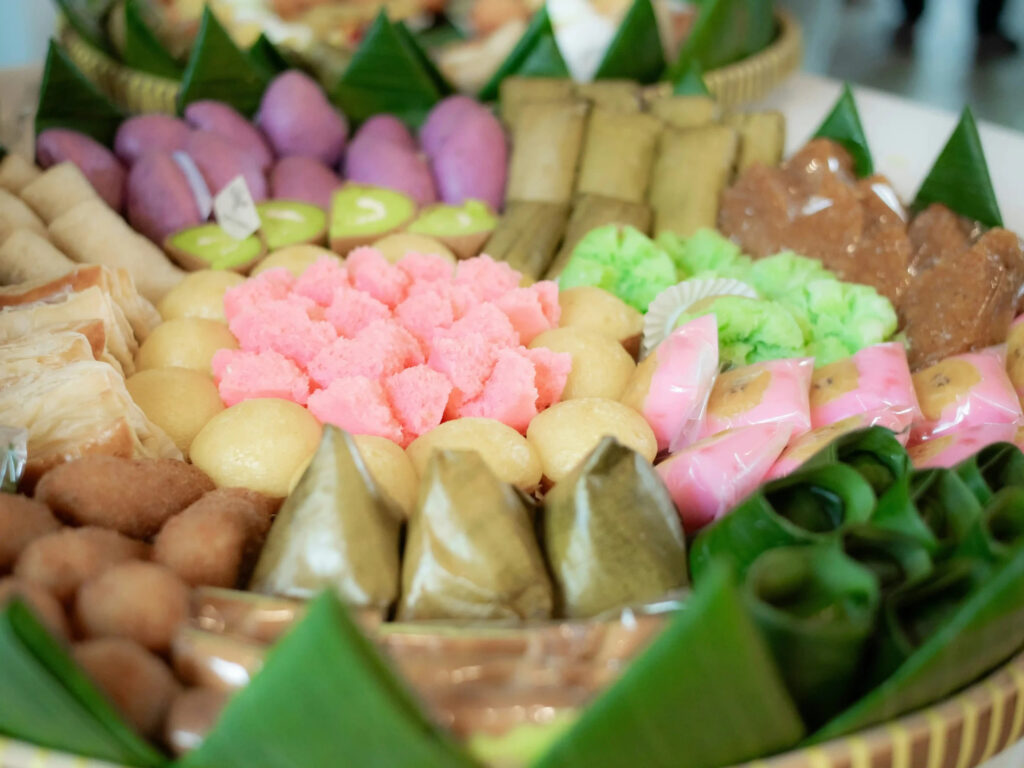
Local markets bustle with activity during the festival, with vendors selling fresh produce, handicrafts, and souvenirs. Visitors can sample traditional snacks such as suman (sticky rice wrapped in banana leaves) or enjoy grilled meats prepared by small eateries. These markets capture the warmth and hospitality of the town, where visitors are welcomed as part of the celebration.
How to Get There & Around
Polomolok is located just 17 kilometers south of General Santos City, making it accessible within a 30-minute drive from the airport. General Santos has regular flights to Manila and Cebu, making Polomolok easy to include in a Mindanao travel itinerary.
From General Santos, buses and vans bound for Koronadal or Davao pass through Polomolok. Tricycles and jeepneys are the common modes of transport within the town, while private vehicles or hired vans are convenient for groups traveling during the festival.
During FlomLok Festival week, traffic can be heavy near parade routes, so visitors are advised to plan ahead and allow extra time for travel.
Best Time to Visit & Weather
The FlomLok Festival is usually held in September, coinciding with the town’s founding anniversary. This timing makes it the best period to visit Polomolok, as the entire community comes alive with events and activities.
Polomolok has a tropical climate, with temperatures ranging from 24°C to 32°C. September is part of the rainy season, so visitors should prepare for occasional showers by bringing umbrellas and light rain jackets. Despite the rain, the festival continues, and the cooler climate adds to the comfort of exploring the town.
Responsible Travel Tips
Visitors are encouraged to travel responsibly by respecting local customs and traditions. During performances and religious events, modest attire and polite behavior are expected. Supporting local vendors and artisans helps sustain the economy and ensures that the benefits of tourism reach the community directly.
As with any festival, managing waste is important. Travelers should dispose of trash properly and minimize the use of plastics when purchasing food or drinks. By practicing responsible tourism, visitors contribute to preserving both the cultural and natural environment of Polomolok.
Conclusion
The FlomLok Festival of Polomolok is more than a town celebration. It is a vibrant expression of gratitude for the land, the people, and the traditions that sustain the community. From colorful parades and cultural performances to agricultural exhibits and family gatherings, the festival embodies the values of hard work, unity, and pride. For travelers, experiencing FlomLok is an opportunity to connect with the heart of Mindanao’s agricultural life and witness how faith and tradition thrive in harmony with modern progress. A visit during this celebration ensures not only memorable experiences but also a deeper appreciation for the people of Polomolok.
Subscribe to our newsletter and get weekly updates on our blogs!