Introduction
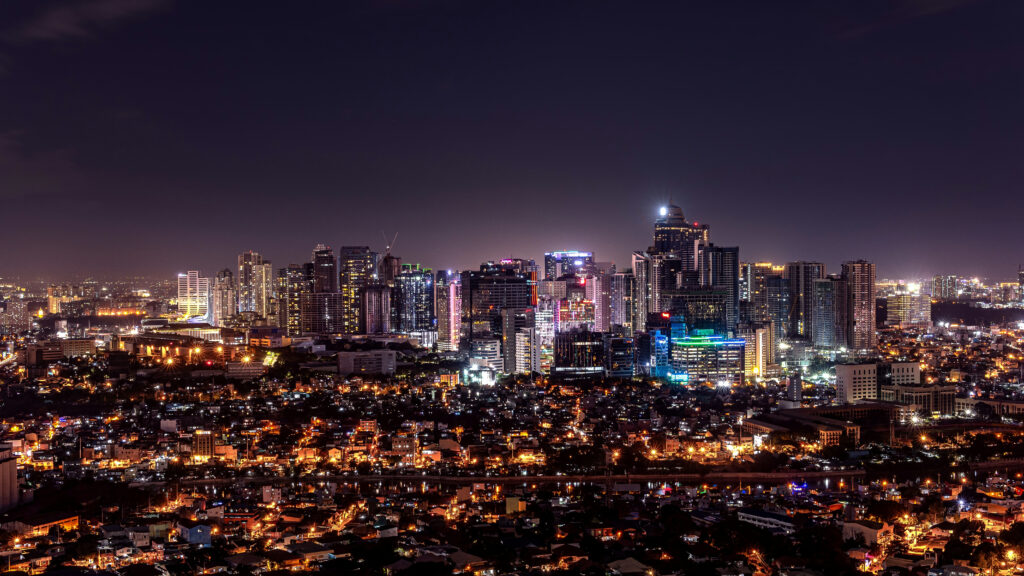
General Santos City, often shortened to GenSan, is one of the most dynamic urban centers in Mindanao. With a population of nearly 700,000, it is a city that has grown rapidly from its humble beginnings. What makes its story remarkable is the way it transformed from a small settlement known as Dadiangas into a thriving regional hub that today is recognized for its fishing industry, cultural diversity, and modern development. Its history is not only about economic growth but also about resilience, migration, and cultural blending.
One fun fact that enriches this story is that GenSan is located near Mount Apo, the tallest mountain in the Philippines, and is part of the region that helps conserve the critically endangered Philippine eagle, one of the largest eagles in the world. These natural symbols remind visitors that even in a bustling city, the ties to land and heritage remain strong.
The Origins of Dadiangas
Before it became General Santos City, the area was known as Dadiangas. The name came from a thorny shrub common in the region, reflecting the landscape that early settlers encountered. For centuries, the area was inhabited by indigenous groups such as the B’laan and T’boli, who thrived through farming, hunting, and fishing. Their presence remains deeply woven into the identity of South Cotabato, with cultural traditions and crafts still celebrated today.
In the 1930s, the transformation began when the national government initiated settlement programs in Mindanao. Waves of migrants from Luzon and the Visayas arrived, seeking new opportunities in agriculture. The fertile land of Dadiangas provided them with a fresh start, and this migration would shape the city’s future.
The Arrival of General Paulino Santos
The city’s modern name honors General Paulino Santos, a pioneering figure in Mindanao’s development. In 1939, he led the first group of Christian settlers to the area, overseeing agricultural colonization and infrastructure projects. His leadership provided the foundation for transforming Dadiangas into a structured community.
Renaming the city after him was not only a tribute to his vision but also a recognition of his role in shaping Mindanao’s settlement history. The shift from Dadiangas to General Santos marked the beginning of the city’s rise from a frontier town into an organized and promising urban center.
Growth into a Regional Hub
General Santos grew quickly thanks to its natural advantages. Its fertile plains supported large-scale agriculture, and its location along the Sarangani Bay made it a perfect base for fishing. The city eventually earned the title “Tuna Capital of the Philippines” because of its world-class fishing industry. Exports of tuna and other seafood brought jobs, investment, and international recognition.
The city also developed as a commercial and educational center. Markets, schools, and businesses flourished, attracting more settlers from across the country. This diversity shaped a vibrant cultural life where languages, food, and traditions from different regions blended together.
The Fun Fact in Context
Being in proximity to Mount Apo and the Philippine eagle habitat adds depth to General Santos’s identity. While the city is known for industry and commerce, it is also part of a larger ecological story. Mount Apo provides water sources, fertile soils, and biodiversity that support agriculture and fisheries in the region. The presence of the Philippine eagle nearby symbolizes the delicate balance between development and conservation, reminding both locals and visitors of the importance of protecting natural heritage.
Local Life and Culture
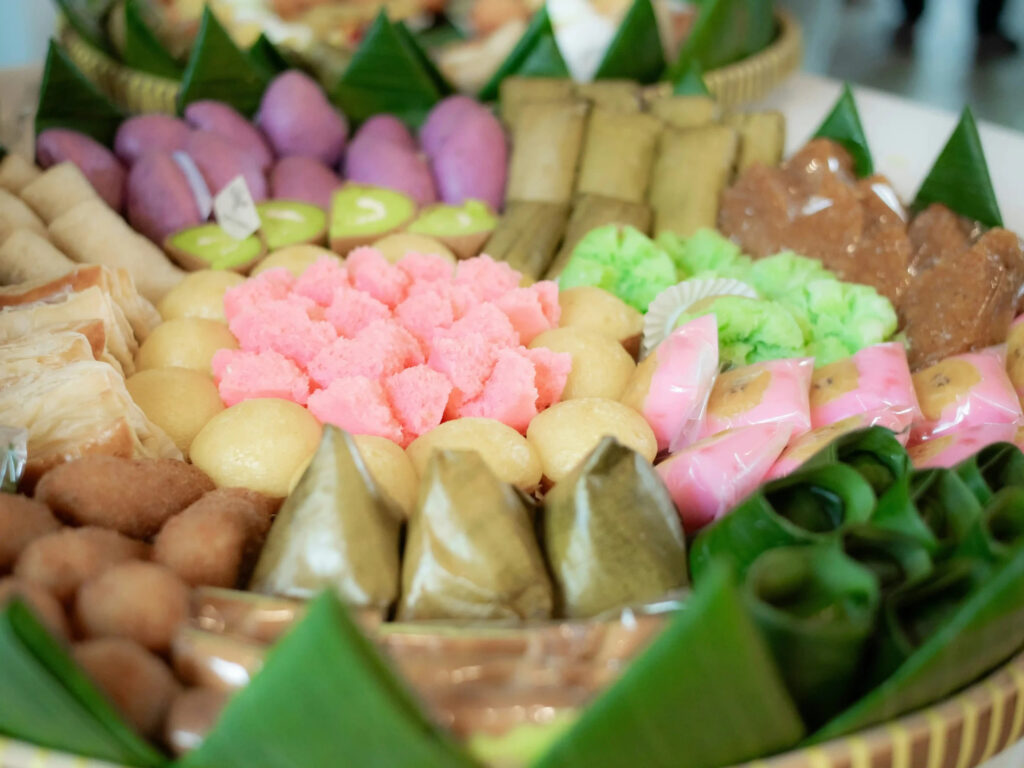
Life in GenSan revolves around both work and celebration. The city hosts the annual Tuna Festival, a lively event that highlights its fishing industry through parades, street dancing, and food fairs. Local dishes often feature fresh tuna, prepared in countless ways from sashimi-style servings to grilled specialties.
Markets like the General Santos Public Market offer a glimpse into daily life, where fresh seafood, tropical fruits, and woven crafts are traded. Dining in the city ranges from carinderias serving affordable meals to restaurants offering fusion dishes that reflect the city’s mix of cultures.
How to Get There & Around
General Santos City is served by General Santos International Airport, which connects it to Manila, Cebu, and other major destinations. Flights are frequent, and the airport is only about 30 minutes from the city center. Overland, buses link GenSan to neighboring cities such as Davao and Koronadal.
Within the city, tricycles remain the most common mode of transport. Jeepneys and vans provide affordable rides for longer routes, while private taxis and ride-hailing services offer more convenience for visitors.
Best Time to Visit & Weather
The best time to visit General Santos is in September during the Tuna Festival, when the city comes alive with performances and events. Weather in GenSan is tropical, with temperatures averaging between 25–32°C year-round. Rainfall is relatively well-distributed, but dry months are often considered more favorable for travel.
Visitors should bring light clothing, sunscreen, and umbrellas for occasional rain showers. For those planning outdoor activities such as exploring Sarangani Bay, calmer seas from March to May provide ideal conditions.
Responsible Travel and Community Connection
Traveling responsibly in General Santos means respecting its cultural diversity and supporting local livelihoods. Buying directly from local markets, dining in family-owned eateries, and joining community tours can make a meaningful impact. Visitors should also be mindful of plastic use, especially when buying seafood or fruits, to help keep the city’s coastal areas clean.
By learning about both the history of the settlers and the traditions of the indigenous groups, travelers can better appreciate the layers of identity that make GenSan unique.
Conclusion
From its beginnings as Dadiangas to its rise as General Santos City, the story of GenSan is one of transformation, resilience, and progress. It is a city where migration shaped identity, where industry fueled growth, and where culture continues to thrive. Beyond its economic success, General Santos remains a city tied to the land, the sea, and the heritage of its people.
Visiting GenSan offers more than just seafood feasts. It provides an opportunity to witness how history and modern life blend in one of Mindanao’s most important hubs.
Subscribe to our newsletter and get weekly updates on our blogs!