Introduction to General Trias
General Trias, a city in Cavite with a population of over 450,000, is a thriving urban center that has held on to its historical roots while embracing modern growth. Once an agricultural town known for rice fields and sugarcane, General Trias today is a mix of industrial parks, subdivisions, and heritage sites. At the core of its cultural identity is the General Trias Parish Church, officially named the Church of St. Francis of Assisi.
This Spanish-era church is not only a place of worship but also a monument to the town’s long journey through colonization, revolution, and modernization. It stands as a reminder of how faith and community have carried General Trias through the centuries.
The Spanish-Era Foundation
The General Trias Parish Church dates back to the late 18th century, when Spanish missionaries expanded Catholic influence in Cavite. Like many churches of its time, it was constructed with adobe and stone, reflecting the durability of colonial architecture. Its façade, though not as ornate as some other Baroque churches in the Philippines, reflects a blend of European style and local craftsmanship.
The church was dedicated to St. Francis of Assisi, a saint known for simplicity and compassion, which resonated with the town’s agricultural community. Over the years, the structure has seen renovations and expansions, but its historical character has been preserved, making it one of Cavite’s oldest surviving landmarks.
Role in the Philippine Revolution
Cavite was a hotbed of revolutionary activity during the late 19th century, and General Trias played a significant part in the movement against Spanish rule. The church was not only a religious site but also a gathering place for revolutionaries. It is said that meetings and planning sessions were held in the vicinity, linking the church to the town’s patriotic legacy.
When the revolution spread across Luzon, the faithful of General Trias balanced their devotion to God with their fight for freedom. The parish church thus became both a symbol of religious faith and a silent witness to the struggle for independence.
Architecture and Sacred Spaces
Visitors will notice the church’s modest yet dignified architecture. The main façade, built from stone, is framed by simple columns and arched windows. Inside, the wooden pews and high ceilings create a sense of solemnity. The altar features traditional Catholic iconography, including statues of St. Francis of Assisi and other saints.
The adjoining bell tower, often the tallest structure in towns during the Spanish period, remains a striking feature. Its bells once marked the hours of the day, called people to worship, and rang out during times of crisis. Today, they continue to toll during Mass and feast days, tying present worshippers to their ancestors.
Living Traditions and Festivals
The faith of General Trias residents continues to revolve around the parish church. Annual fiestas honoring St. Francis of Assisi draw both locals and visitors. These events combine liturgical celebrations with lively street processions, music, and food stalls.
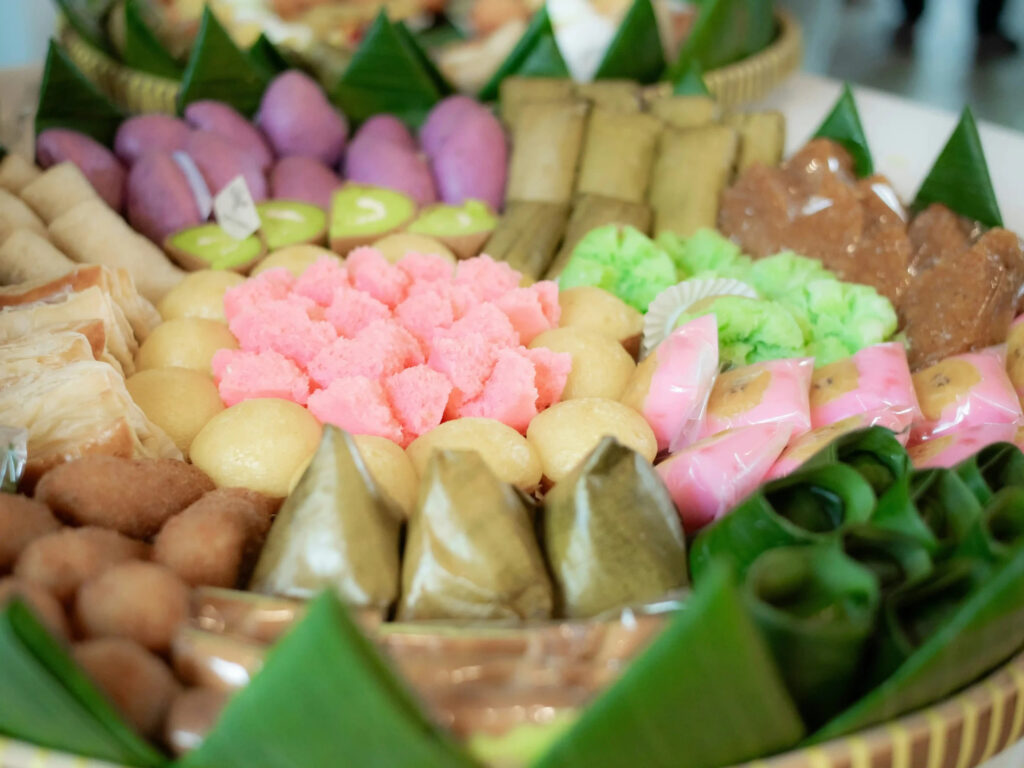
Simbang Gabi, the nine-day series of dawn Masses leading up to Christmas, is another highlight. Families gather before sunrise, filling the church with song and devotion. Afterward, they enjoy local delicacies such as bibingka and puto bumbong, sold by vendors outside the church.
These traditions show how the parish church remains a focal point of community life, not just as a religious site but as a place of cultural continuity.
Exploring General Trias Beyond the Church
While the church is the city’s historical heart, visitors can also explore other aspects of General Trias. The public plaza surrounding the church offers a chance to see everyday life in Cavite unfold. Local eateries serve Caviteño specialties such as pancit pusit (black noodles made with squid ink) and tamales.
For history enthusiasts, nearby towns like Kawit and Imus host other important revolutionary landmarks, creating opportunities for a heritage trail through Cavite. General Trias is thus a fitting stop on a journey that combines faith, culture, and history.
How to Get There & Around
General Trias is located about 35 kilometers south of Manila. From the capital, buses and vans bound for Cavite pass through the city. Private vehicles can take the Cavite–Laguna Expressway or Coastal Road, with travel time ranging from one to two hours depending on traffic.
Within General Trias, tricycles and jeepneys are the most common modes of transportation. For those visiting specifically for the parish church, the central plaza is easy to reach and serves as a convenient starting point for exploring the town.
Best Time to Visit & Weather
Like much of Luzon, General Trias experiences a tropical climate, with temperatures ranging from 25°C to 33°C. The dry season, from December to May, is the best time to visit. This period also coincides with many religious festivities, making it ideal for cultural immersion.
The feast of St. Francis of Assisi, celebrated every October 4, is the most important event for the parish. Travelers planning a heritage tour may find this date particularly rewarding, as the city comes alive with processions, music, and communal gatherings.
Responsible Travel in General Trias
When visiting the parish church, modest attire is encouraged as a sign of respect. Photography is generally allowed, but visitors should be mindful during religious services. Supporting local vendors and artisans helps sustain the community’s economy.
Travelers can also practice eco-conscious habits, such as minimizing plastic use and properly disposing of trash. These small steps ensure that General Trias remains welcoming and sustainable for future visitors.
Conclusion
The General Trias Parish Church of St. Francis of Assisi is more than a religious landmark. It is a living witness to centuries of faith, cultural heritage, and revolutionary history. For travelers exploring Cavite, it offers a deeper understanding of how devotion and resilience shaped communities through time.
To walk through its doors is to connect with generations of Filipinos who prayed, celebrated, and fought for both faith and freedom. For anyone drawn to history, culture, or spirituality, General Trias offers a meaningful journey into the soul of Cavite.
Subscribe to our newsletter and get weekly updates on our blogs!