Introduction
Lapu-Lapu City, located on Mactan Island and home to nearly 498,000 people, is best known to many travelers for its beaches, resorts, and history tied to the Battle of Mactan. Yet beyond the shoreline lies another cultural treasure: the guitar-making industry. For generations, families in Lapu-Lapu have handcrafted guitars and other string instruments, earning the city a reputation as the guitar capital of the Philippines. Exploring this tradition provides insight into Cebuano artistry, music, and community life.
Cebu as the Birthplace of Christianity
The fun fact that Cebu is considered the birthplace of Christianity in the Philippines ties in with the story of guitars in Lapu-Lapu. When Spanish missionaries arrived in the 16th century, they brought with them European string instruments such as the guitar, bandurria, and laud. Over time, Cebuanos embraced these instruments, integrating them into both religious and folk music. This cultural blending gave rise to a lasting guitar-making tradition that continues today in Lapu-Lapu City.
History of Guitar-Making in Lapu-Lapu
The roots of Lapu-Lapu’s guitar industry stretch back several centuries. Families began crafting guitars by hand, often using local materials such as jackfruit wood for bodies and indigenous shells for decorative inlays. These instruments were made not only for music but also as symbols of cultural identity.
By the 20th century, Lapu-Lapu’s guitar-makers were producing instruments not just for local use but also for national and international markets. Their craftsmanship became highly sought after, with instruments shipped to Manila and beyond. Today, guitar shops line the streets of barangays like Abuno, where artisans continue to carve, assemble, and polish instruments largely by hand.
The Craftsmanship Process
What makes Lapu-Lapu’s guitars special is the meticulous, hands-on process behind each instrument. Artisans typically begin by selecting the wood, which determines the tone and durability of the guitar. While jackfruit remains a traditional choice, mahogany, narra, and imported woods are also used.
The wood is cut, shaped, and joined to form the guitar’s body, neck, and head. The soundboard is carefully constructed to ensure resonance, and frets are measured with precision. Decorative touches often include inlays made from mother-of-pearl or abalone shells, reflecting Cebu’s maritime culture. Finally, the instrument is polished and strung, ready to produce the distinct warm tones that Lapu-Lapu guitars are known for.
Visitors who tour guitar shops can witness this process firsthand. Many shops welcome guests into their workshops, where the smell of freshly cut wood fills the air and artisans explain each step of the craft.
Cultural Impact and Local Identity
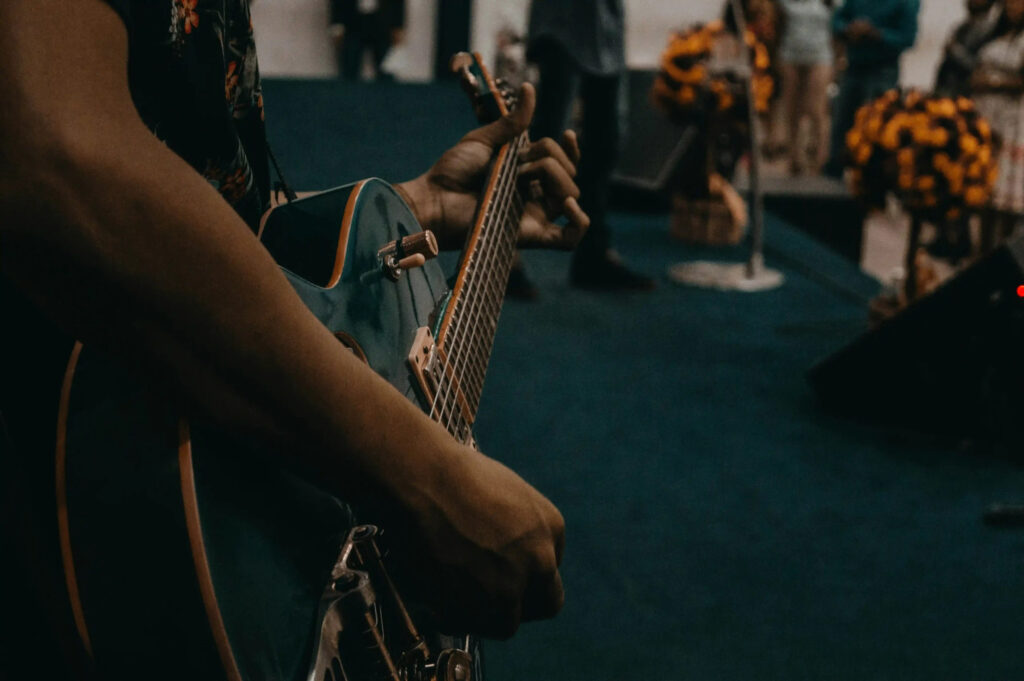
The guitar is more than just an instrument in Lapu-Lapu City. It is a symbol of creativity and livelihood. Families have passed down techniques for generations, and entire communities depend on the craft for income. The guitar-making tradition has also shaped Cebu’s musical identity, as local bands, church groups, and folk performers rely on these handcrafted instruments.
In festivals and cultural events, guitars often appear as both tools of performance and symbols of heritage. Tourists purchasing a Lapu-Lapu guitar bring home not only a musical instrument but also a piece of Cebu’s cultural story. Prices vary depending on materials and craftsmanship, with basic guitars starting at around ₱2,500 and finely crafted models reaching ₱10,000 or more.
Visiting the Guitar Shops
Barangay Abuno is the heart of the guitar-making industry in Lapu-Lapu City. Along its streets, dozens of family-owned shops display rows of guitars, ukuleles, and bandurrias. Some shops also offer custom-made instruments tailored to specific requests.
Visitors can try out different guitars, compare tones, and speak directly with artisans about their craft. Many shops also sell smaller souvenirs such as miniature guitars or ukuleles, which make affordable gifts at around ₱300–₱500.
Beyond Abuno, guitar shops can also be found near the city’s main roads and tourist areas, making them accessible to travelers staying in Mactan resorts.
How to Get There & Around
Lapu-Lapu City is connected to Cebu City by the Marcelo Fernan and Mactan-Mandaue bridges. From Mactan-Cebu International Airport, it takes only 15–20 minutes by taxi or ride-hailing service to reach the main guitar-making areas. Fares typically range from ₱150 to ₱250.
Jeepneys and tricycles are the primary modes of local transport within the city, with fares as low as ₱10–₱20. For greater flexibility in exploring both guitar shops and nearby attractions, renting a scooter from providers like CebuBikeRent.com is a convenient option.
Best Time to Visit & Weather
Guitar-making is a year-round activity, so travelers can visit anytime. Cebu’s tropical climate, with temperatures averaging 24°C at night and 32°C during the day, makes shop tours comfortable throughout the year. However, December to May is the driest season and the best time for combining a guitar shop visit with beach outings or city tours.
Travelers visiting in January may also witness performances during the Sinulog Festival in Cebu City, where guitars often feature in cultural presentations.
Responsible Travel Tips
When buying a guitar or touring workshops, travelers should respect the artisans and their work. Avoid haggling excessively, as the prices reflect the time and skill invested in each piece. If taking photos inside workshops, ask permission first. Supporting small family-owned shops directly contributes to sustaining this heritage craft. Carrying reusable bags for purchases helps minimize plastic use.
Exploring Lapu-Lapu’s guitar shops is even more rewarding when you can move like a local. With a scooter from CebuBikeRent.com, you can easily hop between workshops, markets, and nearby resorts, discovering Cebu beyond the usual tourist path.
Conclusion
The guitar-making industry in Lapu-Lapu City is a living tradition that embodies Cebuano artistry, resilience, and creativity. From the careful selection of wood to the finishing polish, each guitar tells a story of heritage and passion. For travelers, visiting Lapu-Lapu’s guitar shops is not only an opportunity to take home a unique instrument but also a chance to connect with the cultural heartbeat of the city. Whether you are a musician or a curious traveler, the guitar-making heritage of Lapu-Lapu City deserves a place on your Cebu itinerary.
Subscribe to our newsletter and get weekly updates on our blogs!