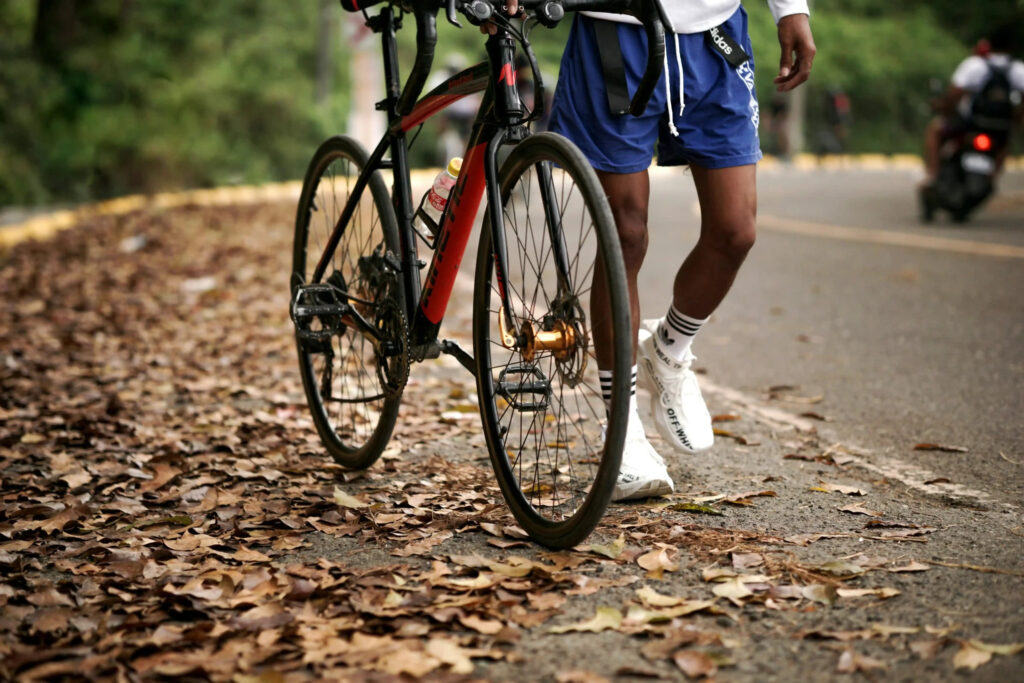
Health and fitness in the Philippines are shaped not only by personal goals but also by lifestyle, climate, and cultural practices. Outdoor activities are part of daily life, whether it is walking through vibrant markets, swimming on nearby shores, or taking part in community sports. For those beginning or refining their fitness journey, understanding the benefits, costs, and time commitment of different approaches helps create a path that is realistic and sustainable.
This article explores the value of health and fitness routines in the Philippines through a lens of practicality. It highlights how to balance personal investment with outcomes, while also respecting cultural and environmental considerations.
The Benefits of a Health and Fitness Routine
The tropical setting of the Philippines makes outdoor movement more accessible, yet it also presents challenges such as heat and humidity. A structured health and fitness routine addresses both.
Physical Benefits
- Improved strength and endurance for daily activities, from commuting on foot to weekend trips outdoors.
- Flexibility and posture improvements that reduce stress from long hours of work.
- Stronger cardiovascular health, which is important in warm, humid conditions.
Mental Benefits
- Relief from stress often tied to urban living.
- Improved focus and sleep cycles.
- A sense of balance when combining fitness with outdoor environments such as beaches, parks, and mountains.
Community Benefits
- Group exercises and community sports foster connection.
- Shared activities reinforce cultural traditions of cooperation and support.
- Encouraging friends or family to join can spread positive lifestyle habits.
Costs of Building a Routine
Fitness does not need to be expensive in the Philippines, but costs vary depending on your chosen approach.
- Minimal-cost options: Bodyweight exercises, running, or stretching require little more than open space and consistent effort.
- Moderate-cost options: Yoga mats, resistance bands, or basic weights add a layer of flexibility to your routine.
- Higher-cost options: Gym memberships, structured classes, or specialized training equipment involve regular fees.
The key is aligning costs with commitment. Overspending early can lead to frustration if the routine is not sustainable, while underinvesting may limit results.
Time Commitment: Finding the Balance
Time is often the biggest barrier for beginners. The Philippine lifestyle includes family, work, and community responsibilities that compete with personal time.
- Short sessions: 20–30 minutes per day can provide meaningful benefits, especially when performed consistently.
- Moderate sessions: 45–60 minutes, three to four times a week, balance intensity with recovery.
- Long sessions: Over an hour, best suited for advanced training or those preparing for specific goals.
Consistency outweighs duration. A realistic, repeatable schedule will always be more valuable than ambitious routines abandoned after a few weeks.
Practical Tips for Staying Consistent
- Choose a routine that fits naturally into your day, such as morning yoga or evening walks.
- Store fitness gear in a dry, accessible place to avoid damage from humidity.
- Hydrate frequently, as average daily temperatures range between 25–32 °C.
- Track progress weekly, not daily, to focus on trends rather than fluctuations.
- Respect shared outdoor spaces by minimizing noise, cleaning up after use, and being mindful of others.
Cultural and Environmental Awareness
In the Philippines, fitness often blends with lifestyle rather than existing as a separate task. Playing basketball with neighbors, joining Zumba sessions at community centers, or hiking during family trips are common ways people stay active. Recognizing this helps beginners see fitness not only as personal progress but also as participation in cultural practices.
At the same time, environmental responsibility is vital. Fitness should not come at the cost of leaving waste in outdoor spaces or overusing fragile natural resources. Bringing reusable bottles, cleaning up after workouts, and showing courtesy in shared areas reflect values of respect and sustainability.
Building Your Personalized Routine
To create a balanced fitness path in the Philippines:
- List your goals: Do you want to improve flexibility, build strength, or simply feel healthier?
- Choose the scale of investment: Match your budget with your chosen activities.
- Plan your weekly schedule: Be realistic about time commitments.
- Integrate local culture: Join community activities when possible.
- Revisit your routine every few months to adjust for progress or lifestyle changes.
This approach ensures that your routine is not only effective but also sustainable in the Philippine context.
Conclusion
The path to health and fitness in the Philippines does not have to be complicated. By weighing benefits, costs, and time commitment, you can create a routine that fits your goals while respecting your environment and cultural context. The key is to start where you are, commit to what is manageable, and build gradually.
When health and fitness become part of your daily rhythm, the rewards extend beyond personal gain. They ripple through communities, traditions, and the shared experience of outdoor living in the Philippines.
Subscribe to our newsletter and get weekly updates on our blogs!