Introduction
Mogpog, a northern municipality in Marinduque with a population of about 34,516, is a town where history and culture are woven into the streets and homes. Marinduque is widely known as the heart-shaped island and for the colorful Moriones Festival held every Holy Week, which originated in Mogpog. Yet beyond festivals and religious events, Mogpog also holds another treasure: its heritage and ancestral houses. These colonial-era homes and the stories behind them serve as living markers of Marinduque’s past, reflecting both Spanish influence and the resilience of the local community.
Exploring Mogpog’s heritage homes provides insight into how families once lived, how architecture adapted to the island’s climate, and how traditions continue to survive despite modern pressures.
Historical Context of Mogpog’s Heritage
During the Spanish colonial period, Mogpog, like much of Marinduque, became part of the mission efforts to establish Catholic parishes and towns. Families of influence built large homes near the church and town center. These structures were often made with hardwood, stone, and capiz shell windows, blending strength with elegance.
Many of these homes followed the traditional “bahay na bato” style, where the ground floor was constructed from stone or masonry and the upper floor from wood. This design provided both durability against typhoons and space for family life. While some houses have been lost to time, those that remain offer a glimpse into colonial life and the social structures that shaped Mogpog.
Architectural Features
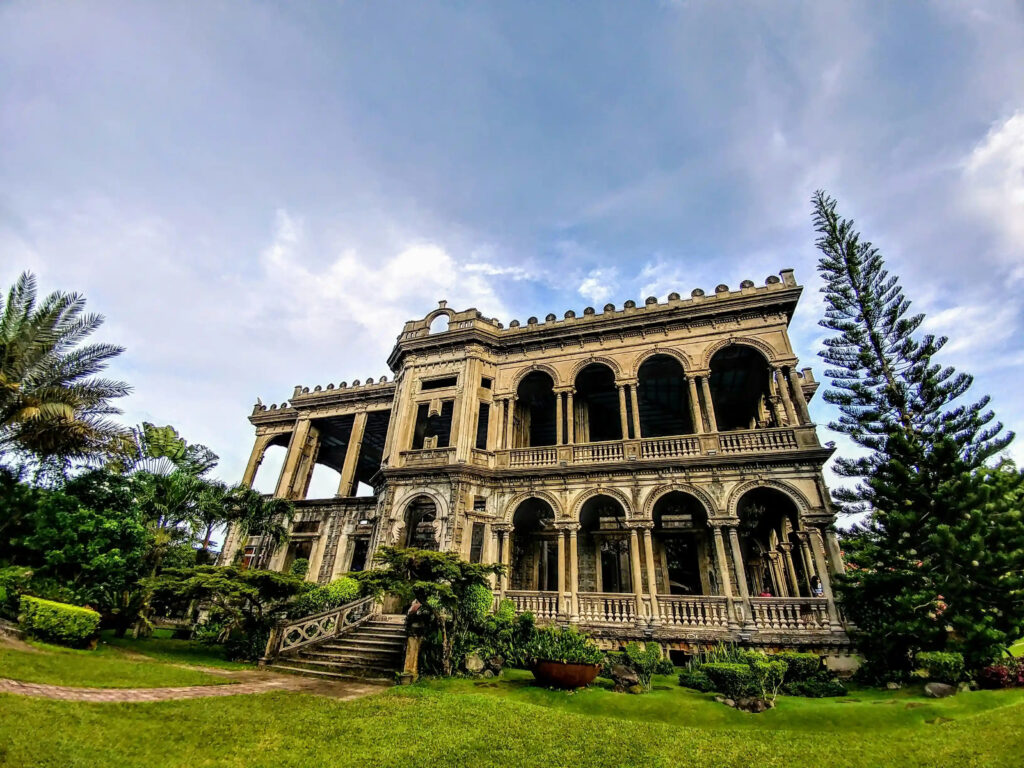
The ancestral houses in Mogpog reflect the adaptation of Spanish design to a tropical island environment. High ceilings and wide windows ensured ventilation, while elevated living spaces protected residents from floods and provided storage for agricultural goods. Capiz shell window panels, a hallmark of Philippine colonial homes, allowed light to filter through softly while keeping interiors cool.
Intricate wooden carvings, grand staircases, and tiled flooring in some houses reveal the craftsmanship that went into construction. Even homes that now show signs of wear still retain traces of this elegance. These architectural details tell not just of wealth but also of the importance placed on beauty and durability in family life.
Walking through the town center, visitors can still see clusters of such houses, each with unique stories tied to the families that have lived there for generations.
Stories and Community Ties
Heritage homes are more than architectural relics; they are repositories of family history. Generations of Mogpog residents grew up in these houses, and many remain family-owned to this day. Some have been converted into modern residences while still preserving original elements such as wooden beams, staircases, and altars.
Local stories often link these homes to events such as fiestas, religious processions, and even the origins of the Moriones Festival. Oral traditions passed down by elders add richness to the experience of visiting these houses. For travelers, engaging with locals and listening to these narratives brings the past alive in ways that buildings alone cannot.
Cultural Value and Preservation
Preservation of Mogpog’s ancestral houses is an ongoing challenge. Some families maintain their homes with pride, while others struggle with the costs of upkeep. The tension between modernization and heritage preservation is evident in towns like Mogpog, where ancestral houses stand beside newer concrete structures.
Cultural advocates in Marinduque emphasize the need to preserve these homes not just for their architecture but for their cultural significance. They represent the continuity of Marinduque’s identity, where Catholic devotion, family values, and colonial history intersect. Travelers who show respect, seek permission before taking photos, and support local initiatives contribute to keeping these traditions alive.
How to Explore Mogpog’s Heritage
Visitors to Mogpog can start at the town center, near St. John the Baptist Parish Church, where several heritage houses are located within walking distance. Local guides or community elders can often share background stories about the families who built them.
Practical tips include wearing comfortable walking shoes, as exploring involves moving through narrow streets and uneven walkways. Bringing a camera is recommended, but travelers should always ask permission if photographing private homes. Donations to local cultural groups, when available, also help in supporting preservation.
How to Get There & Around
Mogpog is accessible by land from Boac, the capital of Marinduque, in about 30 to 45 minutes. From Manila, travelers can take a bus to Lucena in Quezon Province and then board a ferry to Marinduque’s ports such as Cawit or Balanacan. Once on the island, jeepneys and tricycles provide transport to Mogpog.
Within the town, tricycles are the most common mode of transport, with fares between ₱20 and ₱50. For those who prefer flexibility, renting a motorbike for a day allows exploration of Mogpog and nearby heritage towns.
Best Time to Visit & Weather
The best time to explore Mogpog’s heritage homes is during the dry season, from December to May, when walking tours are more comfortable. Temperatures average around 30°C, and the skies are usually clear.
Visiting during Holy Week offers the added experience of the Moriones Festival, which fills the streets with masked performers and processions. However, this period is also the busiest, so travelers should be prepared for larger crowds and limited accommodation. For quieter visits, weekdays outside festival season provide a more relaxed pace for exploring the town and its ancestral houses.
Conclusion
Mogpog’s heritage and ancestral houses are windows into the past, offering travelers the chance to see Marinduque’s history through its architecture and family stories. They represent more than old walls; they embody the resilience, faith, and traditions of a community that continues to value its cultural roots.
For those visiting Marinduque, exploring Mogpog’s ancestral houses provides depth beyond beaches and festivals. It is a reminder that heritage lives not only in grand monuments but also in the homes and stories of everyday people.
Subscribe to our newsletter and get weekly updates on our blogs!