Cebu, a central hub of the Visayas, is often celebrated for its vibrant urban energy and its surrounding islands with white sand beaches. Yet beyond the busy streets of Cebu City and the tourist-favored resorts lies another side of the province: a landscape of mountains, trails, and waterfalls waiting to be explored. Hiking in Cebu is more than exercise; it is an immersion into history, culture, and natural wonder. From the rolling peaks of the southern highlands to the rugged cliffs along the coast, Cebu offers a hiking experience that balances accessibility with adventure.
Hiking in the Heart of Cebu
Cebu’s geography is shaped by a long, narrow island stretching from north to south. Its spine is defined by mountain ranges, making hiking a natural way to discover its interior. Trails here vary from short walks to multi-day treks, offering something for beginners and seasoned climbers alike. The proximity of mountains to urban centers like Cebu City makes it possible to enjoy a hike in the morning and return to the city by evening, a convenience few islands can offer.
Key Hiking Locations and Trails
Osmeña Peak and the Dalaguete Highlands
Osmeña Peak, located in Dalaguete in southern Cebu, is the island’s highest point at 1,013 meters above sea level. The trail to the summit is relatively short and beginner-friendly, making it one of the most popular hikes in Cebu. The reward is a panoramic view of jagged hills that resemble a miniature version of Bohol’s Chocolate Hills. On clear days, hikers can see across the Tanon Strait to Negros Island.
Nearby trails connect Osmeña Peak to other highland destinations, such as Kawasan Falls. This longer trek, often called the Osmeña Peak to Kawasan traverse, takes a full day and involves crossing vegetable farms, forested paths, and streams before arriving at the turquoise pools of Kawasan. It is a quintessential Cebu hiking experience that combines mountain and waterfall.
Mt. Manunggal and the Historical Trail
Mt. Manunggal in Balamban is another well-known hiking destination, not only for its natural scenery but also for its historical significance. It is the crash site of former Philippine President Ramon Magsaysay’s plane in 1957. A monument at the summit commemorates this event, making the hike both a physical and reflective journey.
The trail is moderate, passing through pine trees and rolling hills before reaching the summit. Every March, locals and hikers gather here for a commemorative climb, turning the hike into a community event that blends history, remembrance, and camaraderie.
Sirao Peak and Beyond
Sirao Peak, near Cebu City, offers a convenient hiking option for those who want a quick escape from the urban center. The trail is moderately challenging, with steep sections, but the summit rewards visitors with sweeping views of the city, Mactan Channel, and nearby islands. Sirao Peak is often combined with treks to nearby hills, creating a circuit that suits day hikers looking for variety.
The area around Sirao is also famous for its flower gardens, adding a cultural and scenic dimension to the hike. Many visitors enjoy combining a hike with a visit to these gardens to appreciate how locals cultivate beauty alongside rugged landscapes.
Mt. Naupa in Naga
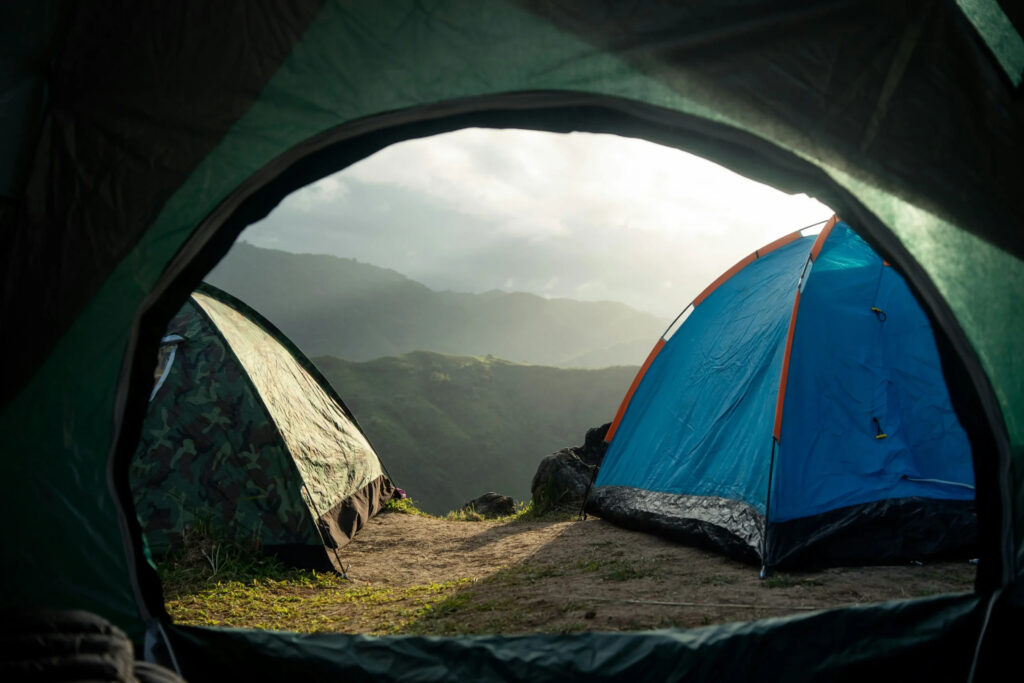
For beginners or those seeking a relaxed climb, Mt. Naupa in Naga is an excellent choice. The trail is short, passing through farmland and small villages before reaching a grassy summit. The peak is popular among young hikers and families, especially for overnight camping trips. Watching sunrise or sunset from Mt. Naupa provides a serene experience, with views extending across Cebu’s southern landscapes.
Waterfall Trails
Cebu is also known for its waterfalls, many of which require short hikes. Aside from Kawasan Falls in Badian, there is Dao Falls in Samboan, known for its narrow canyon leading to a tall cascade, and Aguinid Falls, which involves climbing multiple tiers of water and rock. These waterfall treks are perfect for hikers who enjoy combining physical effort with refreshing swims.
History, Culture, and Lifestyle Along the Trails
Hiking in Cebu is not only about reaching summits. Trails often pass through farming communities where daily life reflects the island’s agricultural heritage. Vegetables grown in the highlands of Dalaguete supply markets across the province, and meeting farmers along the trail highlights the connection between land and livelihood.
Cebu also holds deep historical importance. The province was the site of the first Spanish settlement in the Philippines, and it played a central role in the spread of Christianity. While these events are better known in urban landmarks like Magellan’s Cross and Fort San Pedro, the mountains also carry history, from old trade routes to memorial sites like Mt. Manunggal.
Cultural traditions thrive in rural communities. Hikers often encounter local fiestas, where music, food, and dance bring villages to life. Experiencing these moments provides a sense of connection that goes beyond the physical trail.
How to Get There & Around
Cebu is accessible through Mactan-Cebu International Airport, which serves both domestic and international flights. Ferries connect Cebu to neighboring islands such as Bohol, Negros, and Leyte.
Within Cebu, buses and vans run along the north-south highway, connecting Cebu City to towns near trailheads. For remote areas, habal-habal (motorcycle taxis) are the most practical option. Renting a private car or joining organized hiking tours can also provide convenience, especially for those unfamiliar with rural transport.
Best Time to Visit & Weather
The best season for hiking in Cebu is from December to May, when the weather is dry and temperatures range between 25°C and 32°C. Rainy months from June to November can make trails muddy and slippery, especially for longer traverses.
At higher elevations, such as Osmeña Peak and Mt. Talinis routes nearby, temperatures can drop below 20°C, so light jackets are recommended for early mornings and evenings. Always check weather conditions before a hike, as sudden rain can affect river crossings and trail safety.
Typical Costs and Fees
Entrance fees to Cebu’s hiking spots are generally affordable, ranging from ₱20 to ₱100 per person. Some areas, like Osmeña Peak or Sirao Peak, also charge small environmental fees. Guides for longer treks, such as the Osmeña Peak to Kawasan traverse, may cost ₱500 to ₱1,000 depending on group size.
Camping fees are minimal, usually around ₱50 to ₱100 per tent. Transportation and food remain budget-friendly, with local eateries providing meals at modest prices.
Practical Tips and Responsible Travel
- Hire Local Guides: Especially important for traverses or multi-day hikes to ensure safety and navigation.
- Respect Local Communities: Ask permission when passing through private land, and greet villagers warmly.
- Travel Light but Prepared: Bring sufficient water, snacks, and rain protection.
- Support Local Economies: Buy food and handicrafts in rural markets, helping sustain livelihoods.
- Leave No Trace: Carry waste out of trails and avoid damaging plants or disturbing wildlife.
Local Insights: Food, Markets, and Traditions
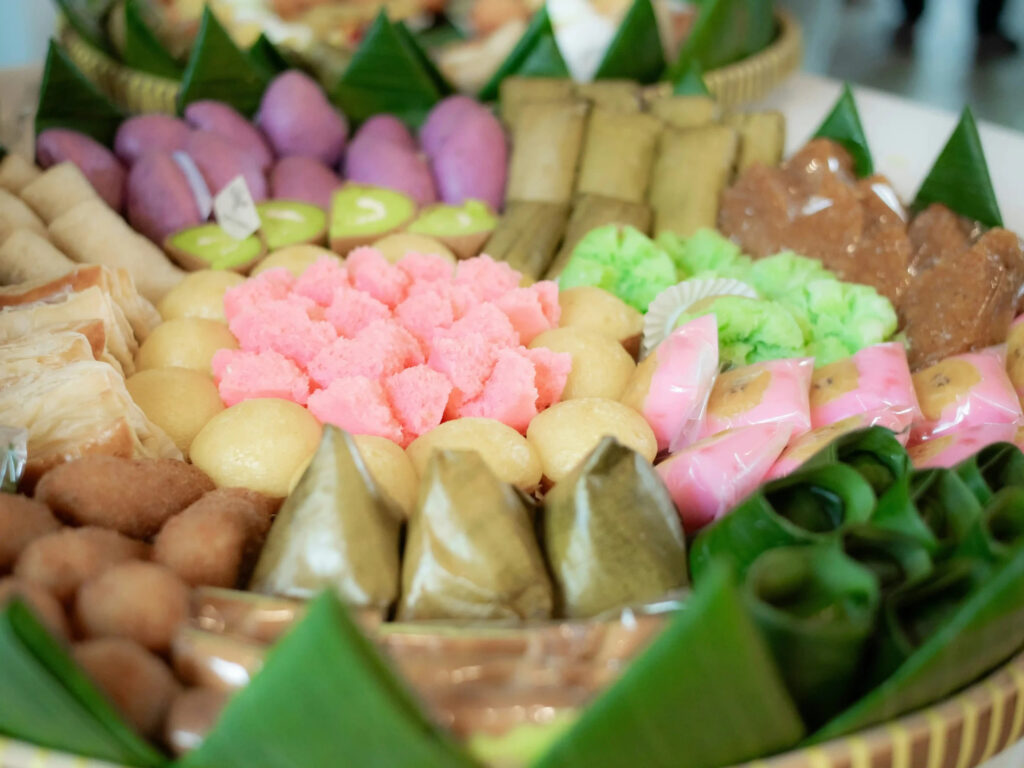
Hiking in Cebu pairs well with sampling local cuisine. After a climb, many hikers enjoy lechon, Cebu’s famous roasted pig, or ngohiong, a vegetable spring roll. Rural markets near trailheads offer fresh fruits, snacks, and traditional delicacies like budbud (sticky rice wrapped in banana leaves).
Festivals such as Sinulog in Cebu City highlight the province’s religious and cultural heritage, while smaller barangay fiestas bring together communities in music and dance. Hiking during these times allows travelers to witness Cebu’s identity at its most vibrant.
Conclusion
Cebu, Visayas, is a destination that proves hiking can be both adventurous and cultural. From Osmeña Peak’s jagged hills to the waterfalls of Badian and the memorial trail of Mt. Manunggal, the island offers diverse routes that reveal nature, history, and community. For travelers seeking to balance adventure with accessibility, Cebu is an island that delivers both.
Plan your hikes, respect the land, and let Cebu’s trails show you a side of the island that goes far beyond its beaches.
Subscribe to our newsletter and get weekly updates on our blogs!