Introduction to Calamba
Calamba, a bustling city in Laguna with a population of more than 539,000, is best known for being the hometown of José Rizal, the national hero of the Philippines. Yet beyond its historic ties, Calamba has carved out another identity that continues to draw countless visitors year after year. It is recognized as the Hot Spring Capital of the Philippines, thanks to its abundance of natural thermal waters that have been transformed into resorts, spas, and wellness centers.
Nestled at the foot of Mount Makiling, the city’s hot springs provide both relaxation and a touch of local tradition, making Calamba a unique destination that blends natural resources with community lifestyle.
The Science and Legend of Calamba’s Hot Springs
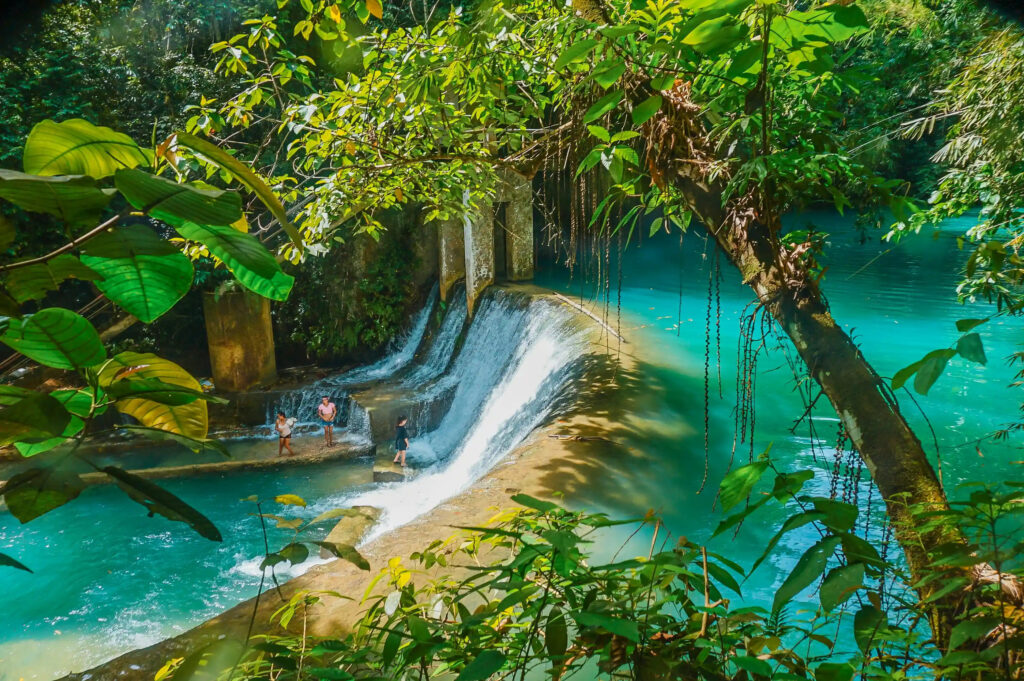
The hot springs in Calamba are geothermally heated by Mount Makiling, a dormant volcano whose underground activity warms the water that seeps into the pools of Pansol and surrounding barangays. The natural mineral content of these springs is believed to have therapeutic properties, soothing tired muscles and easing stress.
Locals often share stories of how families have long used the springs not only for recreation but also for wellness. The blending of scientific explanation with folk tradition adds depth to the experience of soaking in Calamba’s waters. It is not simply a swim; it is participation in a heritage of healing.
Pansol: The Heart of Hot Spring Tourism
The barangay of Pansol is the epicenter of Calamba’s hot spring industry. Here, entire streets are lined with private resorts ranging from simple pools for families to luxurious villas with landscaped gardens, karaoke areas, and multiple pools.
Visitors have the option to rent a private resort for a few hours or overnight, making Pansol a popular choice for barkadas (groups of friends), family reunions, and company outings. Prices vary widely depending on amenities, with budget-friendly resorts starting around ₱5,000 for a day use package, while high-end properties can cost upwards of ₱30,000 for overnight stays.
For many, the appeal lies in exclusivity. Renting a private space allows guests to enjoy the hot springs at their own pace, cooking food, playing music, and spending uninterrupted time with loved ones.
Wellness Tourism: Spas and Relaxation
Beyond the family-oriented resorts, Calamba has also embraced wellness tourism. Several establishments offer spa services, integrating traditional Filipino healing practices with modern therapies. Massage treatments combined with hot spring soaks provide a holistic experience of rest and rejuvenation.
Wellness tourism has become increasingly significant as more travelers seek not only leisure but also restorative experiences. Calamba’s reputation as a wellness destination continues to grow, drawing both domestic and international visitors who value health-focused travel.
Fun Fact in Context
While Luzon is famous for Mount Pulag, where hikers climb at night to see the “sea of clouds,” Calamba offers a different kind of natural spectacle. Instead of ascending a mountain, visitors here immerse themselves in the warm embrace of volcanic waters, proving that Luzon’s beauty is not only above the clouds but also beneath the surface.
Local Insights: Food, Traditions, and Community
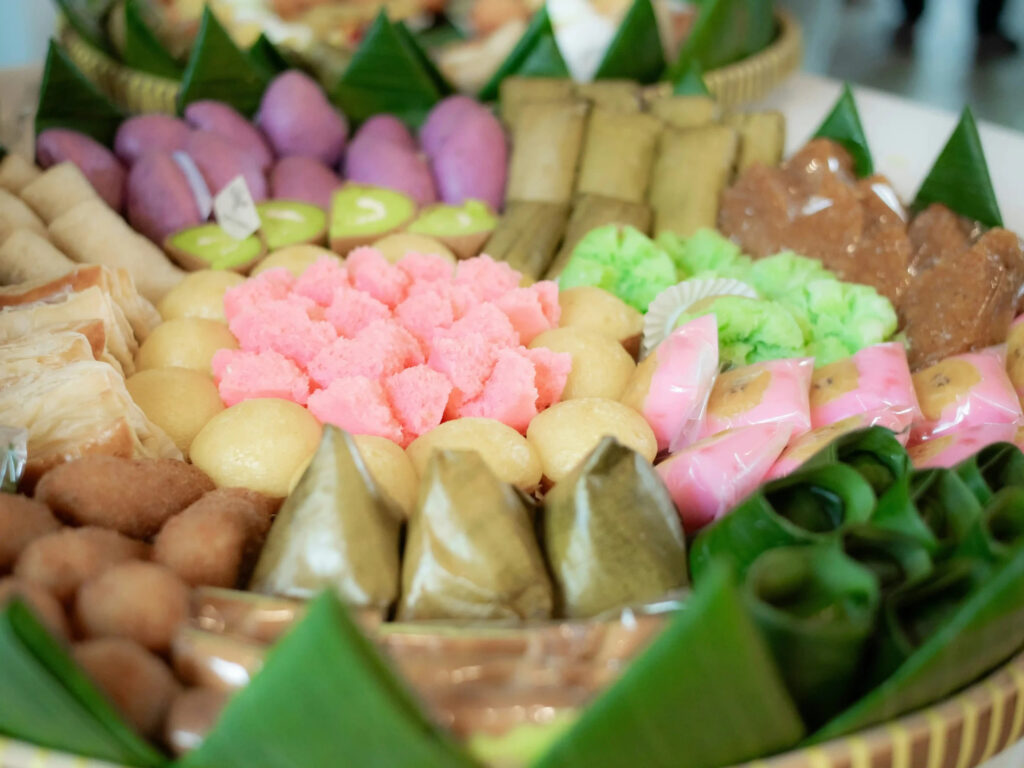
A hot spring visit is often paired with Filipino hospitality and food. In Pansol, it is common to see groups grilling liempo (pork belly) or chicken inihaw while others enjoy pancit or local specialties from Laguna, such as buko pie and espasol. The hot spring resorts become social spaces where laughter and storytelling stretch into the night.
Calamba also takes pride in its community traditions. Local fiestas and cultural events often bring life to the streets, and visitors can easily feel the warmth of the community that thrives around tourism. For those who wish to explore further, Rizal’s ancestral house, now a museum, offers a historical counterpoint to the recreational side of the city.
How to Get There & Around
Calamba is located about 54 kilometers south of Manila, making it an accessible getaway. From Metro Manila, buses and vans travel regularly to Calamba via the South Luzon Expressway (SLEX). Travel time typically takes 1.5 to 2 hours depending on traffic.
Within the city, jeepneys and tricycles are the main modes of transport. For convenience, many visitors opt to book private vans or use ride-hailing apps to reach their chosen resorts directly.
Best Time to Visit & Weather
The city enjoys a tropical climate, with temperatures ranging from 25°C to 32°C on average. Hot spring resorts are enjoyable year-round, but the dry months from December to May are ideal for easier travel and outdoor activities.
During the rainy season, Calamba still welcomes many visitors since the hot springs remain warm and inviting, even under cooler weather. Nighttime soaks are particularly popular, with the contrast between the cool air and warm waters creating a memorable experience.
Responsible Travel
With the popularity of hot spring resorts comes the responsibility of maintaining the natural environment. Visitors are encouraged to reduce waste, properly dispose of trash, and respect local rules. Choosing eco-friendly resorts that promote sustainable water use and community development also ensures that Calamba’s resources remain for future generations.
Conclusion
Calamba has redefined itself as a city of both history and healing. While it is celebrated as the birthplace of José Rizal, its role as the Hot Spring Capital of the Philippines has given it a vibrant new identity. From family gatherings in Pansol to wellness retreats in modern spas, the city proves that leisure and tradition can flow together as smoothly as its thermal waters.
For anyone seeking a mix of relaxation, culture, and community, Calamba’s hot springs offer more than a dip in warm water. They provide a chance to connect with local life, restore the body, and experience the heart of Laguna hospitality.
Subscribe to our newsletter and get weekly updates on our blogs!