Introduction to Itbayat
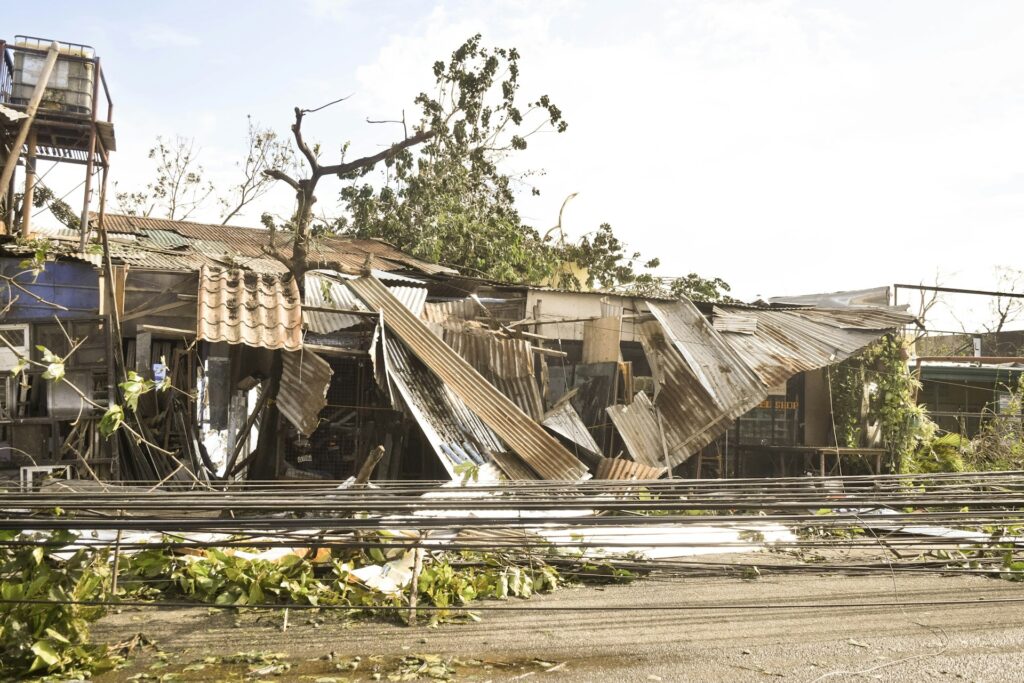
Among the islands of Batanes, Itbayat stands out for both its beauty and its remoteness. With a population of just over 3,000, it is recognized as one of the most isolated towns in the Philippines. Unlike the busier capital of Basco or the popular tourist draw of Sabtang, Itbayat’s daily life revolves around community, survival, and strong cultural traditions. Its landscapes are as dramatic as its people are resilient, with cliffs rising above the ocean and homes built to endure the region’s frequent typhoons and earthquakes.
For visitors, the experience of traveling to Itbayat is not only about breathtaking scenery but also about understanding how an isolated community sustains itself through traditions, resourcefulness, and unity.
A Remote Yet Thriving Island
Itbayat is often described as the northernmost inhabited town of the Philippines, surrounded by the Pacific Ocean. Getting here is not easy. The island’s remoteness has shaped its character, encouraging residents to rely heavily on one another. Supplies are limited and weather often dictates what is available. Yet this sense of isolation fosters creativity and collaboration that visitors will notice immediately.
Daily life involves farming, fishing, and small-scale trade. Locals cultivate root crops such as sweet potatoes and yam, while fishing provides fresh catch for both meals and barter. These practices are not simply about survival but are deeply tied to Ivatan traditions passed down over generations.
Ivatan Traditions and Cultural Resilience
The Ivatan people of Itbayat live by principles of cooperation and mutual support. One example is the practice of bayanihan, where neighbors help each other with farming, construction, or repairs. This is especially important in a place frequently battered by storms.
Traditional stone houses, with their thick walls and cogon grass roofs, remain central to village life. Designed to withstand powerful winds and heavy rains, they symbolize the wisdom of ancestors who learned to build with the environment in mind. Walking through Itbayat, visitors can still see these enduring homes that stand as both functional shelters and cultural icons.
Religious traditions also play a role in uniting the community. The Sta. Maria de Mayan Church, located in the town center, is a gathering point not only for worship but also for festivals and communal events. Celebrations blend Catholic practices with local customs, highlighting how faith and culture intertwine in daily life.
Food and Daily Living
Food in Itbayat reflects both the bounty of the land and the challenges of isolation. Meals are built around locally available ingredients such as root crops, fresh fish, and vegetables. Meat is less common, often reserved for special occasions.
One traditional dish that visitors may encounter is uvud, made from banana pith mixed with fish or meat. Another staple is wakay (sweet potato), often boiled or roasted and eaten with salted fish. These simple yet hearty meals illustrate how the community makes the most of its natural resources.
Markets in Itbayat are small, offering local produce and essential goods. Travelers will notice that bartering is still a common practice, reinforcing the close-knit bonds of the community.
Everyday Community Life
What makes Itbayat truly unique is the rhythm of daily life. The pace is slower, marked by the sound of waves crashing against cliffs and the calls of farmers tending to their fields. Children play in open spaces, while elders pass down stories about the island’s past.
Community events are important for maintaining unity. Weddings, fiestas, and religious holidays bring everyone together, often accompanied by music, dancing, and communal meals. These gatherings are not only celebrations but also affirmations of identity and resilience.
For visitors, engaging with locals by joining simple daily activities-whether helping in a garden or sharing a meal-offers insights into a lifestyle rarely seen in modern cities.
Responsible Travel in Itbayat
Because of its remoteness, travelers must approach Itbayat with respect and mindfulness. Limited resources mean that visitors should avoid waste, bring reusable items, and support local businesses. Travelers should also be prepared for basic facilities, as the island does not cater to luxury tourism.
Respecting traditions is equally important. Visitors should dress modestly, ask permission before photographing people or private spaces, and take time to learn about Ivatan customs. By doing so, they contribute to sustaining cultural integrity while enjoying authentic experiences.
How to Get There & Around
Reaching Itbayat is an adventure in itself. From Basco, travelers can take a boat ride lasting three to four hours across often rough seas. Boats depart in the morning, with fares ranging from ₱500–₱700 depending on the season. Alternatively, there are small charter flights available when weather permits, though these are limited and more expensive.
Once on the island, tricycles are the main form of transport, but many areas are best explored by walking. Guided tours are recommended, as they provide not only transportation but also local knowledge about the island’s history and traditions.
Best Time to Visit & Weather
The best months to visit Itbayat are from March to May, when seas are calmer and weather is generally stable. Average temperatures range between 25–30°C. From December to February, cooler winds can bring temperatures down to 15°C, adding a different charm to the experience.
Travel during the rainy season (June to September) is not advisable due to frequent typhoons and strong waves that can disrupt boat schedules.
Conclusion
Life in Itbayat is a living testament to resilience, community, and tradition. Its isolation has shaped a culture where cooperation and sustainability are more than ideals-they are necessities. For visitors, exploring this remote town is an invitation to witness how people thrive in harmony with nature and each other, even in challenging conditions.
By respecting local customs and embracing the slower rhythm of life, travelers can gain not just memories of breathtaking landscapes but also lessons in resilience and community spirit.
Subscribe to our newsletter and get weekly updates on our blogs!