
Introduction
Luzon is the largest and most populated island in the Philippines, serving as the political, economic, and cultural heart of the nation. With over half of the country’s population residing here, Luzon is home to the bustling capital region of Metro Manila, the world-renowned Banaue Rice Terraces, and the iconic Mount Mayon, often praised as the most perfectly shaped volcano on Earth. This vast island is a tapestry of contrasts, where modern skyscrapers rise beside centuries-old churches, and where serene rice paddies stretch out beneath dramatic mountain ranges. Exploring Luzon means diving into both the fast-paced energy of city life and the timeless traditions of rural communities.
A Glimpse into History and Culture
Luzon has been the stage for some of the Philippines’ most important historical events. Long before Spanish colonization in the 16th century, various indigenous groups thrived across the island, developing their own languages, farming methods, and social systems. When the Spanish arrived, they established Manila as the center of colonial governance, turning Luzon into a hub of trade and religion.
Cultural traditions remain deeply rooted, from colorful festivals like the Pahiyas in Quezon to religious processions in Manila during Holy Week. The island’s diversity is reflected in its languages, with Tagalog being the most widely spoken, though Ilocano, Kapampangan, Bicolano, and many others thrive in different provinces. Modern Filipino culture-its music, cuisine, and family-centered lifestyle-owes much of its foundation to Luzon.
Iconic Landmarks and Attractions
Metro Manila: The Nation’s Capital
Metro Manila is Luzon’s beating heart. Beyond being the political center, it is a cultural mosaic with historic landmarks such as Intramuros, the walled city built during Spanish rule, and Rizal Park, dedicated to the national hero José Rizal. Manila’s urban sprawl can feel overwhelming, but it offers endless opportunities for dining, nightlife, and shopping, blending local traditions with global influences.
Banaue Rice Terraces: Ancient Engineering
High in the Cordillera mountains lie the Banaue Rice Terraces, often called the “Eighth Wonder of the World.” Carved into the mountainsides over 2,000 years ago by the Ifugao people, these terraces demonstrate the islanders’ ingenuity in creating a sustainable farming system that is still in use today. Visiting Banaue offers not only stunning scenery but also insights into indigenous culture and traditions.
Mount Mayon: Nature’s Masterpiece
Located in Albay province, Mount Mayon is celebrated for its near-perfect conical shape. While it is an active volcano, its beauty continues to attract both local and international travelers. Trekking around the volcano, exploring lava formations, and enjoying nearby hot springs are popular activities, though safety advisories should always be respected.
Other Natural and Cultural Highlights
- Vigan City in Ilocos Sur, a UNESCO World Heritage Site, is famous for its Spanish colonial architecture and cobblestone streets.
- Pagsanjan Falls in Laguna offers boat rides through lush gorges and thrilling rapids.
- Batangas and Zambales provide sandy beaches and dive spots within a short distance of Manila.
How to Get There & Around
Luzon is well-connected to both domestic and international destinations. Manila’s Ninoy Aquino International Airport serves as the main entry point, offering flights to and from major cities worldwide. Clark International Airport in Pampanga is another growing gateway, especially for budget airlines.
Once on the island, travel options include buses, vans, and jeepneys for intercity and provincial routes. For longer journeys, domestic flights and trains (such as the Philippine National Railways connecting Manila to nearby provinces) are available. Renting a car can provide flexibility, though navigating Manila’s traffic requires patience. For rural exploration, motorbikes and tricycles are the most practical choices.
Best Time to Visit & Weather
Luzon experiences a tropical climate, with two main seasons: dry and wet.
- Dry season (December to May): Ideal for travel, especially January to March when temperatures range from 20°C to 30°C. This period is perfect for hiking, cultural festivals, and beach trips.
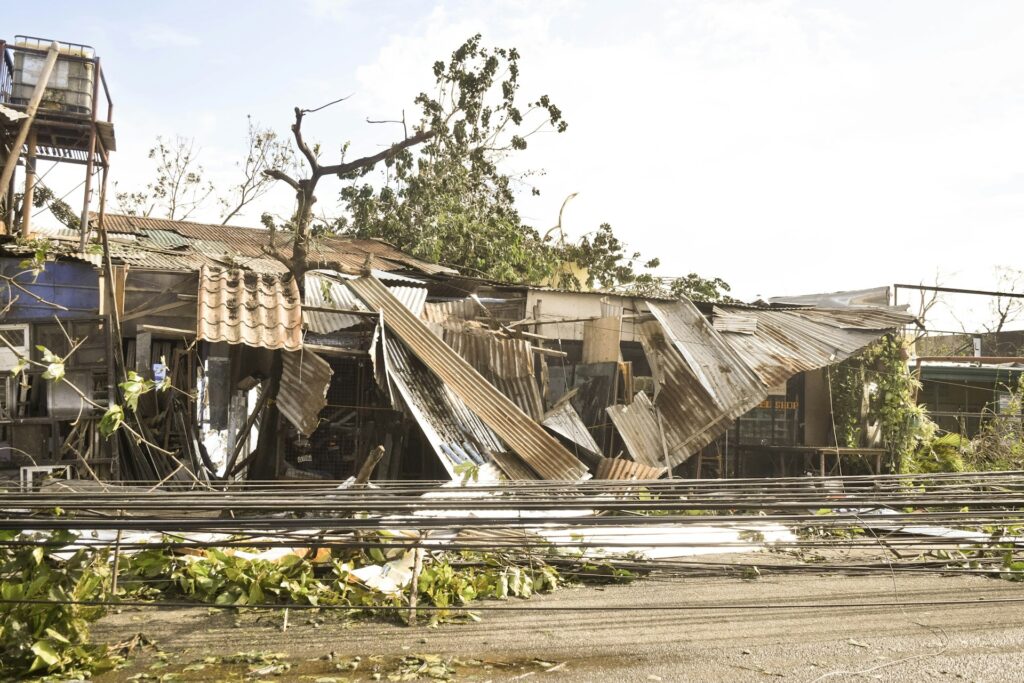
- Wet season (June to November): Characterized by heavy rainfall and the possibility of typhoons. Travelers during this time should stay updated on weather advisories, especially in mountainous or coastal areas.
The cool mountain provinces like Baguio and Sagada provide relief from the heat, while coastal provinces remain warm throughout the year.
Lifestyle, Food, and Local Insights
Life in Luzon varies dramatically between the modern urban lifestyle of Metro Manila and the slower rhythms of rural provinces. Markets are central to community life, offering everything from fresh produce to handmade crafts. Farmers in the Cordillera still tend their ancient rice terraces, while fishermen in coastal towns bring in daily catches that sustain local cuisine.
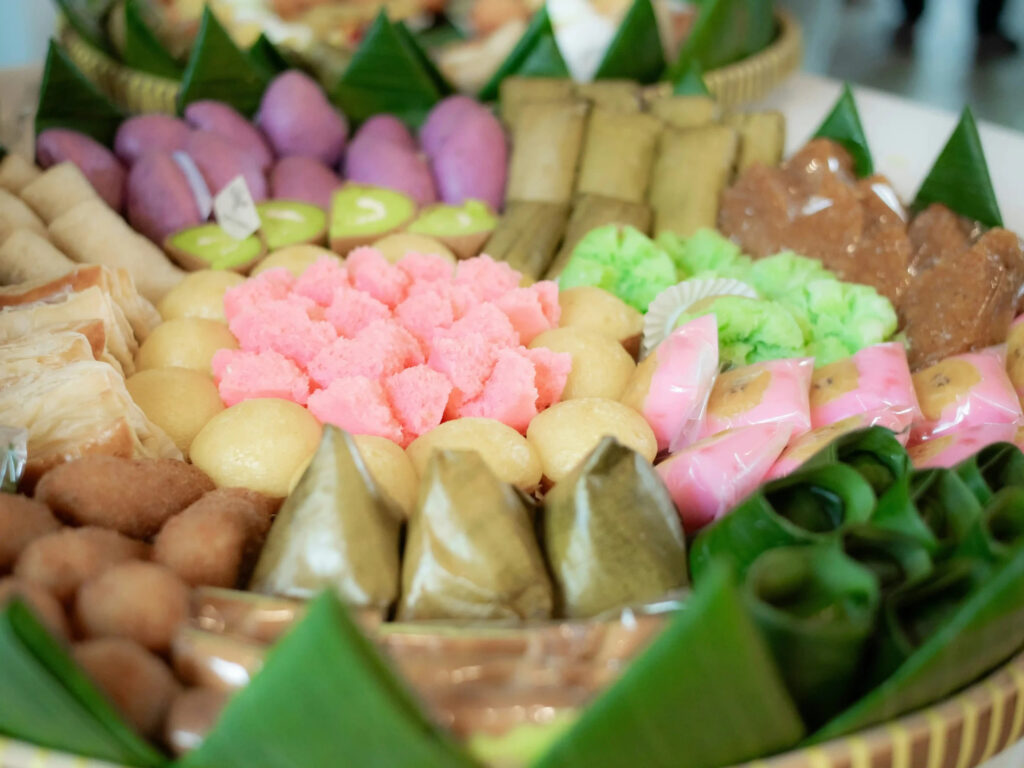
Food is one of Luzon’s most engaging cultural experiences. Adobo, sinigang, and pancit are staples, but each province offers its own specialties. Pampanga is renowned as the culinary capital, known for dishes like sisig and longganisa. In Bicol, expect fiery flavors highlighted by chili and coconut milk, especially in the iconic dish Bicol Express.
Festivals showcase Luzon’s vibrancy. The Panagbenga Festival in Baguio celebrates flowers with parades and street dancing, while the Higantes Festival in Rizal features towering papier-mâché giants. These events are opportunities for visitors to engage with local communities in a respectful and joyful way.
Responsible Travel in Luzon
As Luzon balances tourism with preservation, responsible travel is vital. When visiting natural sites like the Banaue Rice Terraces, travelers are encouraged to support local guides and respect farming traditions. In coastal areas, avoiding single-use plastics and being mindful of marine ecosystems helps sustain fragile environments. Engaging with local businesses, staying in family-owned accommodations, and purchasing crafts directly from artisans contribute to community livelihood.
Conclusion
Luzon is more than just the largest island in the Philippines. It is the nation’s historical anchor, cultural showcase, and natural wonderland all in one. From the skyscrapers of Manila to the emerald terraces of Banaue and the majestic symmetry of Mayon Volcano, Luzon offers countless opportunities to explore, learn, and connect. Whether you are drawn by history, adventure, or community, this island stands as a powerful introduction to the Philippines itself.
For travelers ready to experience the country’s heart, Luzon awaits with open arms.
Subscribe to our newsletter and get weekly updates on our blogs!