
Introduction to Maria
Siquijor, often called the “Island of Witches,” is a place where folklore, nature, and tradition converge. While many visitors are drawn to the busier towns of San Juan or the port areas of Larena, those who venture to the eastern side of the island discover a different atmosphere. The municipality of Maria, home to about 14,385 residents, offers serenity and understated beauty. Its quiet charm lies in its off-the-beaten-path appeal, where small coastal communities, rural landscapes, and untouched beaches invite travelers to slow down and reconnect with simple island life.
History and Community Life
Maria’s history reflects the broader story of Siquijor: small communities shaped by fishing, farming, and faith. Unlike larger towns with more commercial activity, Maria retains a strong rural identity. Coconut trees, rice fields, and modest coastal settlements define much of its scenery. Life moves at a steady pace, with mornings spent at sea and afternoons devoted to tending farmland or gathering at the town plaza.
The town’s Catholic traditions remain strong, and its fiestas bring together residents for music, dance, and shared meals. Although these events may not draw outsiders in large numbers, they reflect how the community preserves its cultural roots while welcoming curious visitors. For travelers seeking an authentic perspective of local life, Maria provides exactly that.
Natural Attractions and Coastal Charm
Maria is not crowded with resorts or nightlife, but it rewards explorers with natural beauty. Its eastern coastline is dotted with coves and beaches that remain relatively untouched compared to the western side of Siquijor. These spots are ideal for quiet walks, shell collecting, and watching the sunrise over the Bohol Sea.
One of the most notable attractions in the municipality is Salagdoong Beach, located just a short distance from the town proper. Known for its crystal-clear waters and limestone cliffs, it has long been a favorite for both locals and travelers. Concrete platforms built into the cliffs allow adventurous visitors to dive into the sea from heights of up to 10 meters, while others enjoy swimming or relaxing on the sandy shore. Entrance fees are modest, often around ₱30 to ₱50, making it accessible for all.
Beyond Salagdoong, there are smaller beaches where visitors may find themselves alone or sharing space with only a few locals. This absence of large crowds is one of Maria’s greatest appeals.
Local Traditions and Mystical Identity
Like the rest of Siquijor, Maria carries traces of the island’s mystical identity. Folklore about healers and herbal remedies remains part of the cultural fabric, though locals are often more practical than mysterious in their daily lives. Visitors who are respectful and genuinely curious may hear stories about faith healers or local remedies passed down through generations.
For most residents, however, the focus is on family, livelihood, and community rather than legend. What stands out in Maria is how these traditions coexist with a modernizing island economy, offering travelers a glimpse into both past and present.
Food and Market Life
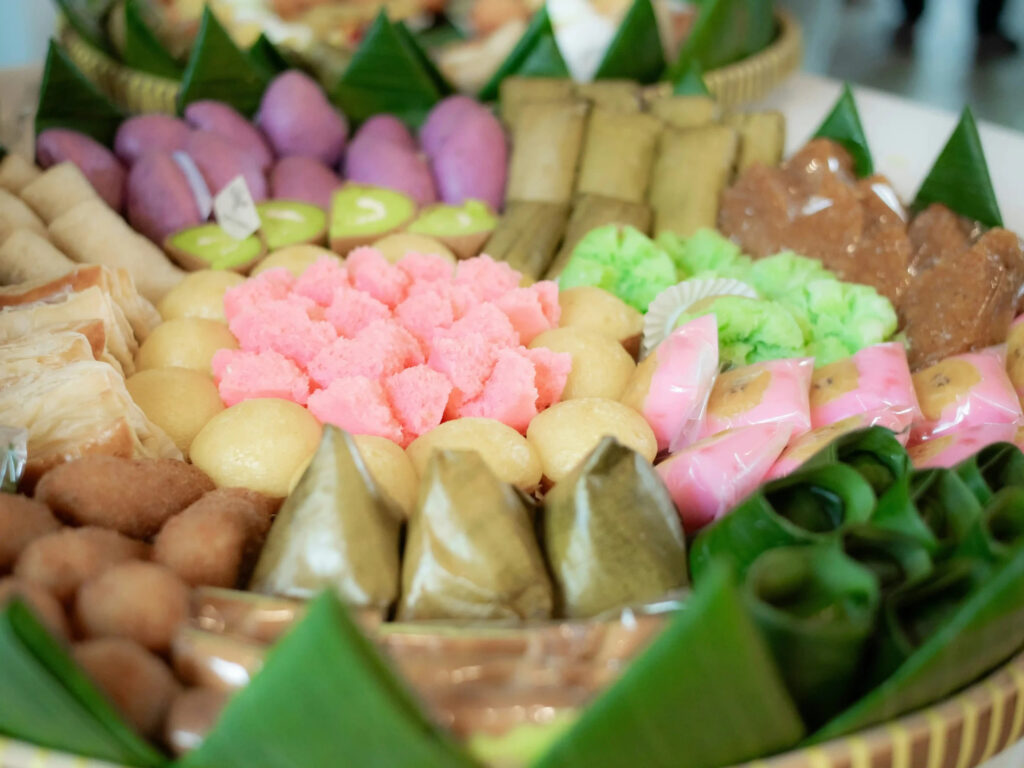
Maria does not have the same range of restaurants as larger towns, but its small eateries and roadside stalls provide authentic Filipino meals. Expect dishes such as adobo, sinigang, or freshly grilled fish, often priced between ₱100 and ₱200 per serving. Local markets supply produce, seafood, and household essentials, reflecting the town’s agricultural and fishing roots.
Travelers who stay in guesthouses or small inns often enjoy meals prepared by hosts, giving them a chance to sample home-cooked dishes made with fresh ingredients. This personal touch adds to the feeling of being welcomed into the community.
How to Get There & Around
Maria is located on the eastern side of Siquijor, about 20 to 30 minutes by scooter from Larena port and around 45 minutes to an hour from Siquijor town proper. Reaching the island itself is possible by ferry from Dumaguete, Cebu, or Bohol.
Once in Siquijor, the most flexible way to explore is by renting a scooter, which typically costs between ₱350 and ₱500 per day. Tricycles are also available, with fares negotiated depending on distance, but hiring one for a day tour around the island usually costs around ₱1,000 to ₱1,500. Roads leading to Maria are scenic, passing through coastal stretches and coconut groves.
Best Time to Visit & Weather
The best time to explore Maria is during the dry season, from November to May, when average temperatures range from 26°C to 32°C. Sunny skies make it ideal for swimming, cliff diving, or simply relaxing at the beach. The cooler months of December to February are particularly pleasant.
During the rainy season from June to October, heavier rains and occasional storms occur, and while Maria remains accessible, sea travel to Siquijor can be affected by weather conditions. Travelers should plan with flexibility if visiting during these months.
Responsible Travel in Maria
Maria’s charm lies in its unspoiled environment and strong community ties. To preserve these qualities, travelers should:
- Dispose of trash responsibly, especially at beaches and coves.
- Support small businesses by eating in local eateries and buying from markets.
- Respect religious and cultural traditions by observing appropriate behavior at community events.
- Minimize plastic use and avoid disturbing marine ecosystems when swimming or snorkeling.
By traveling responsibly, visitors ensure that Maria remains as serene and welcoming for future generations as it is today.
Conclusion
Maria may be one of Siquijor’s quieter towns, but its appeal lies in this very simplicity. With its pristine beaches, small-town atmosphere, and sense of authenticity, Maria invites travelers to slow down and experience the island at a different pace. Whether diving from the cliffs at Salagdoong Beach, enjoying a home-cooked meal, or simply watching life unfold in the town plaza, visitors will find that Maria captures the true spirit of Siquijor.
For those seeking serenity away from crowded resorts, Maria is a destination that proves sometimes the quietest places leave the strongest impressions.
Subscribe to our newsletter and get weekly updates on our blogs!