Introduction
Tagum City, with a population of 296,202, is one of the fastest-growing urban centers in Mindanao. Known as the Palm City of the Philippines, Tagum has also carved a reputation as a hub for arts and culture. Among its many festivals and events, the Musikahan Festival stands out as the most vibrant, attracting musicians, performers, and audiences from across the nation. This annual celebration transforms Tagum into a stage where music in its many forms comes alive, creating an atmosphere of cultural pride and tourism appeal.
The Origins of Musikahan Festival
The Musikahan Festival began as a local effort to highlight the talents of Tagum’s musicians and to reinforce the city’s identity as a cultural center in Mindanao. Over time, it grew into a national event, drawing choirs, bands, orchestras, and solo performers from different parts of the Philippines.
The word “Musikahan” captures the essence of the event: a coming together of people through music. The festival not only showcases performances but also nurtures local artists, offering them exposure and opportunities to collaborate with peers from across the country.
Why Musikahan Matters
The Musikahan Festival is more than just an entertainment spectacle. It is a source of civic pride and cultural identity for Tagum. Residents view the festival as their city’s signature contribution to the Philippines’ cultural landscape. For many young musicians, it serves as both an inspiration and a training ground. Schools, families, and community organizations prepare months in advance, proving how deeply the event is embedded in the local lifestyle.
The festival also demonstrates how cultural events can boost tourism. Visitors come not only for the music but also to experience the hospitality of Tagum, explore local cuisine, and take part in the city’s festive spirit. This creates a cycle where culture and economy strengthen each other.
Highlights of the Festival
The Musikahan Festival is a multi-day event, with programs designed to appeal to a wide audience. Some of its most notable highlights include:
- Choral Competitions: Choirs from across the Philippines gather to perform both classical pieces and Filipino compositions, blending tradition and innovation.
- Band Showcases: Marching bands and symphonic groups display precision and artistry, often drawing large crowds.
- Folk and Contemporary Performances: Local performers highlight indigenous rhythms and modern interpretations, connecting the past with the present.
- Workshops and Seminars: Young musicians and enthusiasts can attend sessions with established artists, learning new skills and techniques.
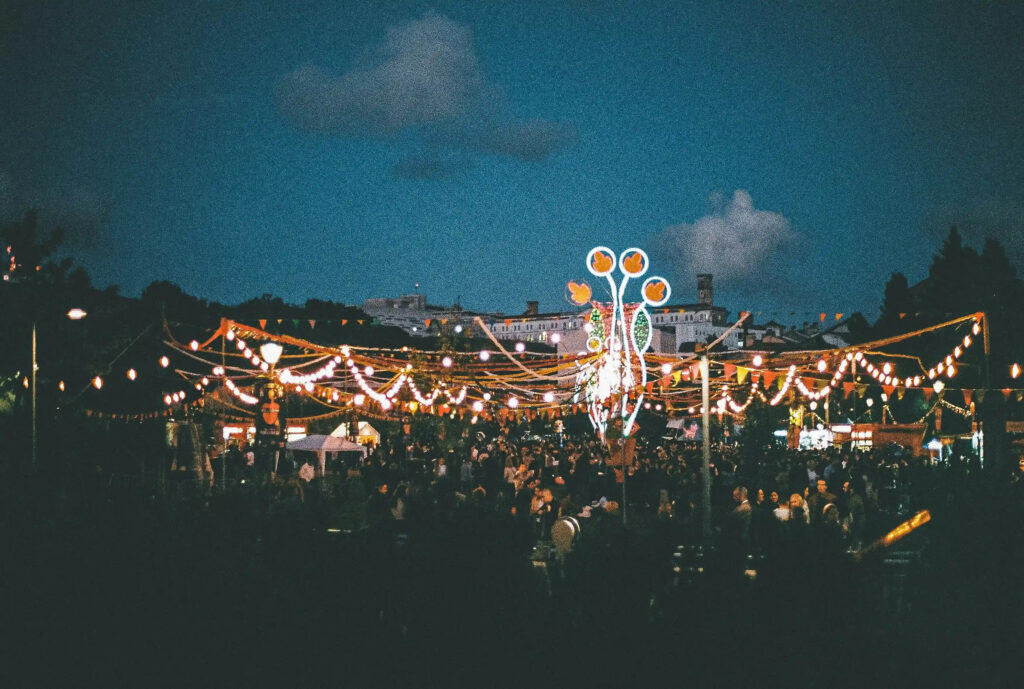
- Grand Street Performances: Parades and open-air concerts fill the streets with energy, turning the city into one big concert hall.
These diverse events make the Musikahan Festival accessible to everyone, from serious music lovers to casual visitors.
Local Life During Musikahan
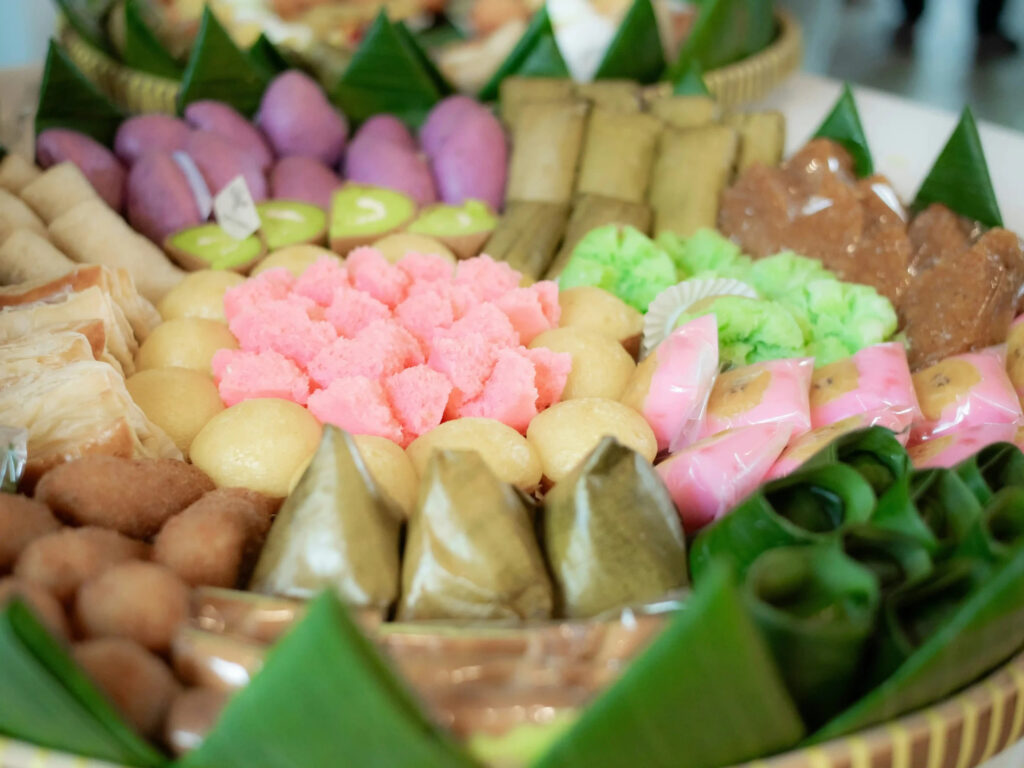
During the festival, Tagum transforms into a lively center of cultural exchange. Public spaces such as the City Hall grounds and plazas become venues for performances. Local businesses, from food stalls to hotels, benefit from the influx of visitors. Street vendors sell delicacies like kakanin (rice cakes), grilled meats, and tropical fruits, giving festival-goers a taste of local cuisine.
For the people of Tagum, Musikahan is a communal experience. Families attend together, schools proudly cheer for their representatives, and the whole city feels connected by the sound of music. It is not unusual for conversations in cafés and marketplaces to revolve around the previous night’s performances, demonstrating how the festival becomes part of daily life.
How to Get There & Around
Tagum City is about 55 kilometers north of Davao City, the largest urban center in Mindanao. The nearest airport is Francisco Bangoy International Airport in Davao, which connects to Manila, Cebu, and other key cities. From Davao, buses and vans regularly ply the route to Tagum, with travel times averaging one to two hours depending on traffic.
Once in Tagum, getting around is easy. Tricycles and jeepneys are the main modes of local transport. For festival-goers, many events are centrally located, so walking between venues is convenient.
Best Time to Visit & Weather
The Musikahan Festival is usually held in February, coinciding with the dry season. Temperatures during this period range between 25–32°C, making it comfortable for outdoor events. Travelers are advised to book accommodations early, as hotels and inns fill quickly during the festival season.
Outside of the festival, Tagum is worth visiting year-round. However, February offers the most vibrant atmosphere, with music filling the air and the community in full celebration mode.
Responsible Travel
Attending the Musikahan Festival comes with the responsibility of being a respectful visitor. Supporting local businesses, keeping public spaces clean, and showing appreciation for performers are simple yet meaningful ways to give back. Travelers are also encouraged to learn about Tagum’s diverse cultural heritage, including indigenous traditions, to deepen their understanding of the community hosting the event.
Conclusion
The Musikahan Festival is a testament to Tagum City’s commitment to culture, unity, and artistic growth. What began as a local showcase has evolved into a nationwide celebration, drawing both performers and audiences into a shared appreciation of music. For visitors, it offers a chance not only to witness world-class performances but also to experience the warmth of Tagum’s people and the richness of its cultural identity.
For those seeking a journey where music, community, and culture come together, the Musikahan Festival of Tagum City is a destination worth planning for.
Subscribe to our newsletter and get weekly updates on our blogs!