Introduction
Talisay City, part of the southern stretch of Metro Cebu, has a population of more than 836,000 when combined with the greater metropolitan area. Though it is often seen as a suburban extension of Cebu City, Talisay holds a wealth of cultural treasures that speak to its long history. Among these are its old churches and heritage landmarks, many of which trace their roots to the Spanish colonial era. For visitors seeking to experience the deeper story of Cebu, exploring the spiritual and architectural heritage of Talisay offers a meaningful journey into the city’s identity.
Cebu as the Birthplace of Christianity
The fun fact that Cebu is considered the birthplace of Christianity in the Philippines sets the stage for understanding why Talisay, like other towns on the island, is home to enduring Spanish-era churches. Since Ferdinand Magellan’s arrival in 1521 and the establishment of Catholicism, Cebu has been at the center of faith in the country. Churches became not only places of worship but also community centers, schools, and even fortresses during times of unrest. In Talisay, this legacy remains visible in structures that continue to serve as focal points for local life.
San Isidro Labrador Parish
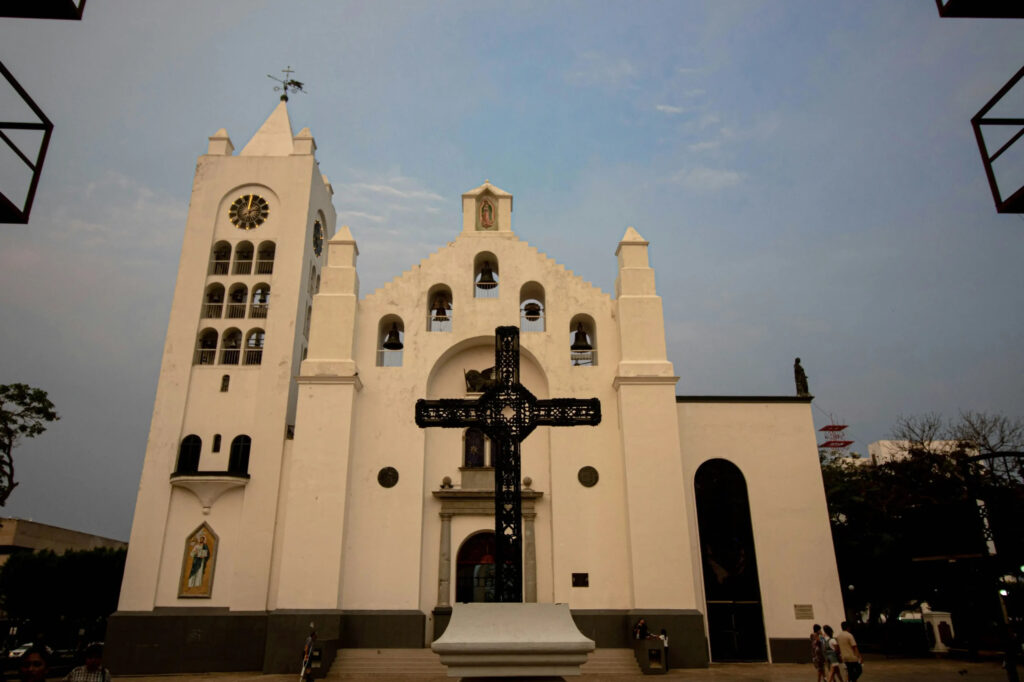
One of the most notable churches in Talisay is the San Isidro Labrador Parish, dedicated to the patron saint of farmers. Built during the Spanish period, the church reflects the baroque-inspired style typical of colonial architecture in Cebu. Constructed from coral stone and wood, it features thick walls and simple yet elegant designs meant to endure the climate and time.
The parish plays a central role in the religious life of Talisay residents. Its annual fiesta, celebrated every May 15, honors San Isidro with processions, novena masses, and community gatherings. For travelers, attending these events provides a chance to see how traditional faith practices continue to thrive in a modern city. The church is also an active parish today, with daily masses and vibrant participation from local families.
Other Spanish-Era Landmarks
Beyond San Isidro, Talisay is home to other Spanish-era heritage sites that highlight its colonial past. Small chapels scattered across barangays served as satellite worship spaces when travel to the main parish was difficult. Many of these chapels still stand, often renovated but retaining their historic character.
The city also holds ancestral houses built during the Spanish and early American periods. These structures, with their wide windows, wooden floors, and capiz shell details, showcase Cebuano adaptations of colonial architecture. While not all are formally recognized as heritage sites, they contribute to the cultural fabric of the city.
Talisay is also associated with the Battle of Talisay during World War II, and memorial markers can be found in the city. These historical layers show how Talisay’s story extends beyond the Spanish period into more recent struggles and triumphs.
Culture, Food, and Community Traditions
Heritage in Talisay is not only about buildings. It is also about the traditions and community practices that have grown around them. Churches host processions, Flores de Mayo celebrations in May, and Christmas events that gather entire neighborhoods. These traditions highlight the communal spirit that defines Cebuano Catholicism.
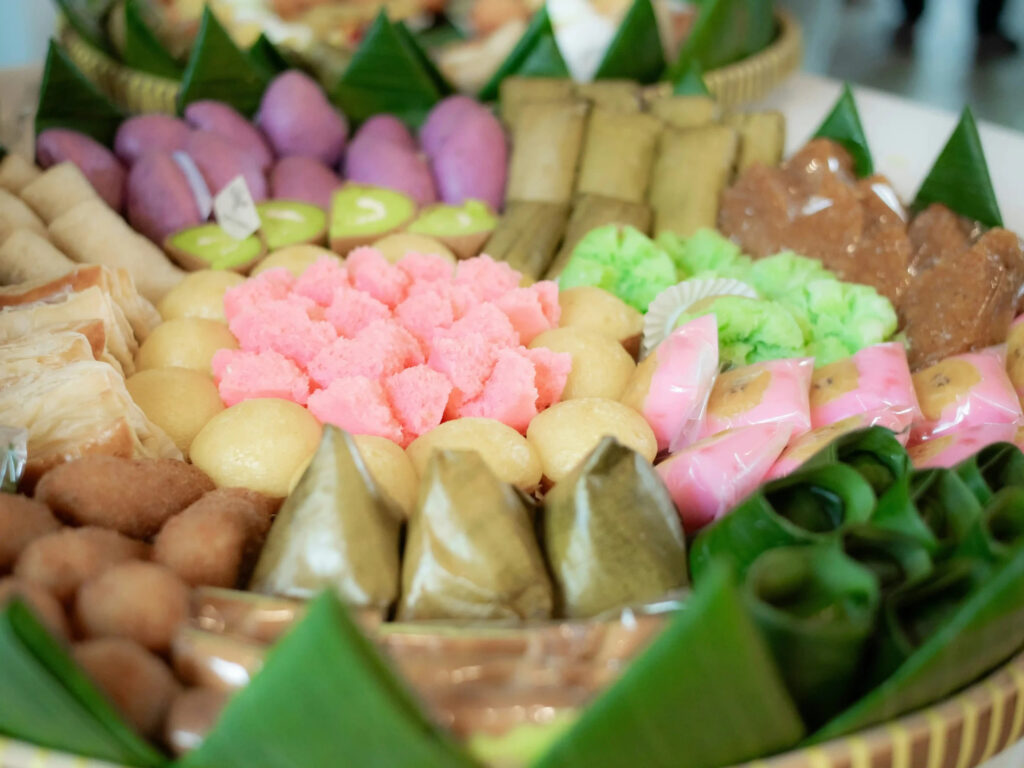
Food is another important part of the heritage experience in Talisay. The city is famous for its inasal na baboy (roast pig), often claimed to rival the lechon of nearby Carcar. During fiestas and religious gatherings, lechon takes center stage, accompanied by puso (hanging rice) and kinilaw (vinegar-marinated seafood). Visitors exploring heritage sites will find these dishes in local eateries and markets, often at affordable prices of ₱100–₱150 per meal.
How to Get There & Around
Talisay City is located just 12 kilometers south of Cebu City, making it one of the most accessible destinations in Metro Cebu. Jeepneys and buses regularly travel the route, with fares ranging from ₱15 to ₱30. Travel time is usually 30 to 45 minutes, depending on traffic.
Once in Talisay, tricycles and habal-habal (motorcycle taxis) are the common ways to reach barangays where heritage chapels are located. For those wishing to explore both Talisay and neighboring towns, renting a scooter from providers like CebuBikeRent.com offers flexibility and convenience.
Best Time to Visit & Weather
The best time to visit Talisay’s churches and heritage sites is during the dry season from December to May, when the weather is favorable for walking tours and outdoor events. Temperatures range from 24°C at night to 32°C during the day.
For cultural immersion, May is a special month due to the fiesta of San Isidro Labrador and Flores de Mayo celebrations. December is also lively, with Christmas decorations and community gatherings adding a festive atmosphere to the city’s heritage spaces.
Responsible Travel Tips
When visiting churches and heritage sites in Talisay, modest dress is encouraged, especially if attending services. Be respectful of local customs, and ask permission before taking photographs of people during religious activities. Supporting small vendors by purchasing food or souvenirs helps sustain the community. Visitors should also avoid touching fragile architectural details, as many coral stone structures are centuries old and sensitive to wear.
Conclusion
Talisay City may be known today as part of Metro Cebu’s busy urban sprawl, but its old churches and heritage sites reveal a different side of its identity. From the enduring San Isidro Labrador Parish to smaller chapels and ancestral houses, these landmarks tell the story of a community shaped by faith, resilience, and tradition. For travelers seeking to connect with Cebu’s cultural roots, a visit to Talisay’s spiritual and heritage sites offers both insight and inspiration.
Subscribe to our newsletter and get weekly updates on our blogs!