
Introduction
Far at the southern tip of Palawan lies Balabac, a municipality with a population of about 42,527 people. Known as part of the “Last Frontier” of the Philippines, this remote area is celebrated for its raw beauty and relatively untouched environment. Among its treasures is Onok Island, a privately managed gem that has slowly gained attention for its dazzling sandbars, crystal-clear waters, and thriving marine life. For those seeking a destination far from crowds and commercial resorts, Onok Island offers the very definition of paradise.
The Allure of Onok Island
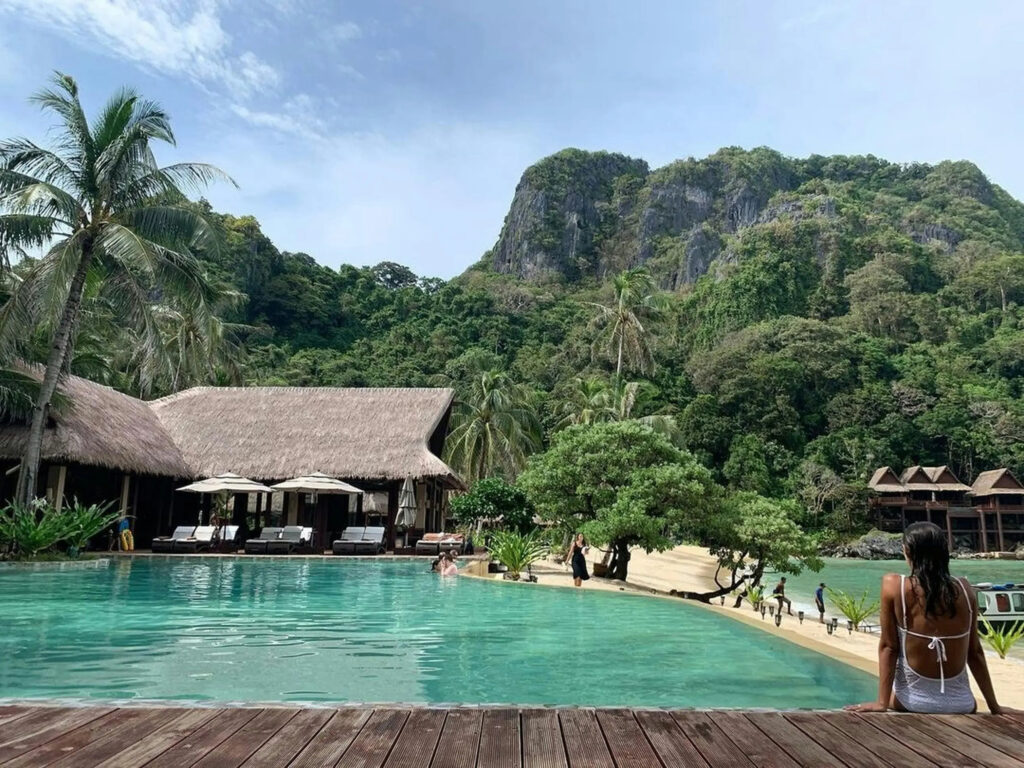
Onok Island is often described as a ring of white sand encircled by shallow turquoise waters, with sandbars that shift shape depending on the tide. It is one of the many islands within Balabac, but it stands out because of its extraordinary clarity of water, which allows you to see colorful fish and corals even before diving in. Wooden walkways stretch over shallow lagoons, giving visitors a chance to walk above the reef and take in panoramic views of the horizon.
Unlike busier destinations in Palawan, Onok remains serene, with only a handful of visitors arriving each day. Its remoteness has helped preserve its pristine condition. The quiet setting, combined with the rhythmic sound of waves, creates an atmosphere that feels both intimate and humbling.
Marine Life and Natural Wonders
Onok Island is not only beautiful above water but also a haven for marine biodiversity. The shallow reefs host schools of parrotfish, clownfish, and groupers, while sea turtles are frequently spotted grazing on sea grass beds. For snorkelers, this offers an easy opportunity to encounter wildlife without the need for advanced diving skills.
The sandbars around the island are also a highlight. During low tide, long stretches of powdery sand appear, forming perfect natural walkways that stretch into the sea. These sandbars change shape with currents, giving each visit a unique appearance. Birdlife is another feature, with migratory seabirds occasionally resting on the island’s shores.
Life and Culture in Balabac
Balabac as a whole is known for its strong cultural ties to the sea. Fishing remains the livelihood for many residents, and the region is noted for its Muslim communities, which bring a distinct cultural flavor compared to northern parts of Palawan. The markets in Balabac town display an array of fresh seafood, dried fish, and locally grown produce, showing how tightly connected daily life is to both land and water.
Travelers visiting Onok Island should remember that it is part of a community’s natural and cultural heritage. Respecting local customs and following guidelines from caretakers ensures that tourism supports rather than disrupts local ways of life.
Visiting Onok Island Responsibly
Onok Island is privately managed, and access requires permission, usually arranged through local boat operators in Balabac town. An entrance fee is typically charged to support maintenance and conservation efforts. Overnight stays may be possible in simple cottages or tents, but travelers should be prepared for very basic facilities and limited electricity. Bringing one’s own supplies, including drinking water and snacks, is strongly recommended.
Responsible travel practices are crucial here. Visitors are asked to avoid touching corals, refrain from leaving trash, and respect wildlife by observing from a distance. The island’s delicate ecosystem can be easily damaged, so keeping impact to a minimum is part of preserving its beauty for future generations.
How to Get There & Around
Reaching Onok Island requires patience and planning. Travelers usually fly from Manila to Puerto Princesa, then continue overland or by sea to Balabac town. From Puerto Princesa, the land journey to Rio Tuba in southern Palawan can take 8–10 hours, followed by a boat transfer to Balabac. From Balabac town proper, local boats can be arranged to reach Onok Island in about one to two hours, depending on sea conditions.
Transport around Balabac is limited, with tricycles and small boats as the main options. Many visitors choose to book multi-island tours that include Onok, ensuring smooth logistics. Because travel times are long, it is best to dedicate several days to Balabac rather than attempting a quick visit.
Best Time to Visit & Weather
The best months to visit Onok Island are from March to May, during the dry season when seas are calmer and skies are clear. Average daytime temperatures range from 27–32°C, ideal for swimming and snorkeling. The rainy season, from June to October, brings stronger winds and occasional storms, which can make boat travel challenging. November to February offers cooler weather, though some days may still bring rain.
Visitors should always check local conditions before planning trips, as sea crossings can be unpredictable. Bringing lightweight clothing, reef-safe sunscreen, and insect repellent will make the experience more comfortable.
Conclusion
Onok Island in Balabac is not just a beach destination. It is a reminder of how stunning and fragile nature can be when left largely untouched. Its sandbars, marine life, and tranquil atmosphere create an unforgettable experience for travelers willing to go the extra distance. By traveling responsibly and respecting local communities, visitors can help preserve this paradise for years to come.
If you are planning an adventure beyond the typical tourist path, Onok Island is worth placing high on your list. Here, in the southern reaches of Palawan, lies one of the Philippines’ most remarkable hidden treasures waiting to be discovered.
Subscribe to our newsletter and get weekly updates on our blogs!