Faith and Art Intertwined in Victorias City
Victorias City on Negros Island is a community of over 90,000 people, known for its history, sugar industry, and cultural landmarks. Among its most remarkable treasures stands the Church of St. Joseph the Worker, a site that blends deep Catholic devotion with modern artistic expression. This church is unlike many others in the Philippines because of one striking feature: the “Angry Christ” mural, a bold and dramatic masterpiece by Filipino-American artist Alfonso Ossorio. For both locals and visitors, the church represents the meeting of faith, culture, and contemporary creativity.
Historical Background of the Church
The Church of St. Joseph the Worker was built during the mid-20th century, in a period when the city was experiencing growth fueled by the sugar industry. The church was commissioned by the influential Ossorio family, who owned Victorias Milling Company, one of the largest sugar mills in Asia. Their vision was to create a place of worship that would serve the workers and their families while also leaving a unique mark on the city’s cultural and religious landscape.
Unlike many older Spanish-era churches found in other parts of Negros, the Church of St. Joseph the Worker reflects a more modern design and spirit, one that openly welcomed experimentation in art and architecture.
The “Angry Christ” Mural and Its Meaning
The most famous feature of the church is undoubtedly Ossorio’s mural, officially titled “The Resurrection.” Painted in 1950, it quickly became known by its nickname, the “Angry Christ,” due to the powerful expression of Christ’s face in the artwork. This mural stretches across the sanctuary wall behind the altar, its vivid colors and abstract style breaking away from traditional Catholic imagery.
Instead of a gentle or sorrowful Christ, Ossorio presented a figure filled with intensity and strength, symbolizing not only judgment but also renewal and hope. For many observers, the mural reflects the struggles of ordinary workers, their hardships, and the strength of faith that sustains them. Its boldness continues to spark conversation and draw visitors from across the country and abroad.
Culture, Community, and Daily Life Around the Church
For residents of Victorias City, the Church of St. Joseph the Worker is more than a landmark of unusual art. It is their parish, the place where baptisms, weddings, and holy celebrations mark the milestones of life. On Sundays and feast days, the church is filled with families, workers, and students, reminding everyone that beneath the world-famous mural lies a living, breathing community of faith.
The feast of St. Joseph the Worker on May 1 is particularly meaningful, as it highlights the dignity of labor and the lives of the workers who have historically sustained the city. This alignment of faith, industry, and art makes the church deeply symbolic for the people of Victorias.
Beyond the Church: Exploring Victorias City and Negros
While the church is the centerpiece, visitors to Victorias City can explore more of Negros Island’s heritage. The city itself is closely tied to the sugar industry, with Victorias Milling Company being an important part of its history. Surrounding communities still rely heavily on agriculture and fishing.
The fun fact about Negros is that the island is shaped like a boot and divided into two provinces: Negros Occidental, where Victorias belongs, and Negros Oriental. The island is also home to Mount Kanlaon, an active volcano and popular hiking destination, making it an exciting place for travelers who want to combine cultural visits with nature adventures.
How to Get There & Around
Victorias City is about 44 kilometers north of Bacolod, the capital of Negros Occidental. By car or bus, the trip usually takes around one hour. Buses and vans regularly run along the Bacolod–Silay–Victorias route, making it accessible even without a private vehicle.
Within the city, tricycles and jeepneys are the most common ways to travel short distances. These inexpensive options allow visitors to move easily between the church, the city center, and nearby communities. For those planning to travel further around Negros, hiring a private car or renting a scooter in Bacolod or Cebu before crossing to the island can provide more flexibility (see CebuBikeRent.com if you plan to explore Cebu beforehand).
Best Time to Visit & Weather
Negros enjoys a tropical climate with temperatures ranging from 24°C to 32°C throughout the year. The dry season, from December to May, is the most comfortable time to travel, with less rain and more reliable road conditions. Visiting during May allows travelers to witness the feast of St. Joseph the Worker, when the church is at its most festive and alive.
The rainy season from June to November can still be manageable, though travelers should be prepared for occasional heavy rains and plan their transport accordingly.
Practical Tips for Visitors
- Respect the space: While the mural is a major attraction, the church is first and foremost a place of worship. Dress modestly and keep noise to a minimum.
- Photography guidelines: Visitors often want to photograph the mural, but always check for restrictions during services.
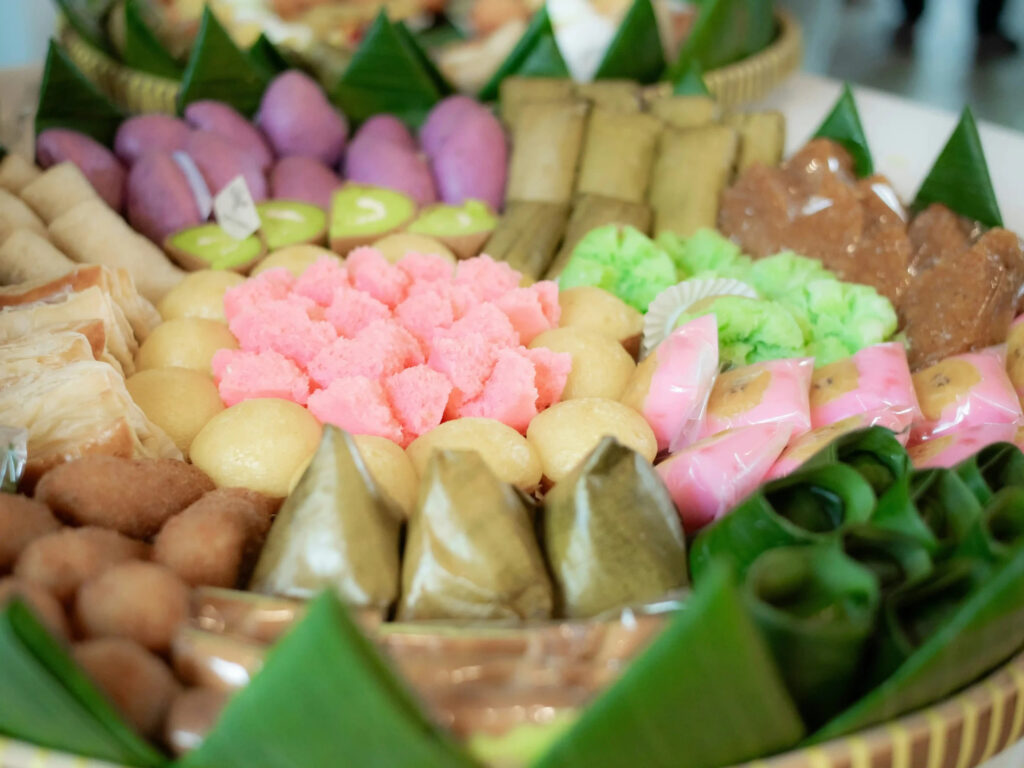
- Combine with local experiences: After visiting the church, spend time at local markets to try native delicacies and engage with residents.
- Travel light and responsibly: Support local businesses, avoid littering, and respect the traditions of the community.
Conclusion
The Church of St. Joseph the Worker in Victorias City is one of the most unusual and inspiring religious landmarks in the Philippines. With its striking “Angry Christ” mural, it challenges traditional artistic norms while affirming the enduring faith of its community. More than a piece of art, it is a living parish where daily life, devotion, and culture come together.
For travelers to Negros, a visit to this church is an opportunity to witness a unique intersection of history, spirituality, and creativity. It is a reminder that faith can be expressed not only in solemn rituals but also in bold strokes of color and imagination.
Subscribe to our newsletter and get weekly updates on our blogs!