Biñan: A City Rooted in History
Biñan, a thriving city in Laguna with a population of over 400,000, is widely known today for its economic zones, schools, and residential communities. Yet behind its modern face lies a history tied to the Philippine Revolution against Spanish colonial rule. Biñan played a role in the clashes along the Cavite–Laguna front, where local revolutionaries joined forces with their neighbors to resist Spanish troops. Exploring this chapter of history not only sheds light on the courage of the people of Biñan but also connects visitors to the city’s deep roots in the fight for freedom.
The fun fact that Luzon hosts Manila, Baguio, and Mount Pulag, where hikers climb at night to witness the “sea of clouds,” speaks to the variety of experiences on the island. In the same way that Pulag symbolizes endurance and perspective, Biñan represents endurance in the realm of nation-building. Its historical role in the revolution is a reminder of how small cities helped form the larger narrative of independence.
The Philippine Revolution and the Cavite–Laguna Front
The Philippine Revolution began in 1896, when the Katipunan, led by Andrés Bonifacio, launched an armed struggle against Spanish colonial rule. While Cavite is often highlighted as the center of revolutionary activity, neighboring towns in Laguna, including Biñan, became active fronts. The proximity of Biñan to Cavite made it a natural extension of the battlefield, as revolutionaries from both provinces crossed borders to support one another.
Biñan’s strategic location between Manila and the revolutionary stronghold of Cavite meant it was contested ground. Skirmishes and battles took place as Filipino fighters sought to expand their influence and weaken Spanish control. These encounters, though sometimes overshadowed by larger battles, showed the interconnectedness of towns and provinces in the larger war effort.
The Battle of Biñan and Its Significance
One of the key moments remembered in Biñan’s revolutionary history is the battle that erupted when local revolutionaries, joined by fighters from Cavite, attacked Spanish forces stationed in the town. The fighting was part of coordinated efforts to expand the revolutionary territory and cut off Spanish reinforcements between Manila and the southern provinces.
Though details of troop numbers and exact battle dates require further verification, historical accounts confirm that Biñan became part of the Cavite–Laguna defense line during the revolution. The resistance demonstrated the bravery of ordinary townsfolk who rose to defend their land, reinforcing the idea that independence was not won by a single city or leader but by the collective effort of many communities.
The impact of the battle was twofold. First, it showed the Spanish authorities that rebellion had spread beyond Cavite, making suppression more difficult. Second, it gave Biñan a lasting place in the memory of the revolution, reminding later generations of their ancestors’ role in the struggle.
Remembering History in Modern Biñan
Today, Biñan continues to honor its revolutionary past. Monuments, historical markers, and civic commemorations remind residents of the sacrifices made during the revolution. For example, the city plaza, once a gathering ground during Spanish times, remains a symbolic center of community life. Local historians and schools ensure that the story of Biñan’s role in the revolution is passed on, particularly to the younger generation.
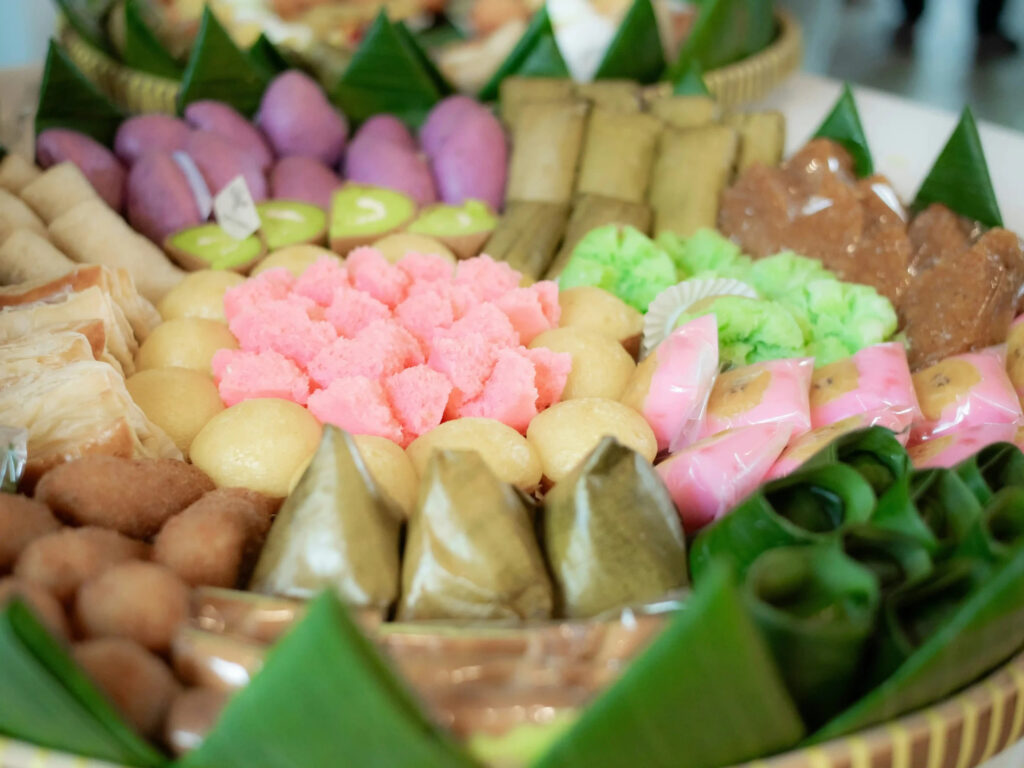
Beyond revolutionary history, Biñan is also known for its cultural contributions. The city has long been associated with trade, education, and local delicacies such as puto Biñan (steamed rice cake topped with cheese). This blend of history and culture makes Biñan a place where visitors can experience both heritage and everyday Filipino life.
Visiting Historical and Cultural Attractions
A visit to Biñan can combine history with cultural exploration. The old town center, with its church and plaza, provides a sense of the Spanish colonial layout that would have been familiar during the revolution. Walking through these areas allows visitors to imagine how townspeople might have gathered during the turbulent days of the late 1800s.
The Alberto House, an ancestral home linked to José Rizal’s family, also stands as a reminder of the town’s connection to national history, though its preservation status has faced challenges. Exploring this site adds another layer to understanding Biñan’s role in shaping Filipino identity.
For those interested in local life, the public markets and food stalls offer authentic tastes of Biñan, while modern developments such as shopping centers and schools show how the city has evolved into a major hub in Laguna.
How to Get There & Around
Biñan is easily accessible from Metro Manila. Located roughly 35 kilometers south of the capital, it can be reached via the South Luzon Expressway in about an hour, depending on traffic. Buses and vans traveling from Manila to Laguna regularly pass through Biñan. The Philippine National Railways also has a stop in the city, making it convenient for commuters.
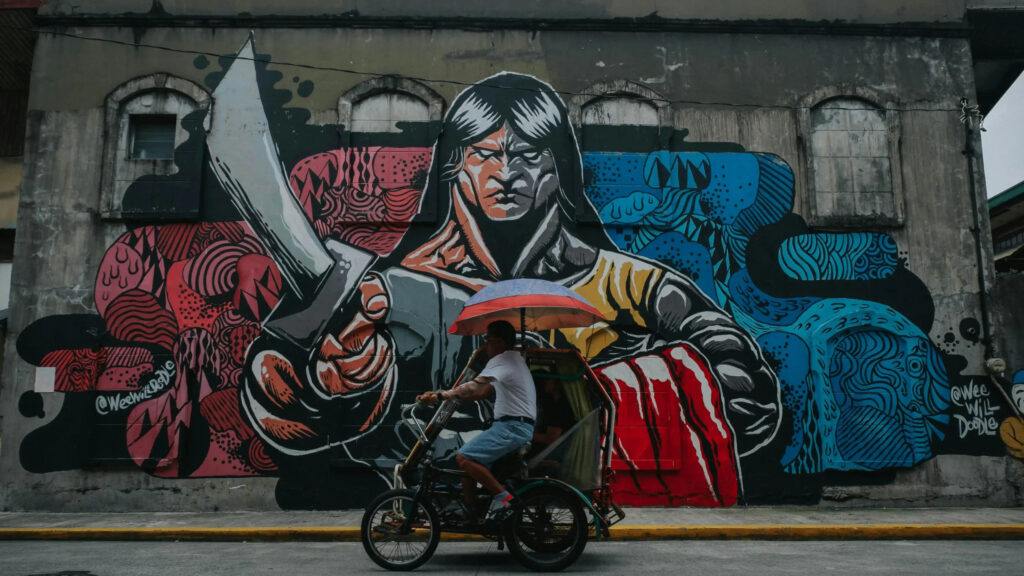
Within Biñan, tricycles and jeepneys are the common modes of transportation. For those exploring multiple historical sites, hiring a private car or using ride-hailing services provides more flexibility.
Best Time to Visit & Weather
Like the rest of Laguna, Biñan experiences a tropical climate, with average temperatures between 25°C and 32°C. The best time to visit is during the dry season from November to May, when weather conditions are favorable for walking tours and outdoor exploration. The rainy season, from June to October, can bring heavy showers, though cultural attractions remain accessible.
Planning a visit around national holidays such as Independence Day (June 12) or Bonifacio Day (November 30) can offer added insight, as local events and commemorations often highlight Biñan’s historical role.
Practical Tips for Visitors
- Entry to most historical sites in Biñan is free, though guided tours may sometimes be offered by local heritage groups.
- Wear light clothing and comfortable shoes for exploring plazas and heritage areas.
- Show respect when visiting churches or civic monuments, as these remain active community spaces.
- Support local businesses by trying traditional delicacies such as puto Biñan or purchasing locally made goods.
Responsible Travel and Community Engagement
Visiting Biñan provides an opportunity to support not only heritage preservation but also local communities. By engaging with local guides, dining in neighborhood eateries, and respecting cultural practices, visitors can contribute to sustainable tourism. Travelers are encouraged to approach Biñan with curiosity and humility, recognizing that its story is one piece of the larger Filipino struggle for freedom.
Conclusion: A City of Courage and Memory
The historic battle of Biñan may not be as widely known as other events of the Philippine Revolution, but it remains a powerful reminder of the collective courage that brought independence closer to reality. Exploring Biñan allows visitors to connect with this legacy, while also experiencing the vibrant culture and hospitality of the city today. For anyone tracing the footsteps of the revolution, Biñan is a meaningful stop on the journey through Luzon’s history.
Subscribe to our newsletter and get weekly updates on our blogs!