Introduction
Toledo City, located on the western coast of Cebu Island, has a population of 207,160 and is widely recognized as the Mining Capital of Cebu. While Cebu is celebrated as the birthplace of Christianity in the Philippines, Toledo stands out for its industrial and economic contributions, particularly in copper mining. The city combines a rich mining heritage, coastal landscapes, and a developing urban community, making it an intriguing destination for travelers interested in history, industry, and local culture.
Historical Background: Mining Roots
The history of Toledo City is deeply tied to its mining industry. Copper extraction began in the early 20th century, shaping the city’s economy and providing employment for generations of residents. The mining operations attracted workers from various parts of Cebu and neighboring provinces, contributing to the city’s growth and urbanization.
The Toledo Mining Corporation and other smaller operations have maintained the city’s reputation as a leading producer of copper and related products. Mining has influenced the city’s identity, infrastructure, and lifestyle, and it remains a central part of Toledo’s economy today.
Economic Significance and Industry
Toledo’s economy is heavily reliant on mining, but the city has diversified over time. Alongside copper production, the city hosts local businesses, small-scale manufacturing, and coastal trade activities. Its port facilities enable the transport of raw materials and finished products, connecting Toledo to Cebu City and international markets.
The mining industry has also influenced community development, with companies investing in roads, schools, and health services. This industrial growth, combined with public infrastructure projects, has transformed Toledo into a modern urban hub while retaining its mining character.
Culture and Community Life
Toledo City maintains a vibrant community life that blends tradition with modernity. Religious and cultural events play a central role, with churches such as St. John the Baptist Parish hosting annual fiestas, processions, and community gatherings.
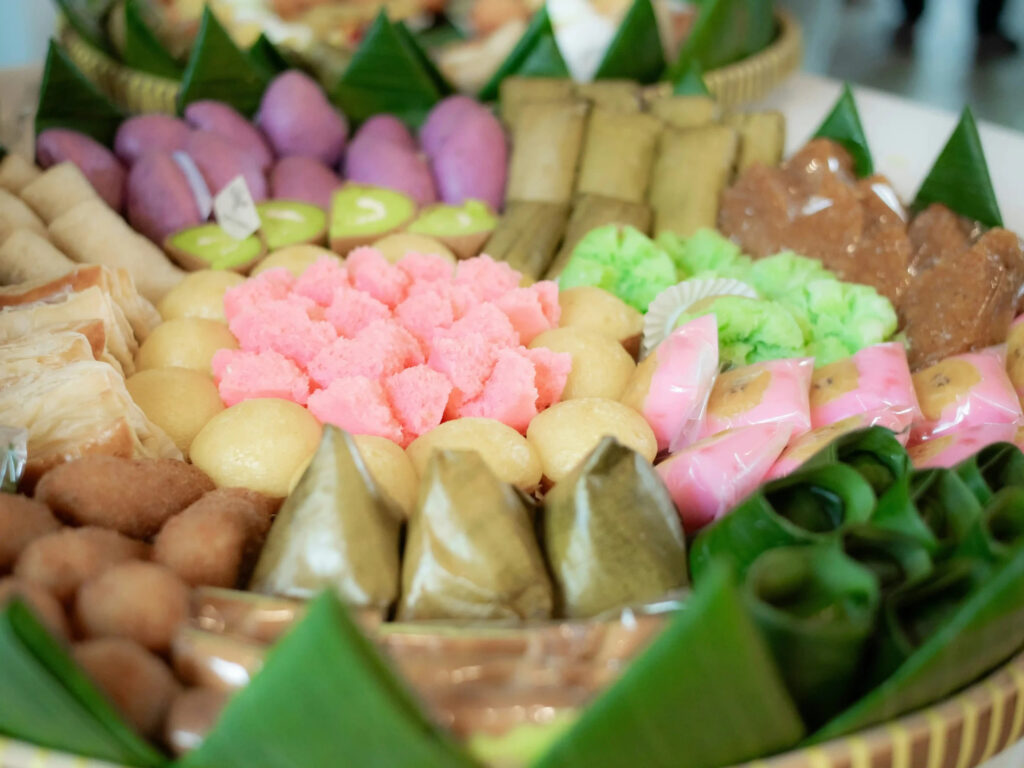
Local markets and eateries reflect the everyday life of the residents. Visitors can enjoy Cebuano dishes like lechon, grilled seafood, and tropical fruits, with meals typically priced between ₱100 and ₱250. The coastal location supports fishing communities, adding another layer to Toledo’s cultural and economic landscape.
Attractions and Experiences
Although primarily industrial, Toledo offers attractions for visitors seeking a mix of history, culture, and nature:
- Mining Heritage Sites: Some mining facilities and visitor centers provide educational insights into copper extraction and industrial history.
- Coastal Areas and Beaches: Quiet coastal spots allow for relaxation, photography, and observation of local fishing activities.
- Public Parks and Plazas: Community spaces provide leisure areas and venues for local festivals and gatherings.
- Local Markets and Shops: Fresh seafood, tropical fruits, and handmade crafts reflect the daily life and economic activity of the city.
These attractions allow travelers to combine industrial heritage with cultural and coastal experiences.
How to Get There and Around
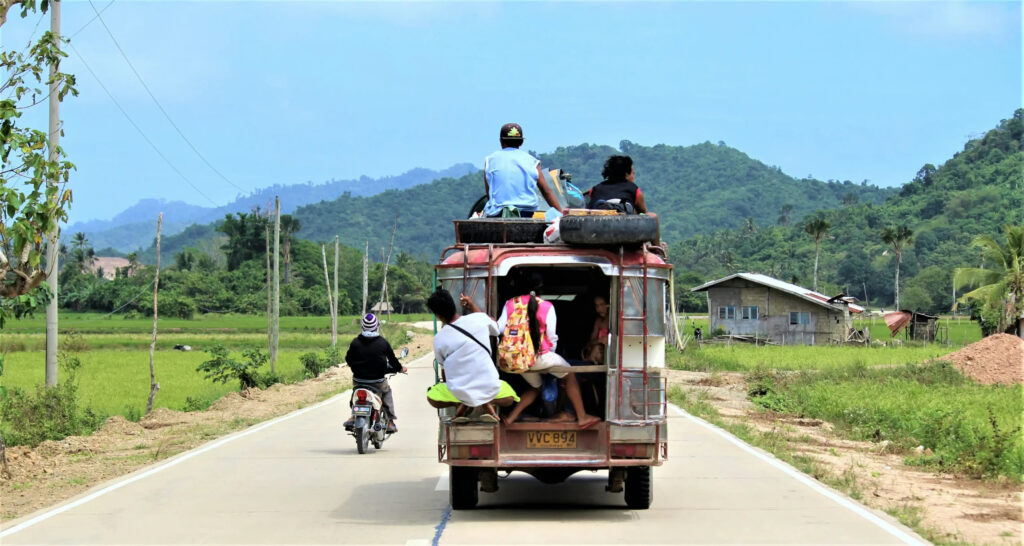
Toledo City is approximately 74 kilometers west of Cebu City. Travel by private car or taxi takes about two hours depending on traffic, with fares ranging from ₱1,500 to ₱2,000. Public buses and vans leave from Cebu City’s South Bus Terminal, with fares around ₱150–₱200 per person and travel times averaging two to three hours.
Within Toledo, tricycles and habal-habal (motorbike taxis) are the most common transportation options for short distances. Walking is feasible in the city center and around public plazas, allowing visitors to explore at a relaxed pace.
Best Time to Visit and Weather
Toledo experiences tropical weather, with temperatures ranging from 26°C to 32°C. The dry season, from December to May, is ideal for sightseeing, exploring coastal areas, and attending local festivals. The rainy season, from June to November, may bring intermittent showers, but most urban areas and indoor attractions remain accessible. Early mornings and late afternoons provide the best conditions for exploring both mining heritage sites and natural landscapes.
Responsible Travel
Visitors should respect industrial areas, local customs, and environmental guidelines. Avoid trespassing in mining operations, support local businesses and eateries, and minimize waste. Responsible tourism helps preserve Toledo City’s cultural and economic heritage while promoting sustainable development.
Conclusion
Toledo City embodies the blend of industrial strength, coastal charm, and community spirit. Its identity as the Mining Capital of Cebu reflects decades of economic growth and skilled labor, while its cultural traditions, local markets, and scenic coastline provide a balanced experience for visitors. For travelers interested in history, industry, and Cebuano culture, Toledo City offers a unique perspective on the development and resilience of communities in the Visayas.
Subscribe to our newsletter and get weekly updates on our blogs!